Thinking 21st century art in the world from Niigata
Echigo-Tsumari Art Field - Official Web Magazine
Staff / Behind the Scenes in Echigo-Tsumari
The "Echigo-Tsumari Art Triennale 2018" commemorative publication is now on sale.
25 May 2020
This is the exhibition catalog for the 7th exhibition, now on sale. As I turn the pages, I find myself thinking, “Has it really been over a year since then?” and recalling that hot summer—the smell of the earth on a morning when a blessed rain fell, and the sensation of finally reaching an artwork, drenched in sweat. At the same time, as we announce the details of the 2021 open call, I have mixed feelings—wondering if those hectic days will begin all over again… Nevertheless, this has become a volume I can confidently present to you.
It has been 20 years since the project began in Echigo-Tsumari
In 1996, the term “contemporary art”—even more unfamiliar to people who hadn’t used the word “art” since their middle school classes—entered the local lexicon. Although the festival somehow managed to hold its first exhibition in 2000, local residents recall, “Back then, it wasn’t a matter of opposition or anything—we simply had no idea how to react to something so mysterious.” Today, however, they happily welcome visitors and explain the artworks to them.This book traces the history of how the art festival itself and its surrounding environment have changed over the past 20 years, and what the 2018 festival was like.
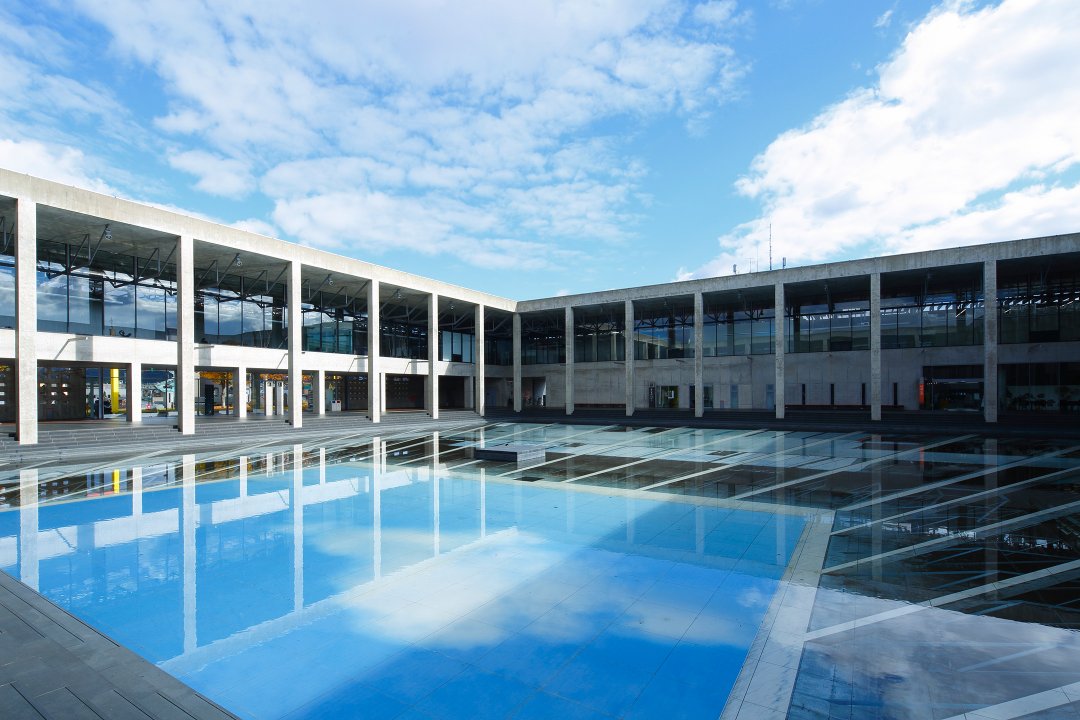
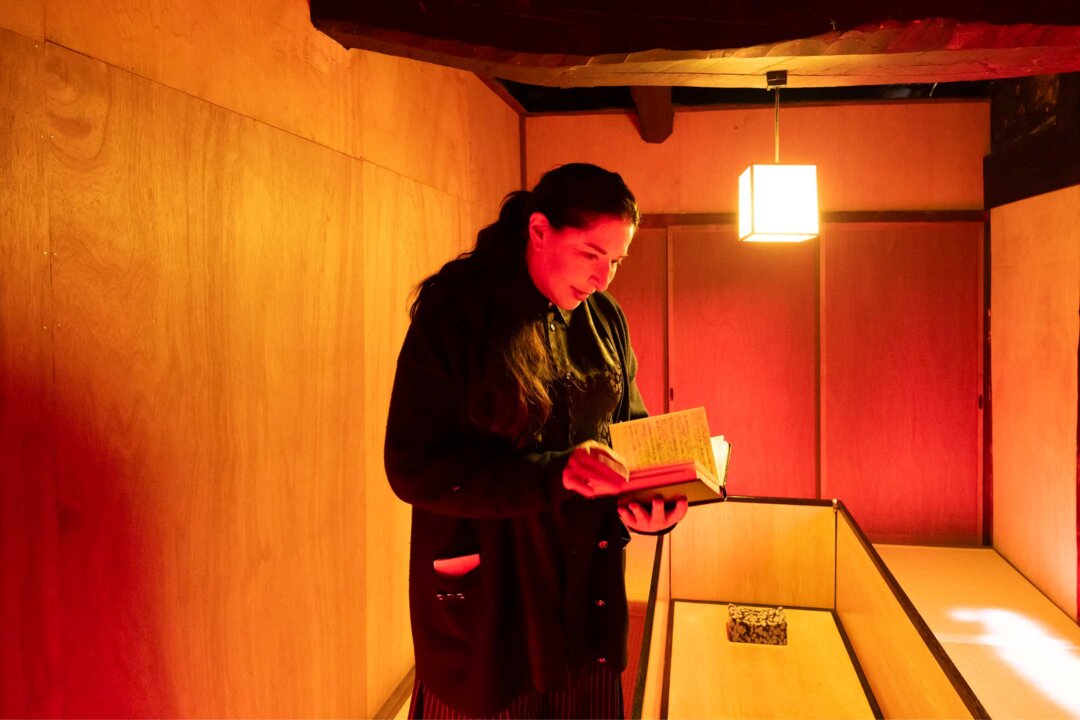
In the opening message from General Director Kitagawa Fram, the history of the art festival is detailed alongside a retrospective of the 7th edition; reading this alone should provide a good understanding of the festival.I also highly recommend reading the essay by architect Hiroshi Hara—who served as a juror for the Special Exhibitions and designed Kinare—regarding the Special Exhibition “2018 *Hōjōki Private Chronicles*” at Kinare and Leandro Erlich’s “Palimpsest : pond of sky,” which was installed in the pond.
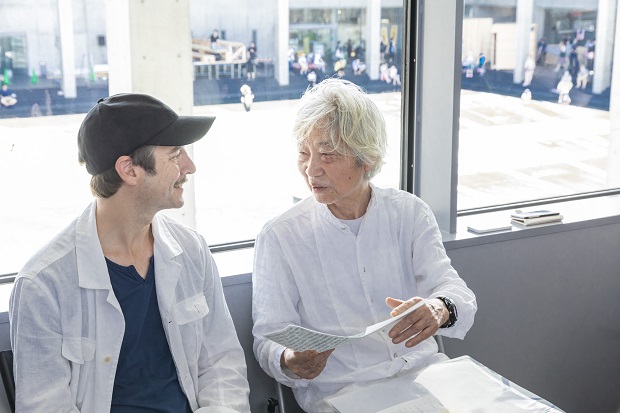
Leandro and Professor Hara being interviewed at Kinare (Photo by Osamu NAKAMURA)
The columns scattered throughout this publication introduce projects born out of the art festival and the people involved. For example, Matsunoyama Elementary School—which faces the threat of closure due to the declining birthrate—has been implementing a collaborative program with the art festival for several years, and in 2018, it launched the “Matsunoyama Open Campus.” We feature columns detailing the inspiration behind this initiative, as well as a column by Kohebi from Taiwan, who stayed for an extended period during the 7th exhibition, which saw an increase in international supporters.
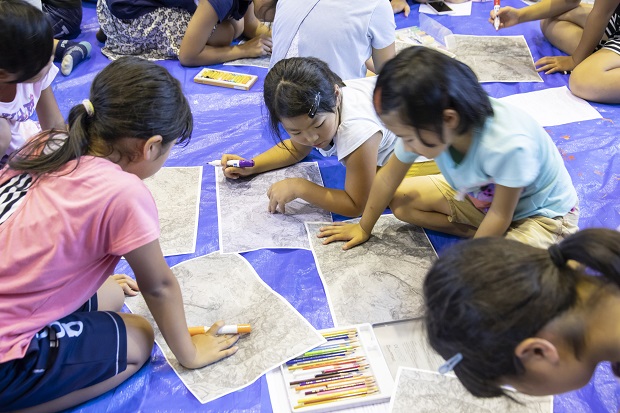
Matsunoyama Open Campus (Photo by Osamu Nakamura)
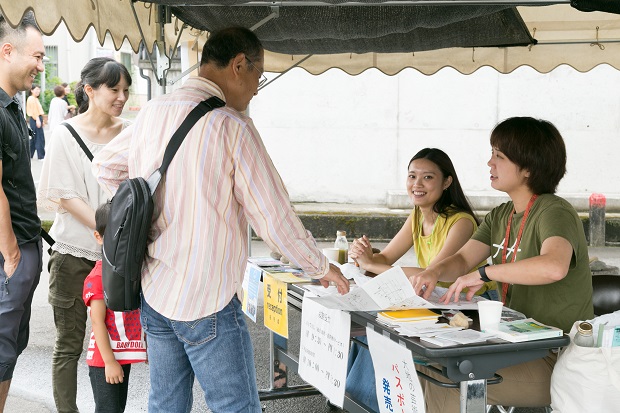
Kohibi Abroad in Action (Photo by Ayumi Yanagi)
In the second half, we’ve included messages from people who have supported the art festival for many years, asking them to share their candid thoughts—including some harsh words—about the festival. As someone who wasn’t around back in 2000, I found much of this surprising; the content also made me realize just how deeply the festival’s concept has taken root in the community and how determined the organizers are regarding its future prospects.Kohei Takashima, an official supporter and leader at the forefront of the IT industry, pointed out the need to establish a business model, the importance of the festival’s legacy after the Triennale, and the fact that we have entered a phase where diverse people—rather than a single dominant group—are becoming involved. Mr. Takashima, who is also involved in our year-round initiatives, highlighted an issue that has remained a major challenge for many years.
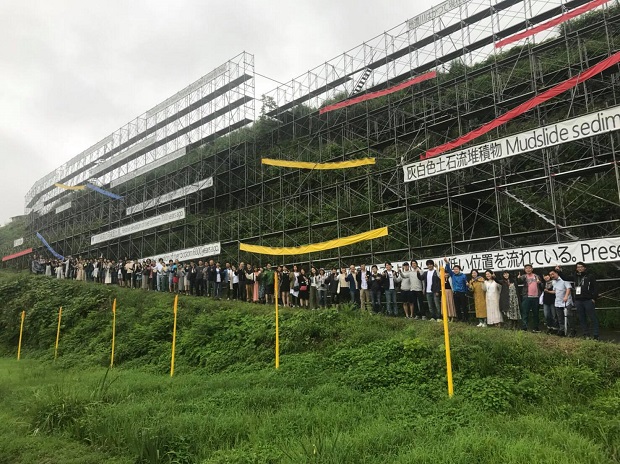
The “100-Person Tour,” Led by Official Supporters
Preparing for 2021 as Things Get Serious
Preparations for our next exhibition, scheduled for the summer of 2021, will begin in earnest this summer. Whether I’m on a day off or working on other tasks, I can’t help but feel a constant sense of anxiety and urgency about 2021 lingering in the back of my mind, making it hard to relax. Still, whenever I open this collection of records, I’m reminded of the joy of the art festival itself—rather than the hardships we’ve faced—and my anticipation for what’s to come swells. It’s truly become a book that does just that.
Last but not least, the members of the Contemporary Planning Office who were in charge of editing this volume are, in fact, veterans who have participated as members of the “Kohebi Corps” or staff members since the very first festival in 2000. They are indispensable to looking back on these past 20 years, and it is thanks to their editorial work that this volume turned out so rich and fulfilling.
Thank you very much indeed.
Information
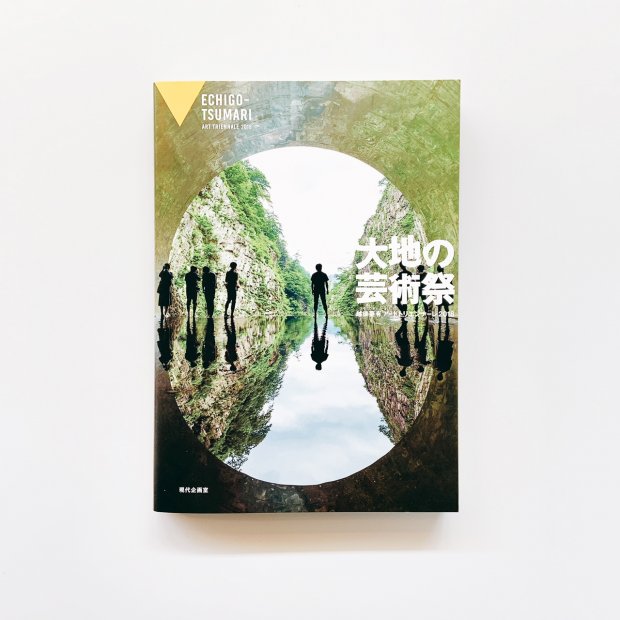
Echigo-Tsumari Art Triennale 2018: A Collection of Records
Languages: Japanese and English; some sections are in Japanese only
Format: B5 size
Number of pages: 247 pages
Publisher: Gendai Kikaku-shitsu

Articles

Latest Articles

Stay connected with the ETAT official social media to receive the latest news and event information, and the many seasonal faces of Echigo-Tsumari as well as new issue of the ETAT official media, “Art from the Land”.