Thinking 21st century art in the world from Niigata
Echigo-Tsumari Art Field - Official Web Magazine
Staff / Behind the Scenes in Echigo-Tsumari
Matsudai The Rice Fields Bank & Nōbutai: Connecting Cities and Regions
30 September 2025
—Matsudai NOHBUTAI—
Working while enjoying the changing scenery of the four seasons
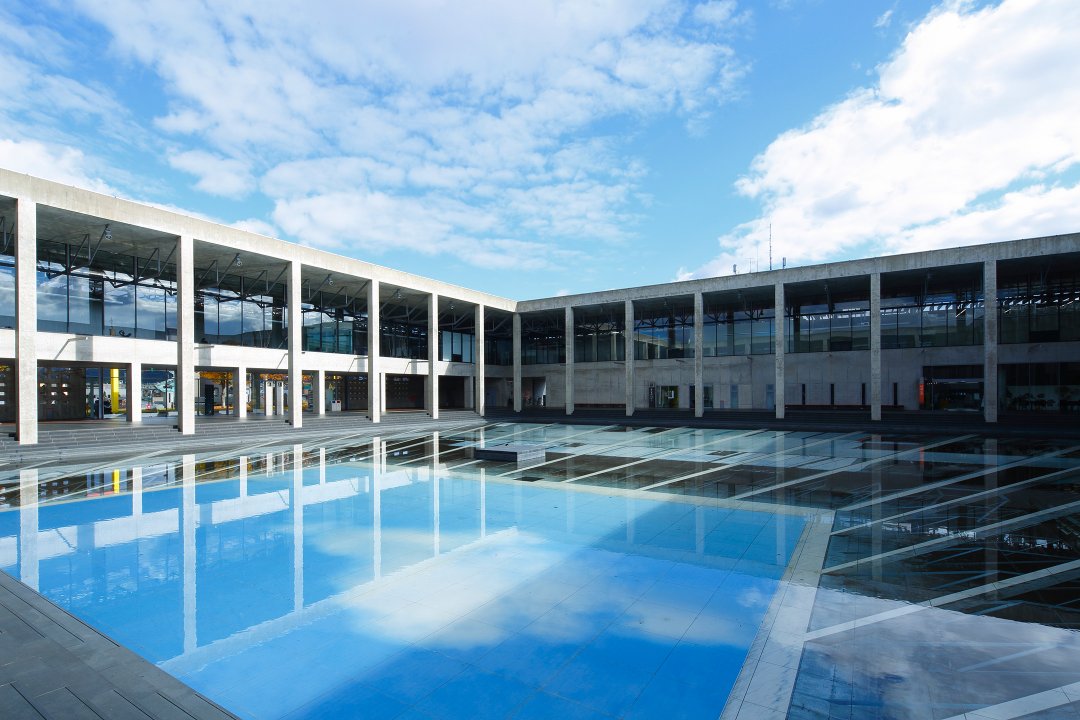
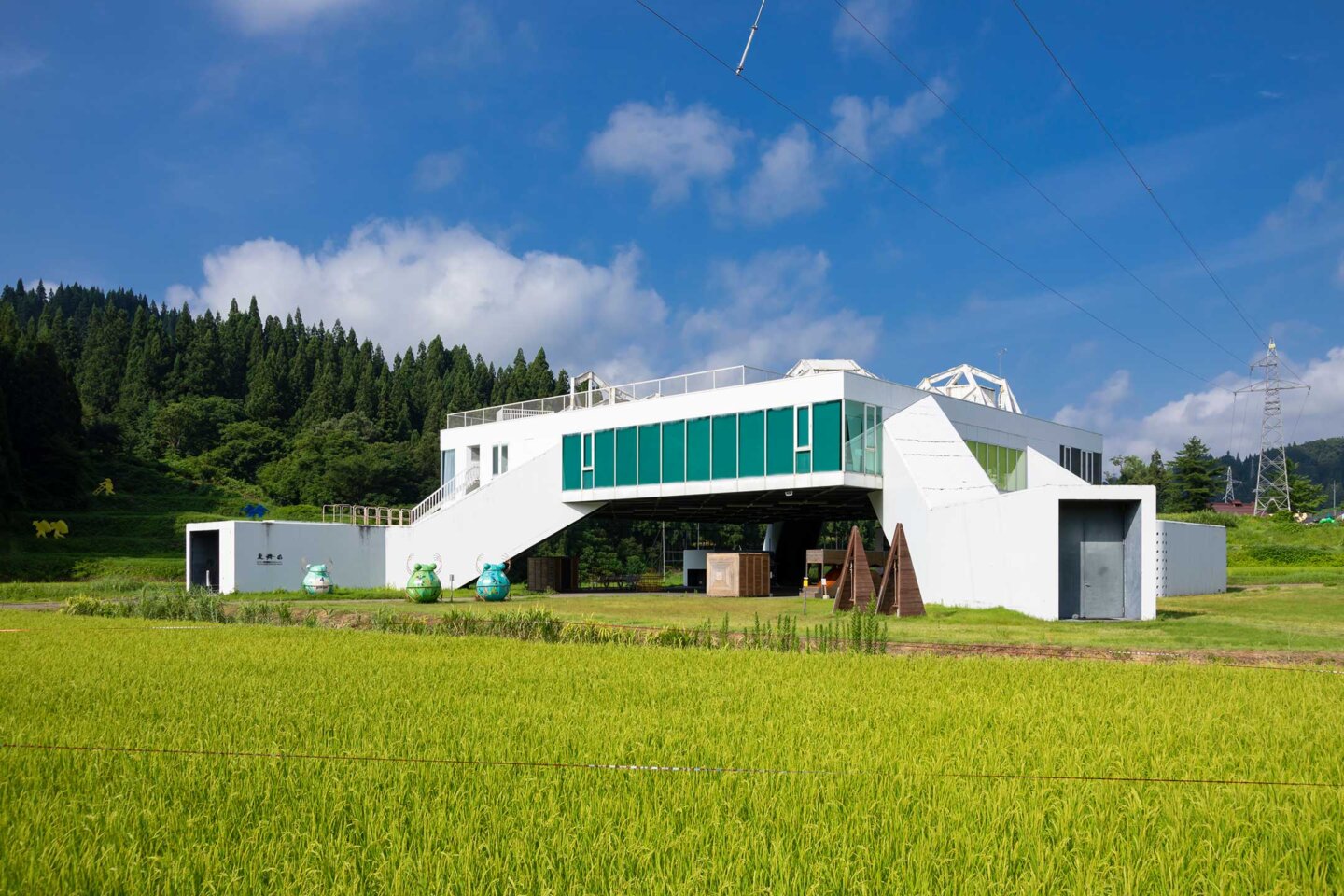
Located in the Matsudai area of Tokamachi City, “Matsudai NOHBUTAI” is one of the hub facilities for the Echigo-Tsumari Art Field, featuring several artworks including its signature piece, “The Rice Fields” (by Ilya&Emilia Kabakov). As the name suggests—a “stage for agriculture”—I believe it is a truly unique facility where visitors can experience not only the artworks but also the lifestyle and the very pulse of the local community as they live alongside agriculture.
Approximately 40 artworks are scattered throughout the 2-kilometer stretch of satoyama landscape from “Matsudai NOHBUTAI” to Matsudai Castle at the mountaintop, and this entire area is known as the “Matsudai NOHBUTAI Field Museum.”
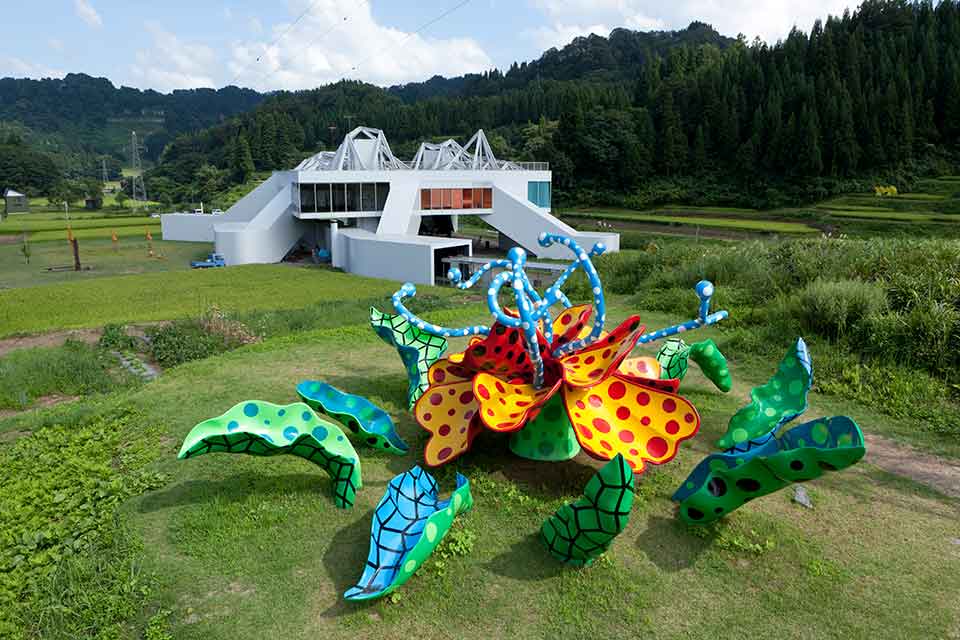
MVRDV, “Matsudai NOHBUTAI” / Kusama Yayoi, “Tsumari in Bloom” Photo by Nakamura Osamu
And, above all, the scenery in this region is truly refreshing. In spring, as the snow melts, the frogs begin to croak and rice planting begins; in summer, lush greenery flourishes, creating a beautiful contrast against the blue sky; in fall, golden rice ears spread across the Rice Fields like a carpet, the rice harvest begins, and the autumn foliage follows soon after; and in winter, the entire area is enveloped in a silvery-white world, and a profound silence descends.
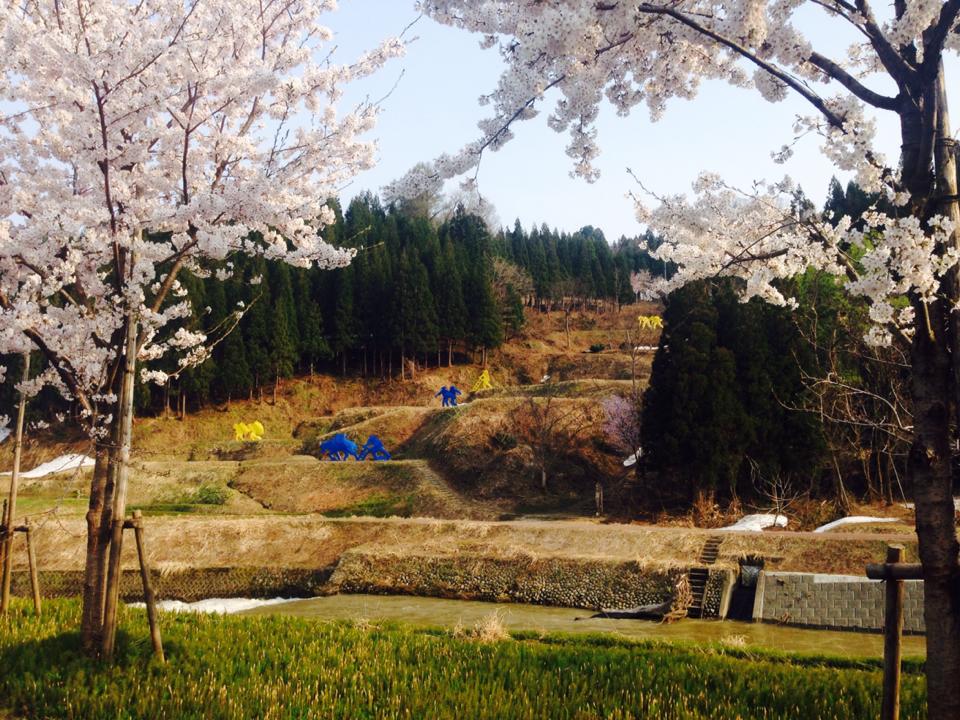
Spring (Ilya&Emilia Kabakov, “The Rice Fields”)
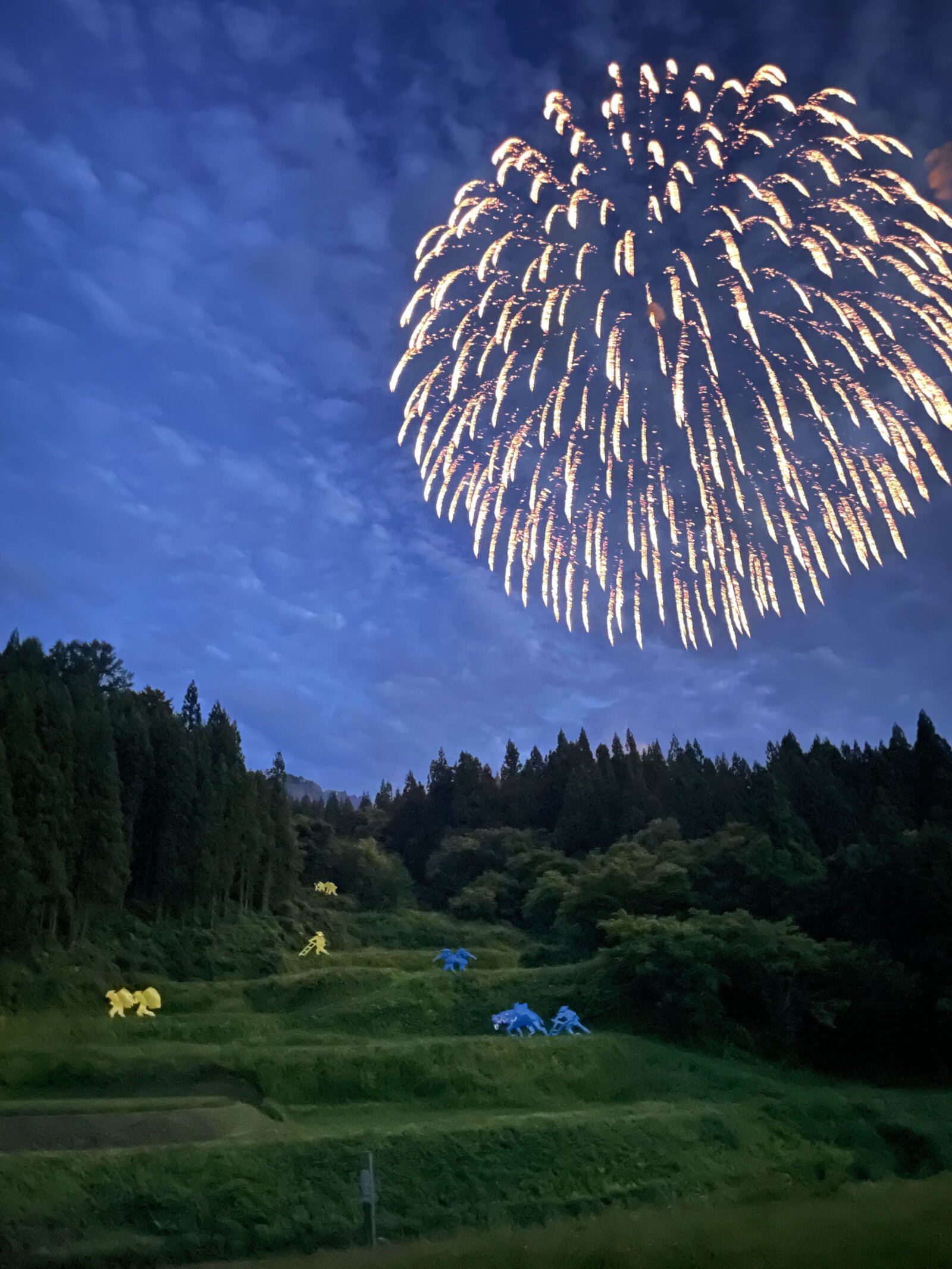
Summer (Ilya&Emilia Kabakov, “The Rice Fields”)
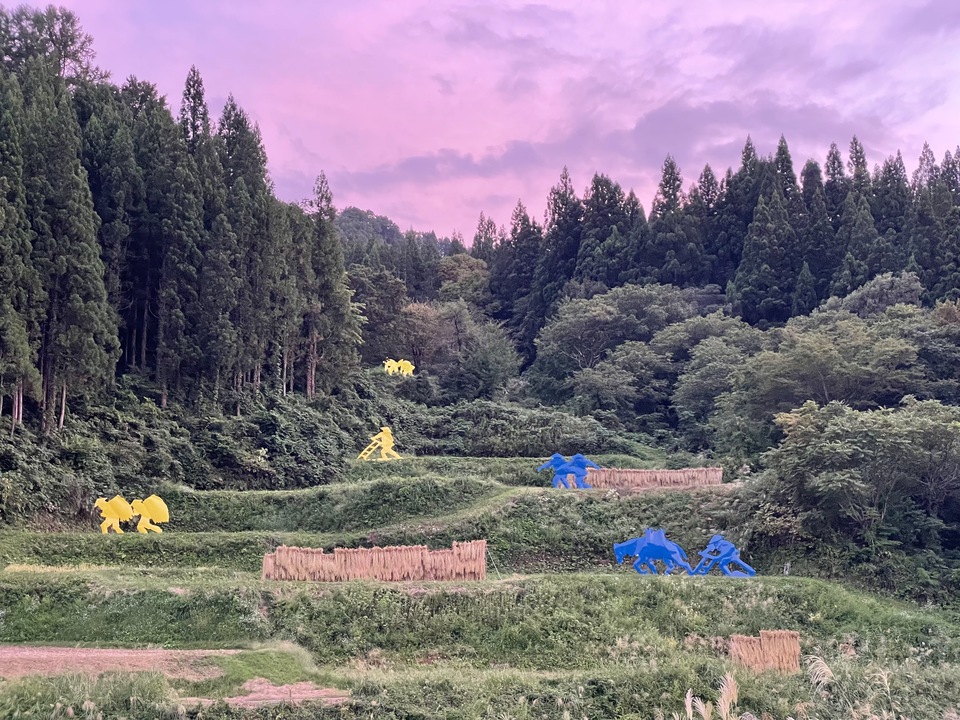
Autumn Twilight (Ilya&Emilia Kabakov, “The Rice Fields”)
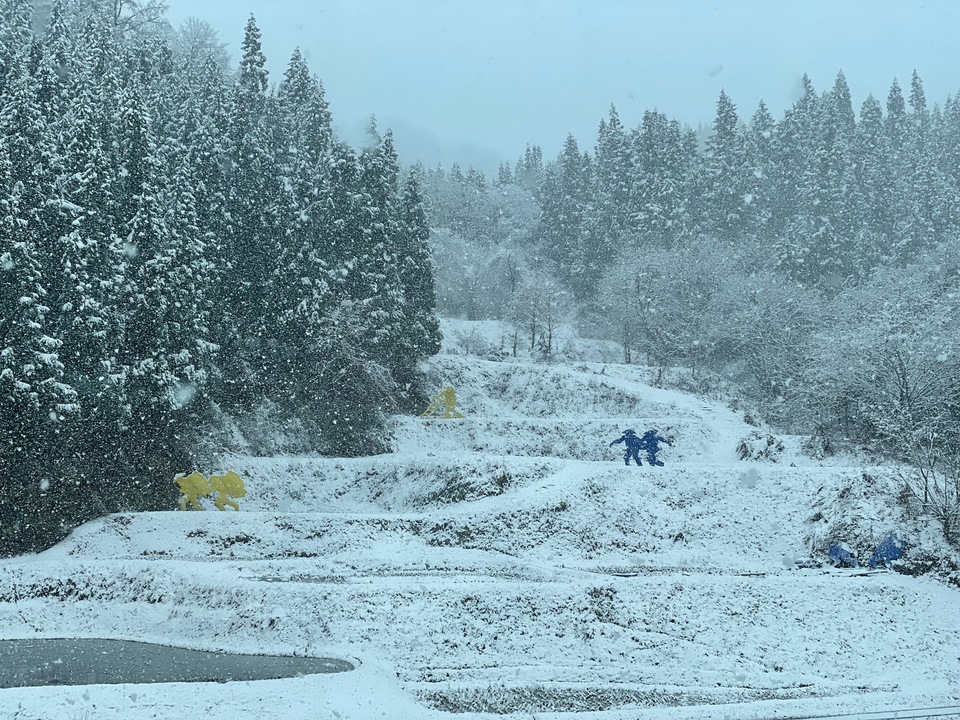
Winter (Ilya&Emilia Kabakov, “The Rice Fields”)
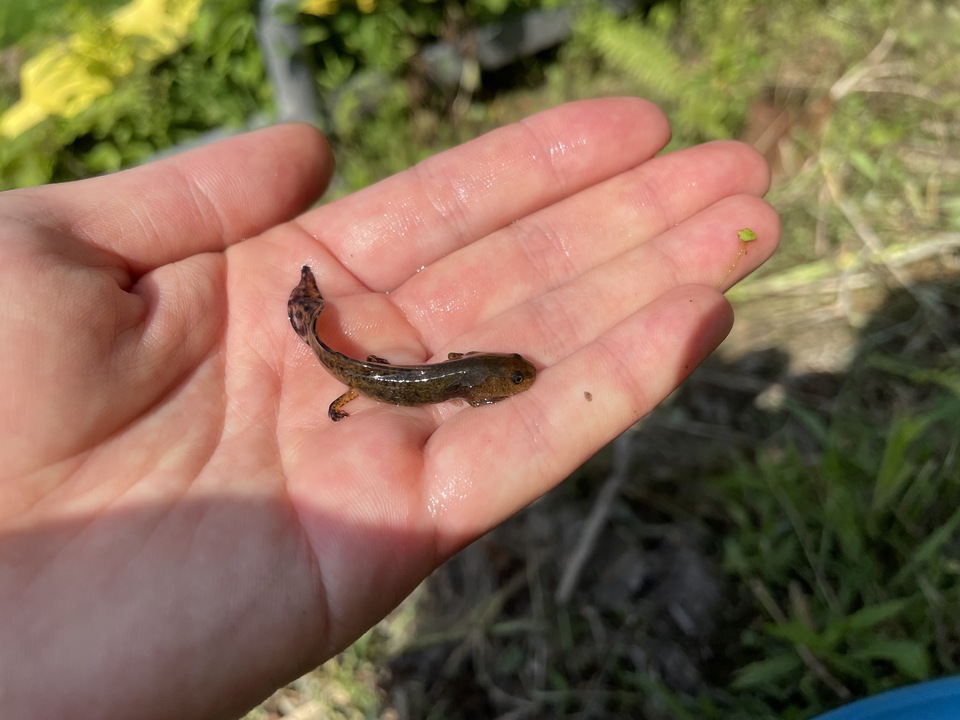
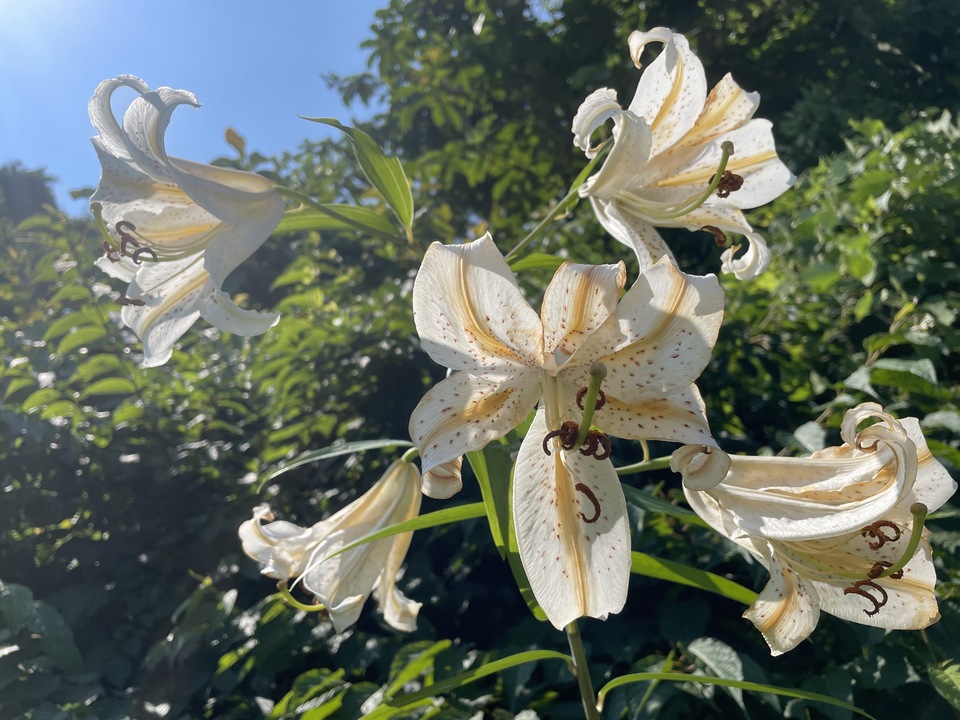
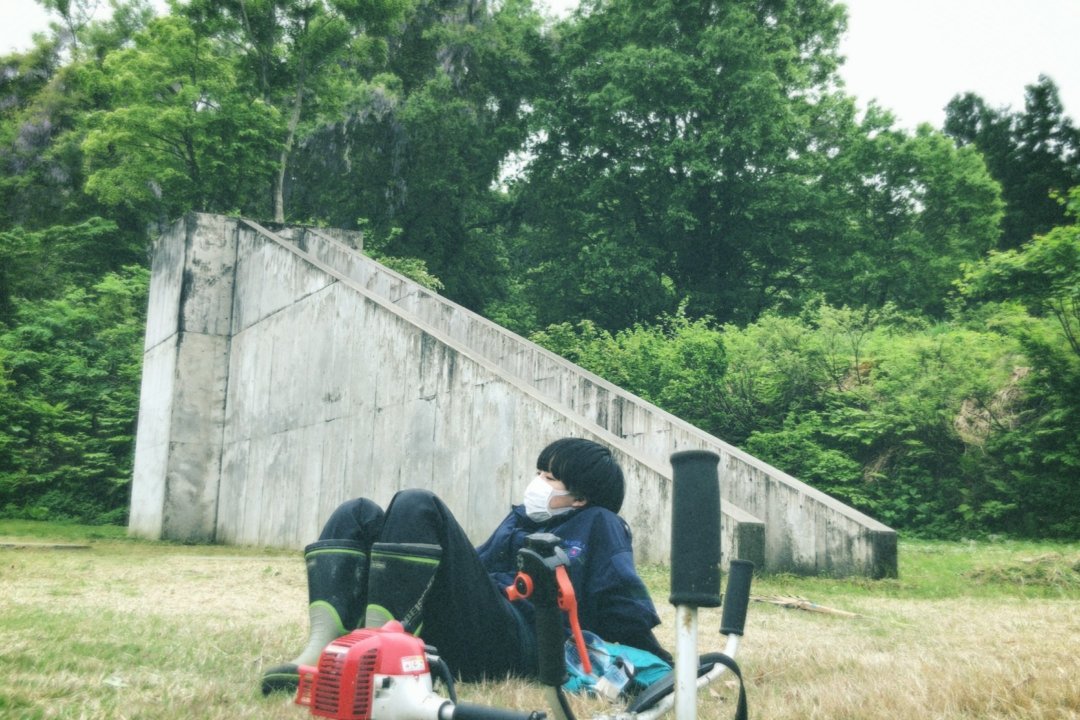
It’s truly enjoyable—and it brings me a sense of peace—to be able to manage this satoyama, which reveals different facets throughout the seasons, alongside the facility. Since the artwork is set in nature, we have to frequently maintain the paths, mow the grass, and clean the pieces, and I find the maintenance—including taking precautions against bees and bears—to be quite challenging. Yet, the healing power of nature more than makes up for it.
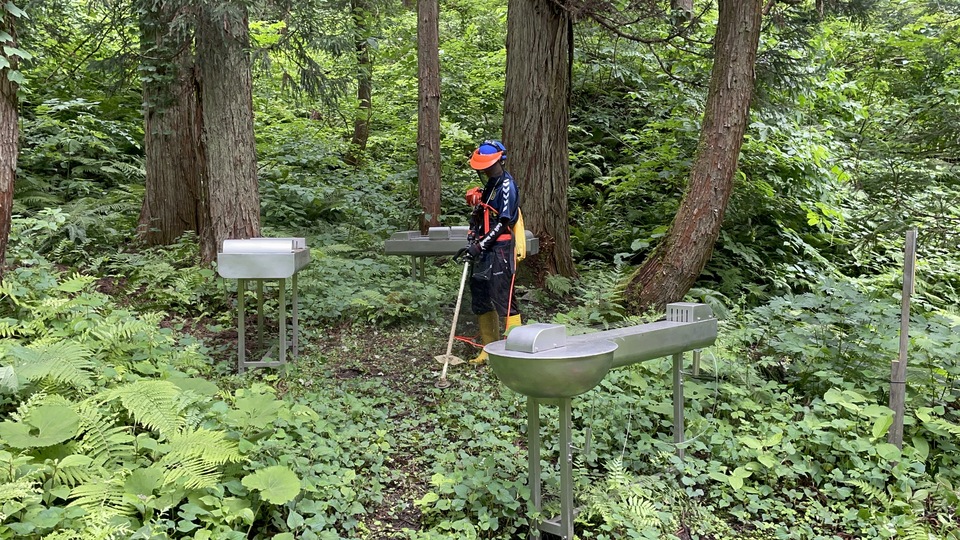
Maintenance in Progress
Human warmth is universal
In addition to the day-to-day operation and management of the facility, our operations team works to ensure that visitors can safely and enjoyably explore the Field Museum—through trial and error—and organizes events that offer unique experiences you can only find here. To help visitors from around the world enjoy the scenery and create lasting memories, we actively assist them by taking photos and providing guidance. Since the local community works together to overcome challenges like farming and heavy snowfall, I feel our service to visitors should reflect that spirit.We greet everyone in a friendly manner and do our very best to serve them. We interacted with international visitors in the same way, using gestures and a few words. Working here, I realized that even when language is a barrier, human warmth still comes through. I strive to learn from this example every day.

Photo by Nakamura Osamu
—Matsudai The Rice Fields Banku—
As a Steward of the Rice Fields
One of the projects undertaken by the Echigo-Tsumari Art Field is the “Matsudai Terraced Rice Fields Bank.”
Matsudai is a region home to some of Japan’s most renowned Rice Fields, including the “Hoshitoge Rice Fields.” I still remember the first time I saw the Hoshitoge Rice Fields—I was moved not only by the magnificent scenery, but also by the birdsong, the sound of the wind blowing through the Rice Fields, and the fresh air that made me take deep breaths over and over again.
I learned that even such beautiful The Rice Fields can quickly fall into disrepair if left untended.
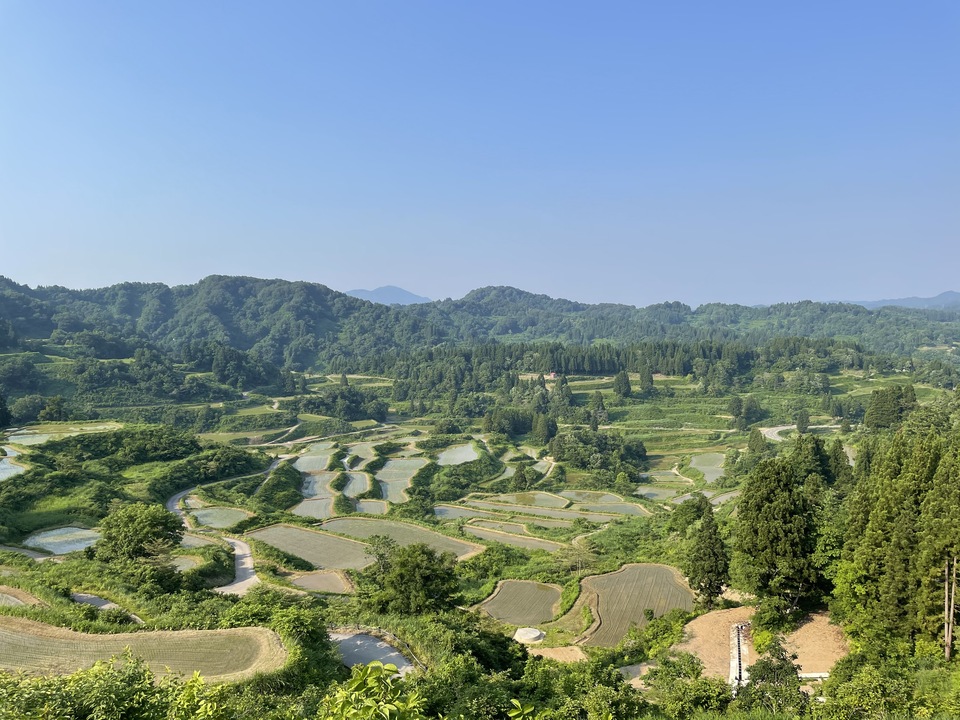
The Rice Fields at Hoshitoge (Spring)
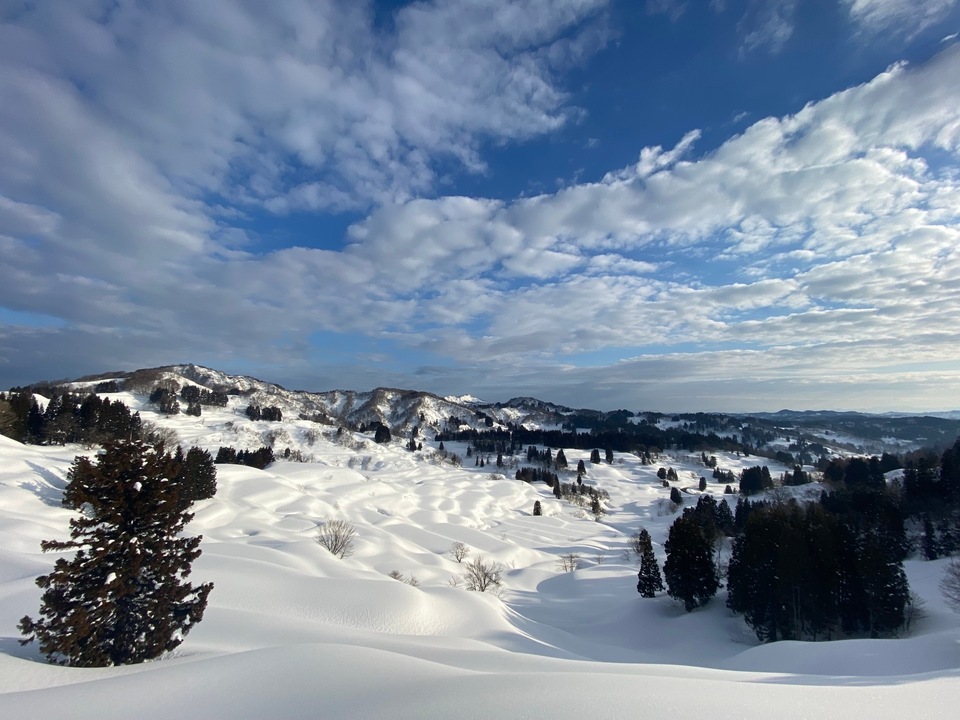
The Rice Fields at Hoshitoge (Winter)
We are taking over and cultivating as many abandoned rice fields as possible, while leveraging the network we’ve built through the art festival to expand exchanges between urban and rural areas in collaboration with a diverse range of people, including members of the Rice Field Bank, local residents, artists, businesses, and students. Although the number of abandoned farmlands is increasing year by year due to the region’s aging population, we hope to continue making the most of this region’s unique characteristics and community to raise awareness and inspire even a few more people to take an interest in agriculture through these activities.
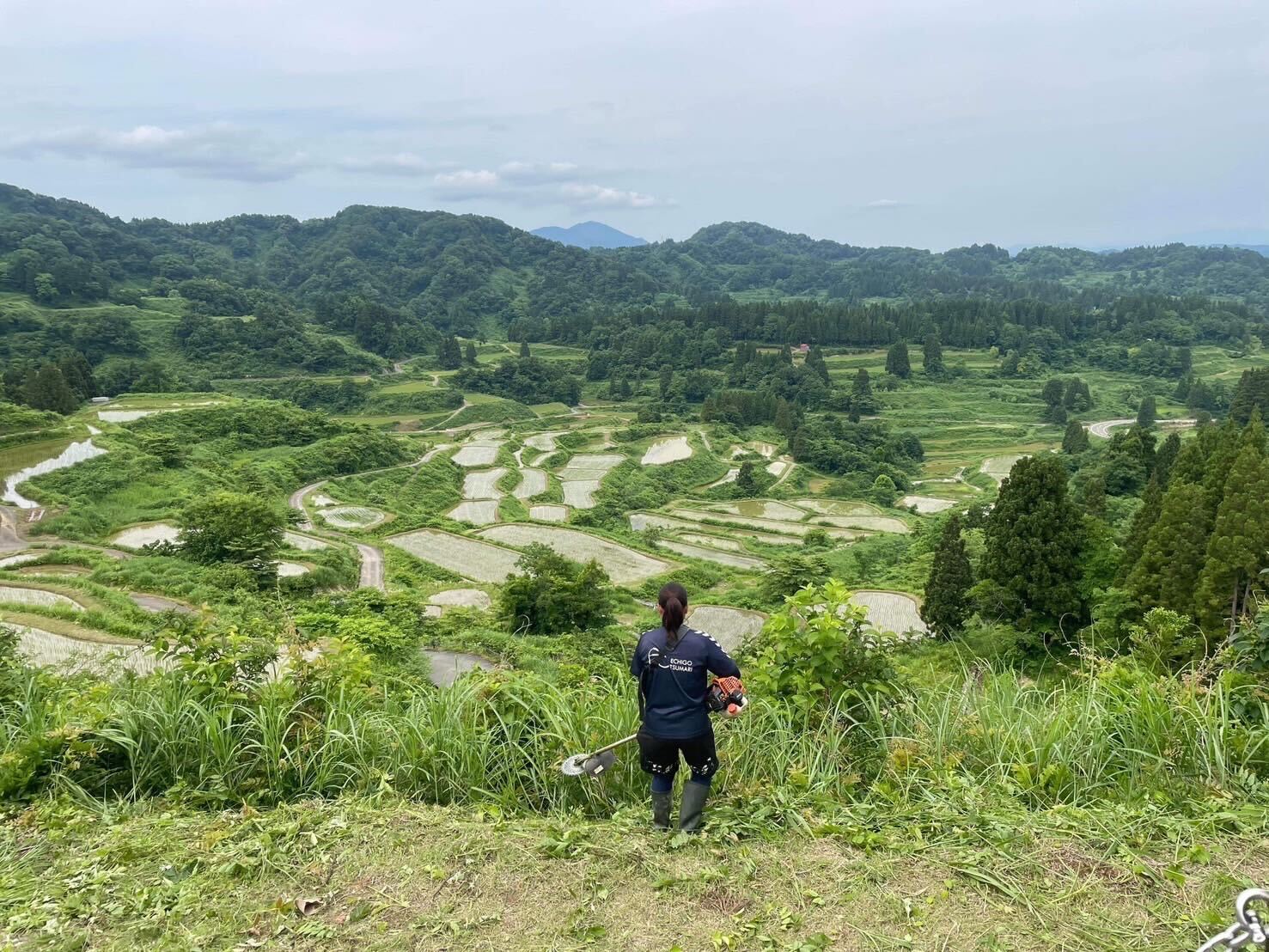
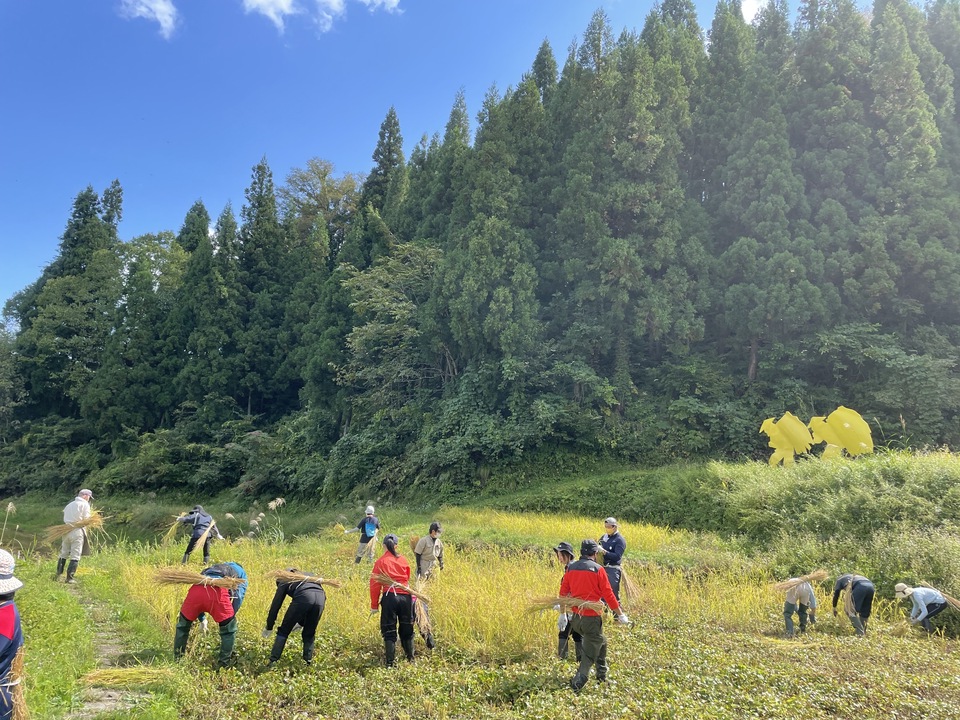
Agriculture Connecting Cities and Rural Areas
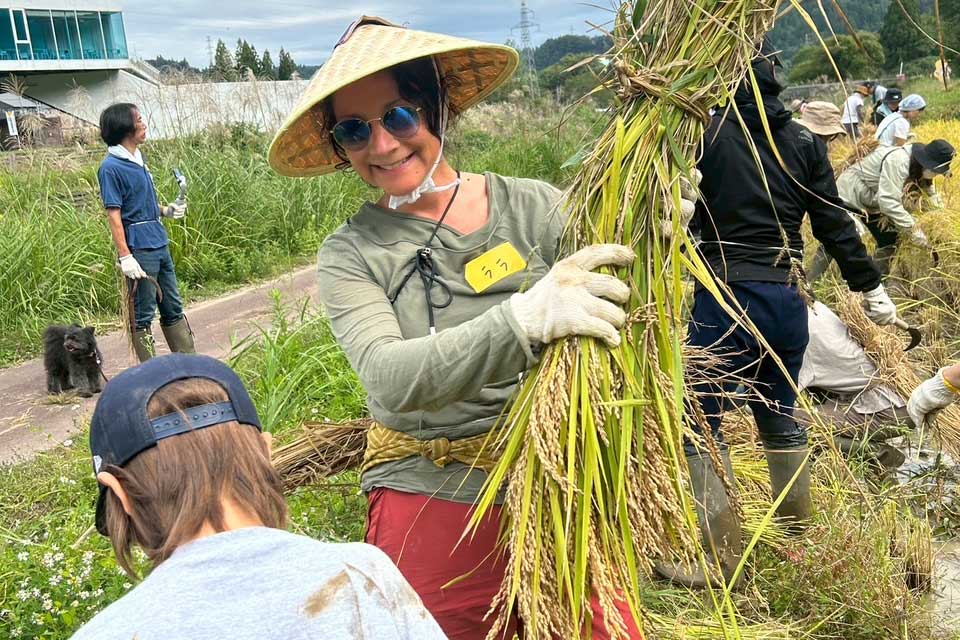
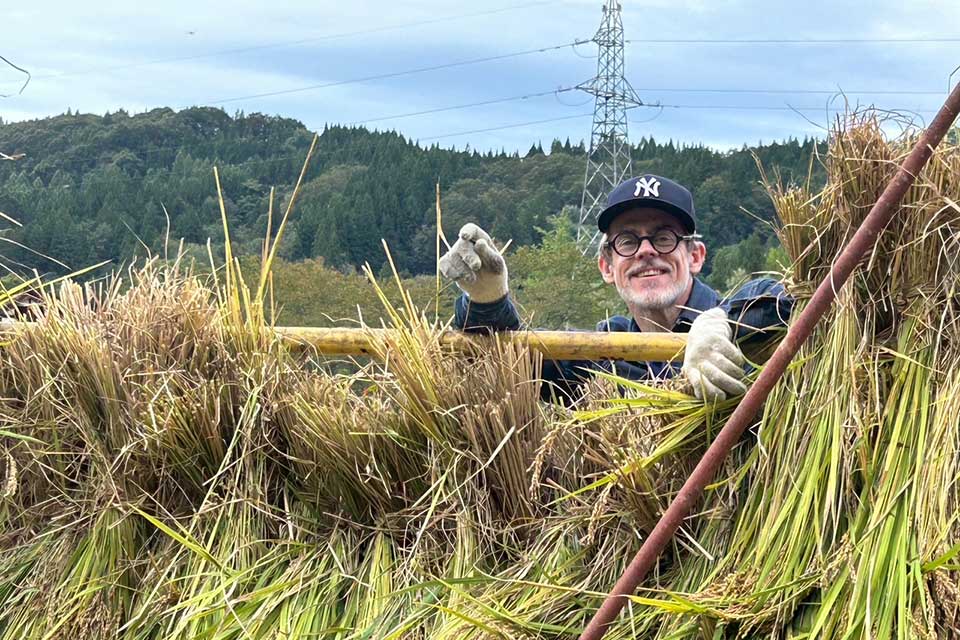
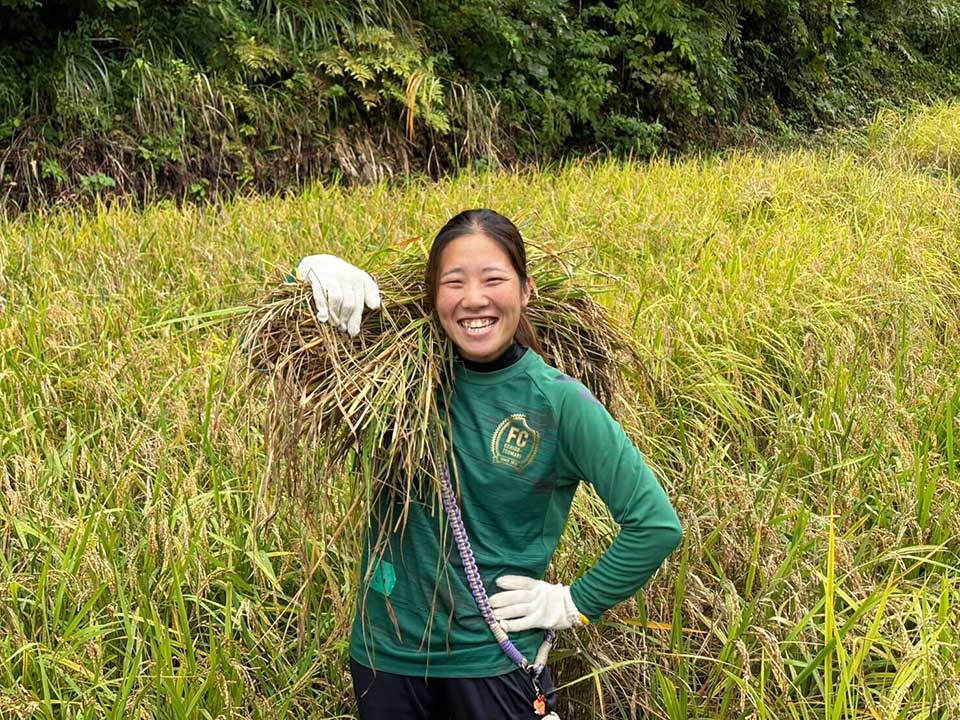
The Matsudai Rice Fields Bank holds agricultural events three times a year (rice planting, weeding, and rice harvesting). Members from all over the country and local residents gather together to deepen their connections through farm work. The reasons for joining the Rice Fields Bank vary widely—from those who simply want to farm to people who learned about our activities at the art festival and were inspired by them, as well as those who want to support FC Echigo-Tsumari.Regardless of their initial motivation, participants are people who wish to visit Echigo-Tsumari regularly through their involvement in farming. I, too, really enjoy working in the fields while chatting with members about everything from recent updates to future plans.
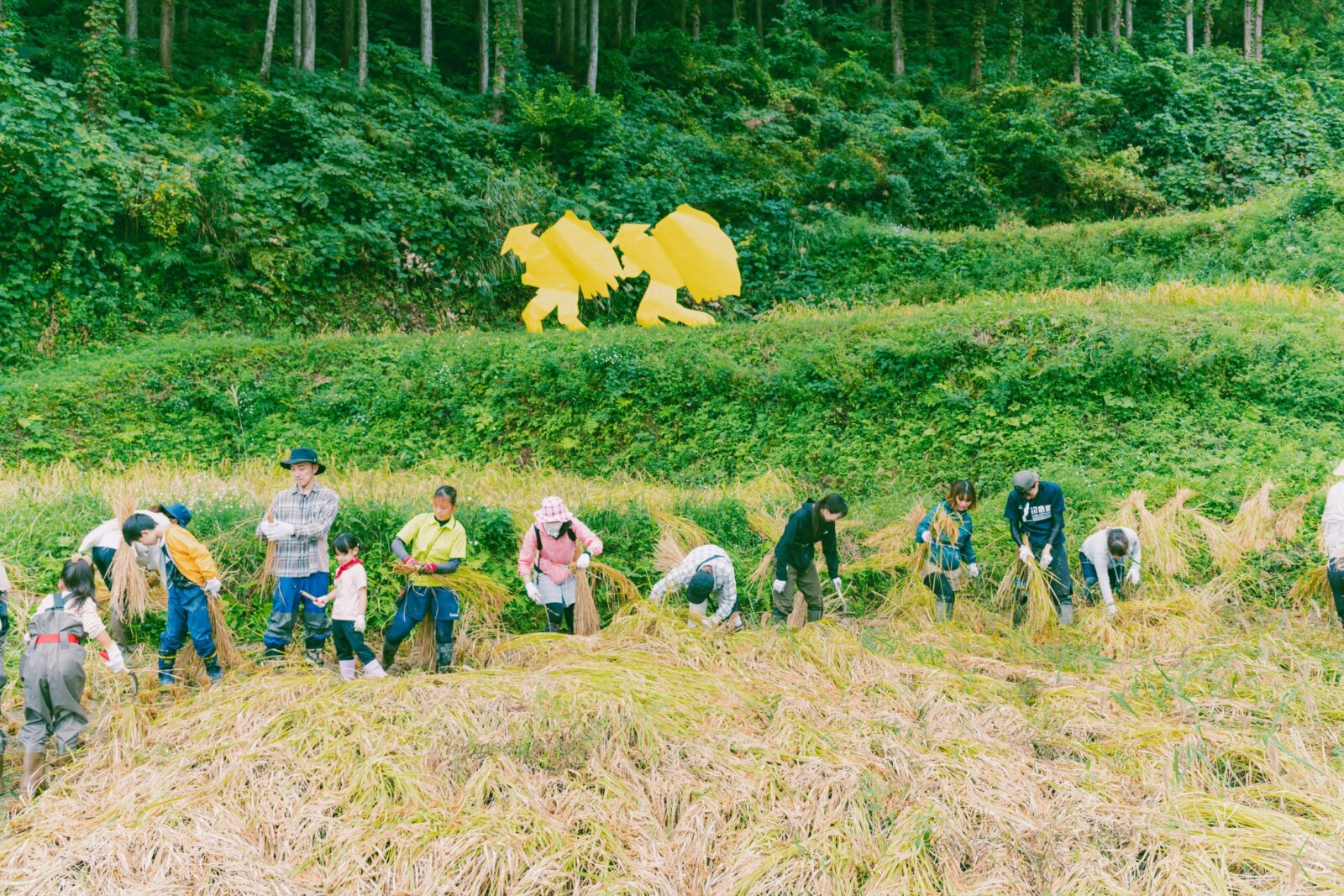
Rice Harvesting Event (Photo by Kanemoto Rintaro)
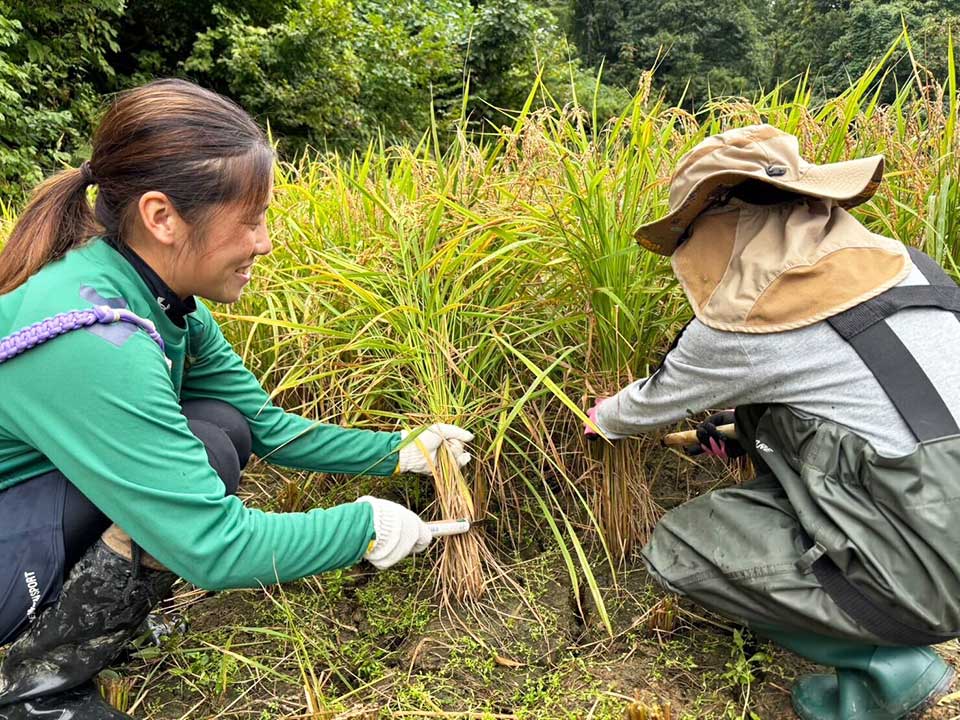
Rice Harvesting Event
It’s incredibly rewarding to provide a place where people can work together, breaking a sweat and getting covered in mud, and experience firsthand that farming is both hard work and fun—and that the rice they grow themselves tastes especially delicious. Through this activity, I, too, have learned the beauty of human connection.
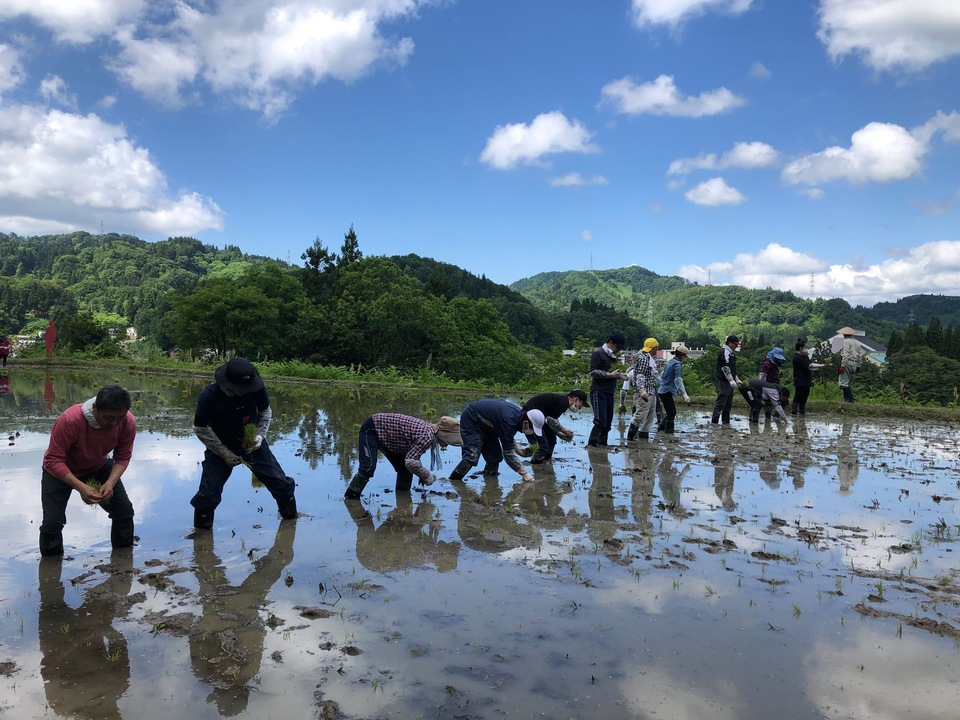
Rice Planting Event
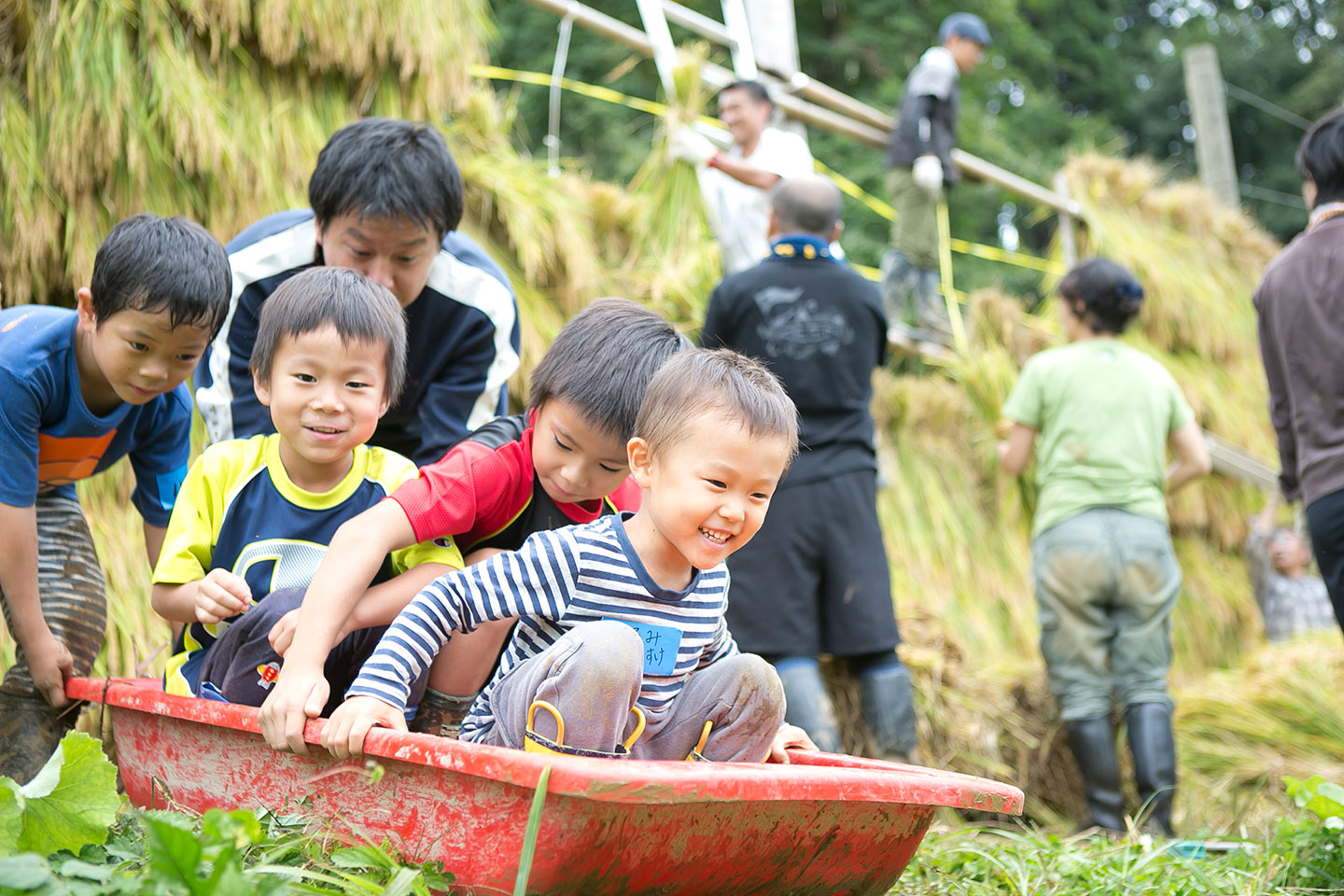
Rice Harvesting Event (Photo by Noriko Yoneyama)
Shipment. Sending My Child Off
Once we’ve finished harvesting the golden ears of rice, the shipping process awaits. The busy season is far from over. We pack the rice for “The Rice Fields Bank” members, as well as for retail stores and online sales, almost entirely by hand.
The total number easily exceeds 2,000 packages. It’s not just delicate manual work—there’s also heavy lifting involved, like making countless trips carrying 30-kg bags of rice to the mill. In the beginning, my arms and fingertips were sore every day, and I truly felt firsthand just how demanding farming really is.
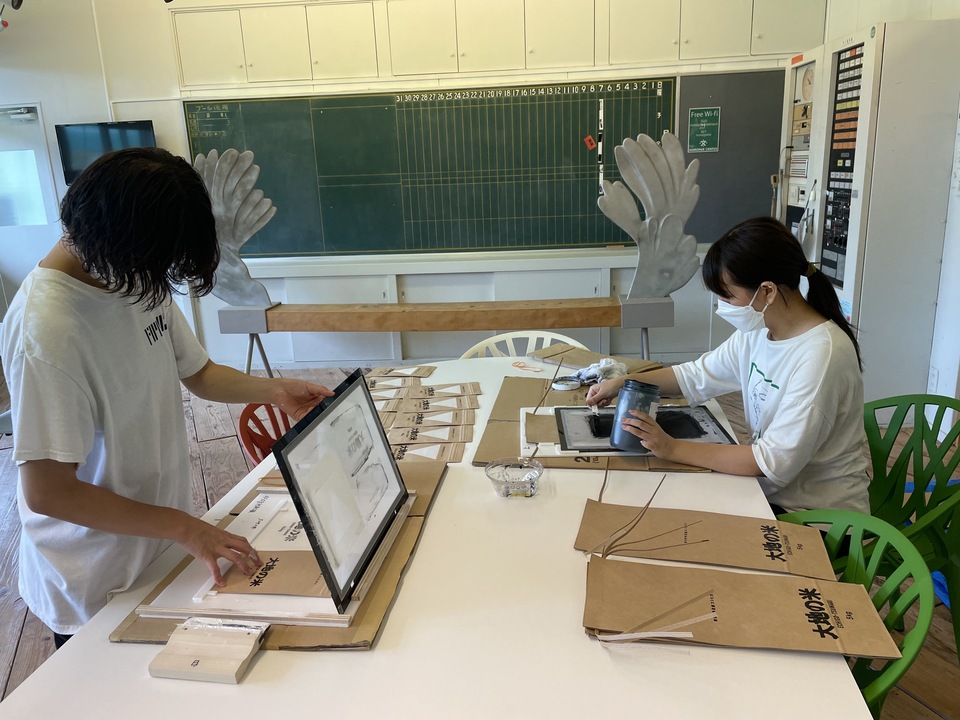
Rice Packing Process
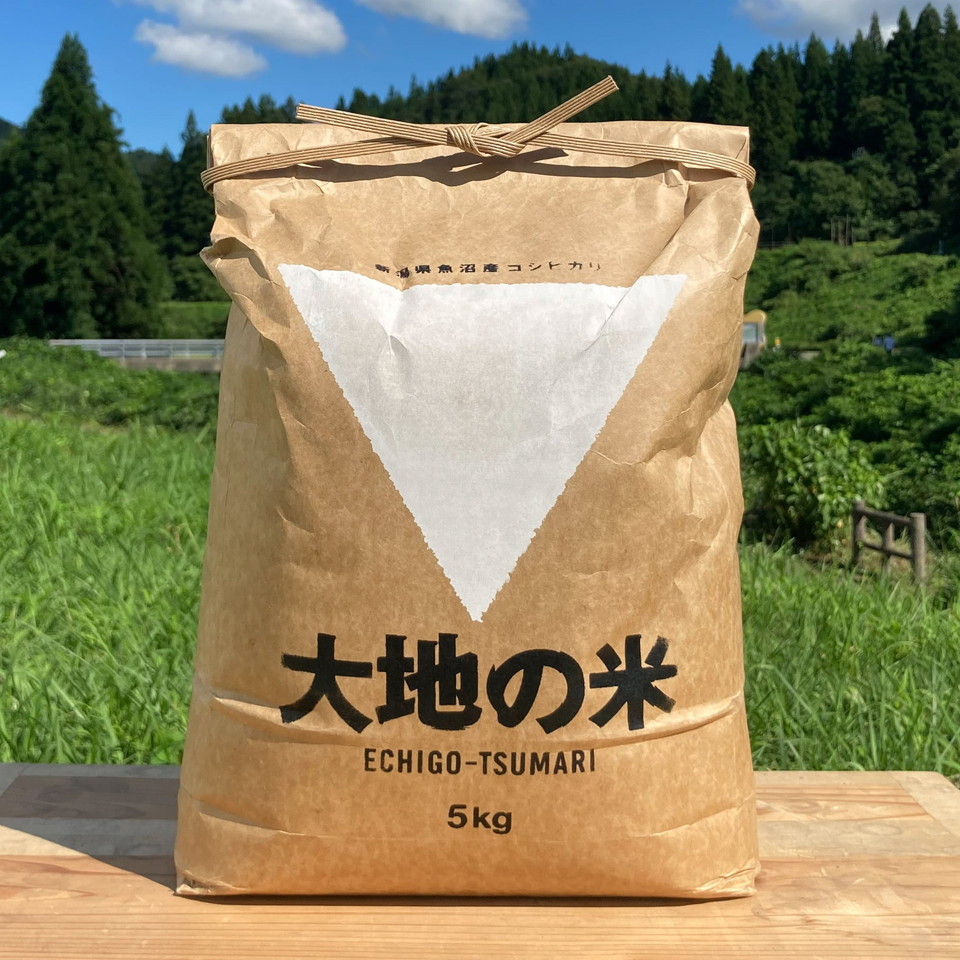
It’s a simple, painstaking task—just packing rice, tying it up, and placing it in boxes—but when I work while picturing the happy faces of the members I met at the The Rice Fields Bank event, I’m able to pack each one more carefully and with more care. By the time I’m done, I feel a wonderful sense of accomplishment.
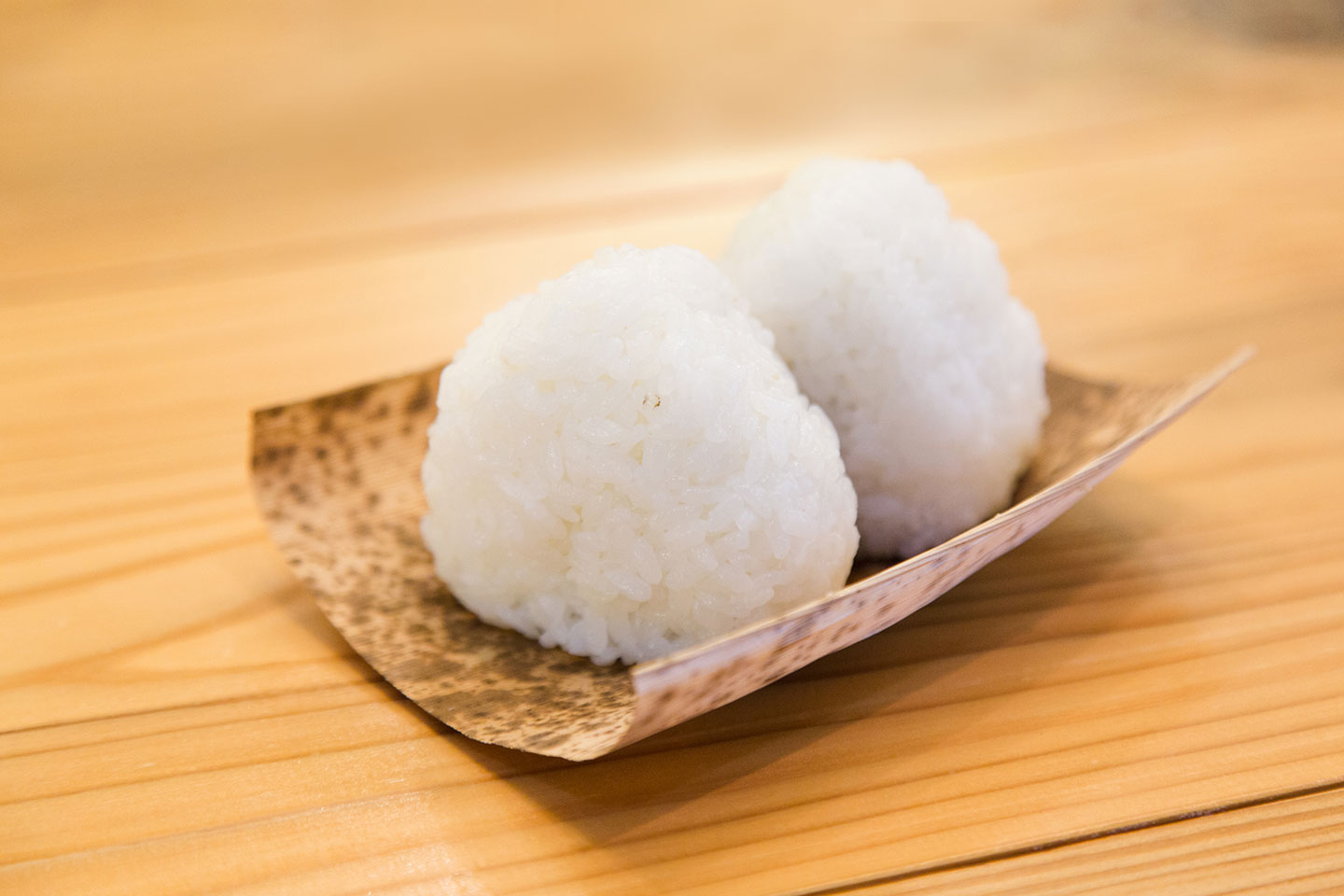
And when a customer who’s actually tasted the rice says, “It’s delicious,” I know all the hard work was worth it. It makes me want to keep working hard so that people can enjoy delicious rice again next year.
NPO Echigo-Tsumari Satoyama Collaborative Organization
Yui Yamashita


Articles

Latest Articles

Stay connected with the ETAT official social media to receive the latest news and event information, and the many seasonal faces of Echigo-Tsumari as well as new issue of the ETAT official media, “Art from the Land”.