Thinking 21st century art in the world from Niigata
Echigo-Tsumari Art Field - Official Web Magazine
Staff / Behind the Scenes in Echigo-Tsumari
"See you next year." The 7th Annual Yukimi-Gozen 2020
20 April 2020
As usual, the Yukimi-Gozen event kicked off this winter.
At the start of the year, we received expressions of interest from 12 communities, and in late January, we held a workshop led by EAT&ART TARO (artist). About 40 people gathered, and it was a great success. In early February, we recruited supporters for the Yukimi-Gozen at a supporter meeting held in Tokyo, and activities began in mid-February.
Looking back, news reports about the novel coronavirus began circulating around this time, and ultimately, the outcome turned out differently than in previous years.
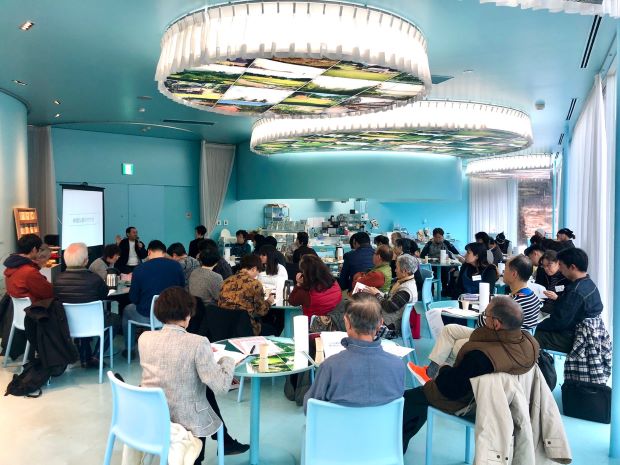
Photos from the January 27 Study Session
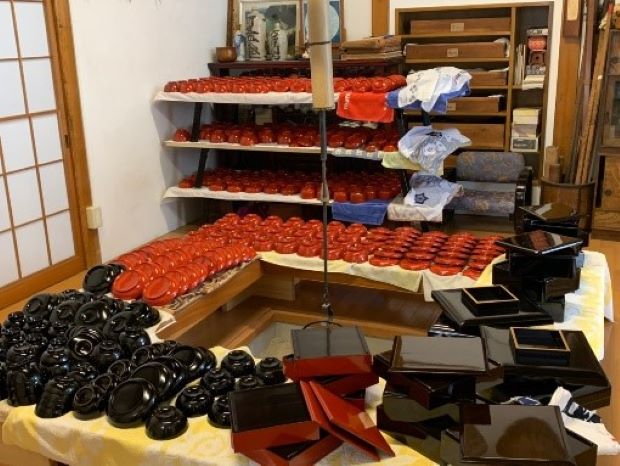
Preparatory Activities @ Sarukura Village
This year, the Official Tour bus ran as early as February, and we held the Yukimi-Gozen event four times on February 15, 16, 22, and 23. We welcomed a total of 97 guests.
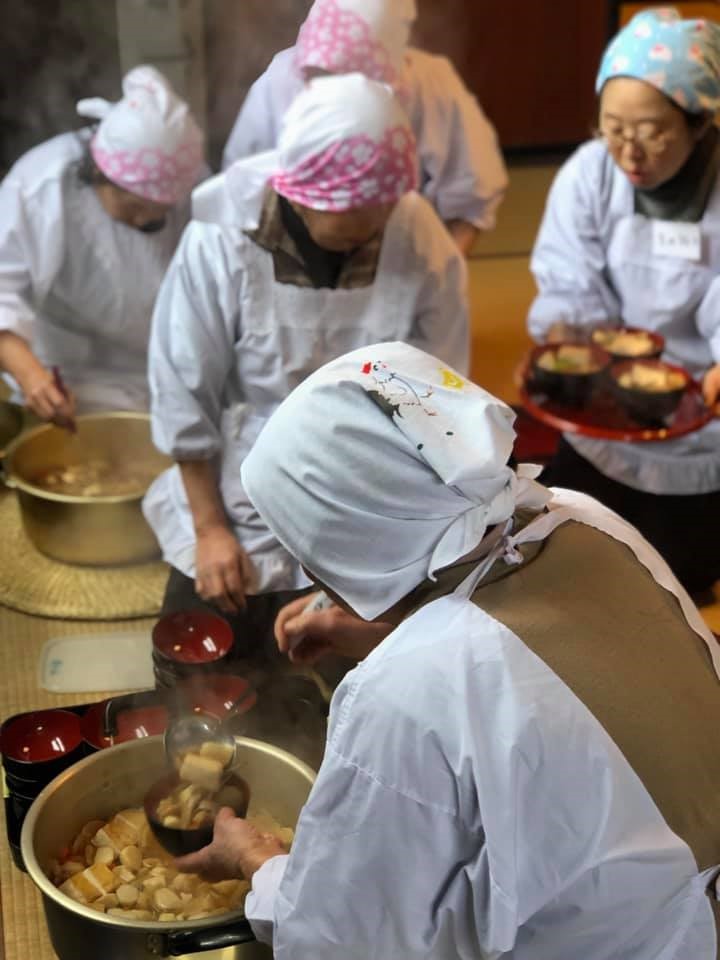
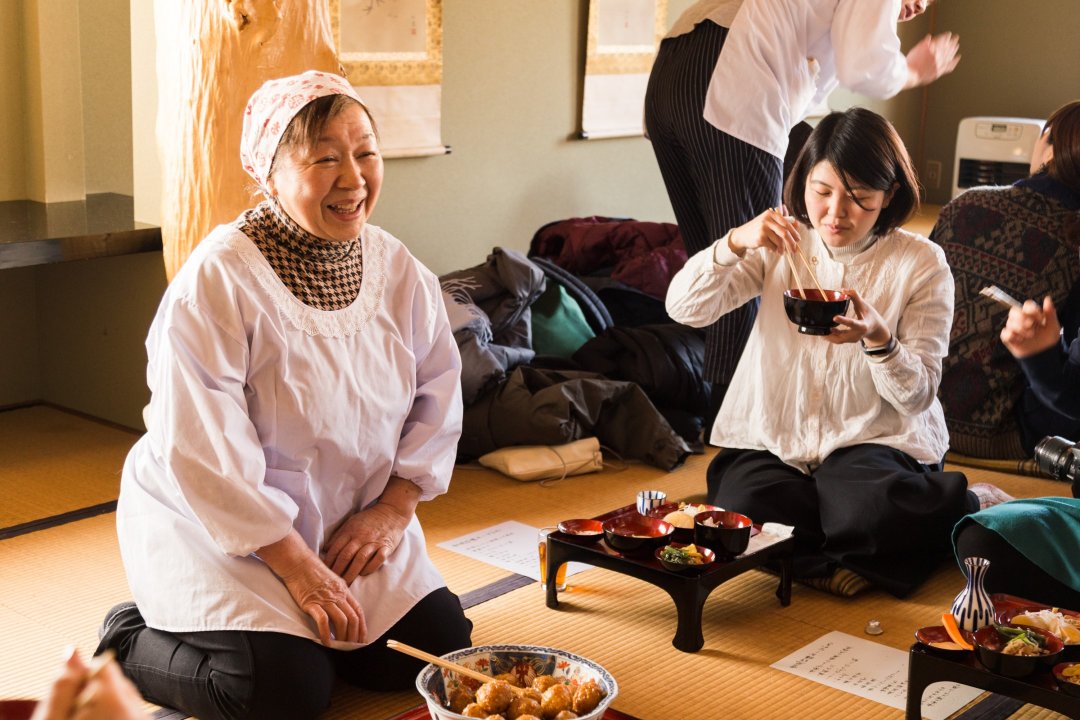
The first group on Saturday, February 15, was a group of mothers from the Matsudai area, who gathered at the Matsudai History Museum. Members of the press also joined this tour and shared their experiences on social media and other platforms, which led to a surge in reservations for the following week right up until the last minute.The Matsudai meal featured “Ichoppa-jiru”—a local Matsudai dish with grilled tofu—as well as simmered cod on a stick, pickles arranged in the shape of flowers, and handmade daifuku. Among the instructors for “Hobiki,” Matsudai’s traditional children’s game, was even someone in their 90s! Any concerns we had were put to rest by the smiling faces of the mothers.
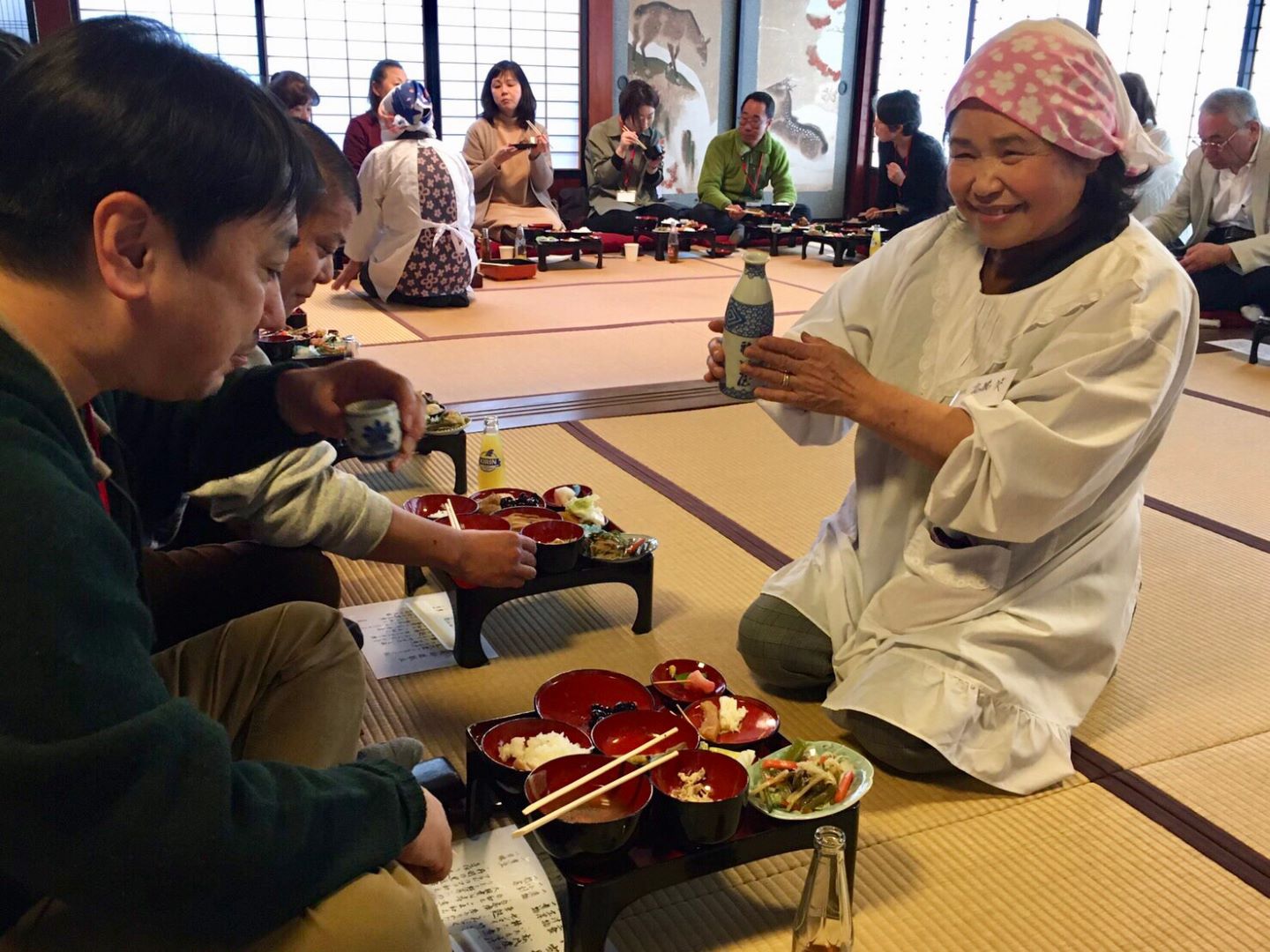
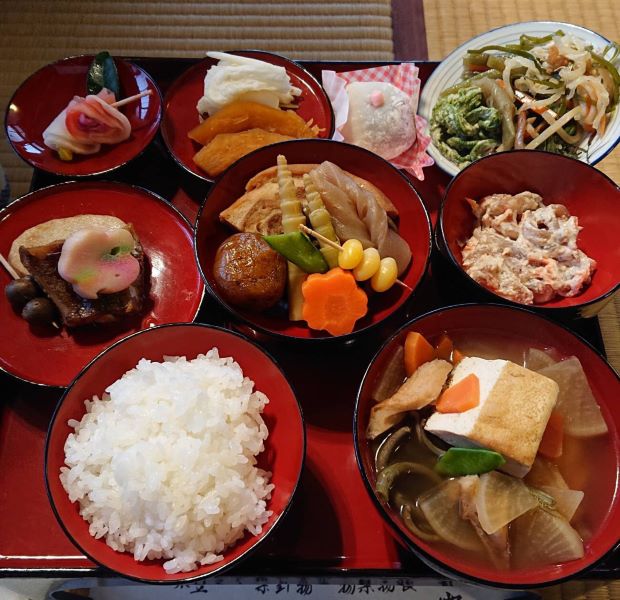
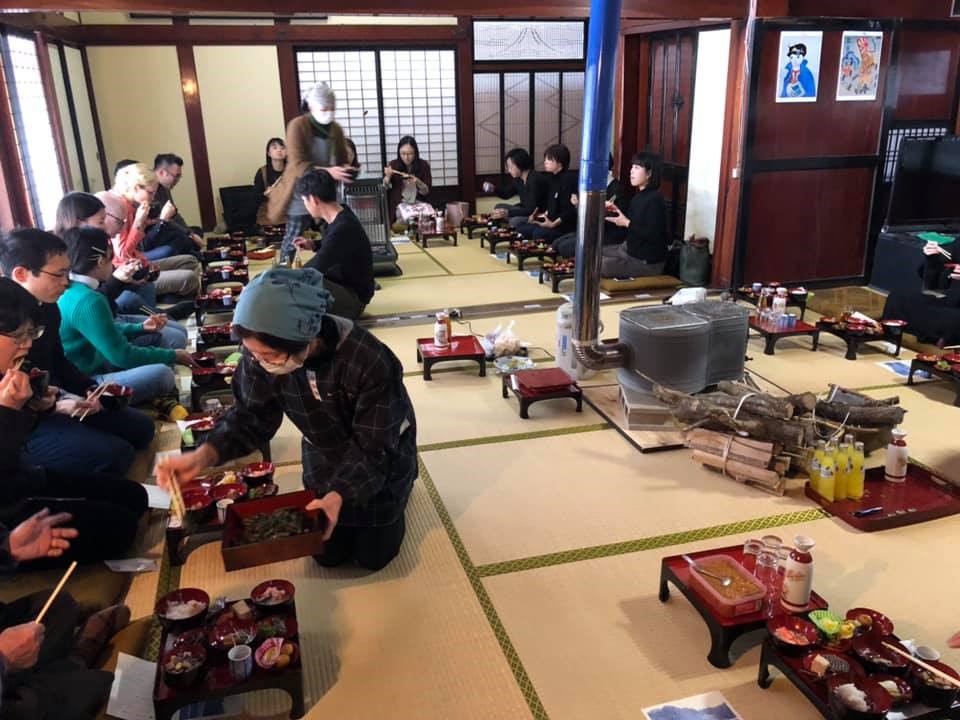
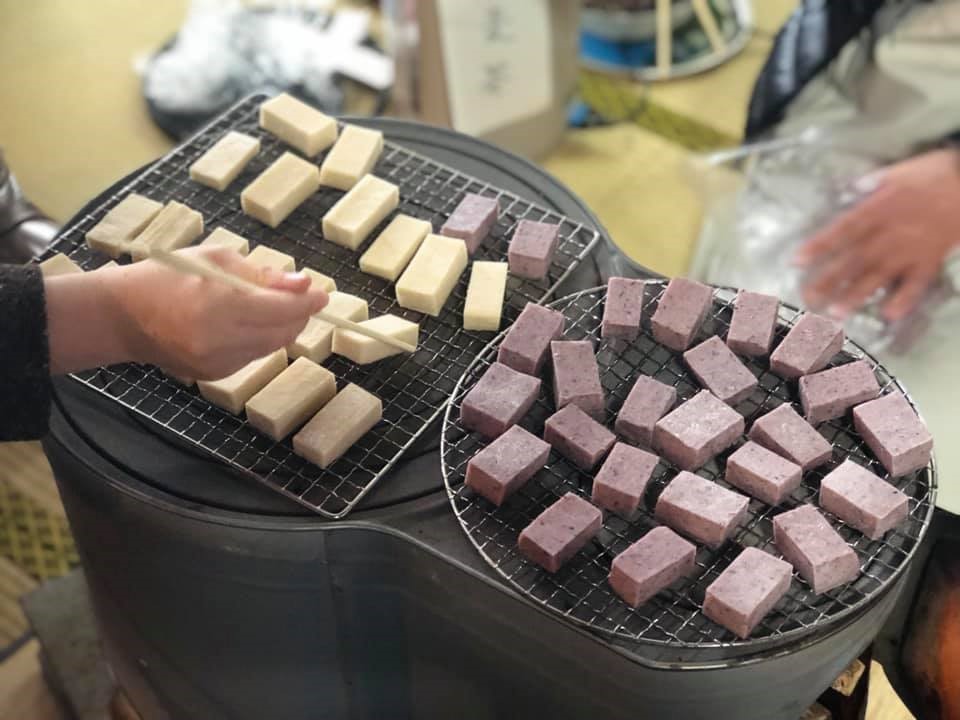
The event on Saturday, February 22, features the “Yukimi-Gozen” (Snow-Viewing Meal) from the Matsunoyama-Shimokawate hamlet, which has been participating since last year. We begin by preparing the venue—which includes installing a wood-burning stove in an empty house known by the trade name “Yashiki”—a house that once belonged to a family who made their fortune from petroleum produced in the neighboring Oharauto hamlet.The snow country experience here includes watching cheerful, talented fathers craft chopstick rests from black pepper tree branches gathered in the mountains; being served tea brewed from those same branches; and trying your hand at playing a leaf flute made from snow camellia leaves. You’ll also enjoy zenzai (sweet red bean soup) made from wild adzuki beans—the kind people used to pick and eat around this house in the old days.Just once a year, this vacant house is transformed into a dining venue.
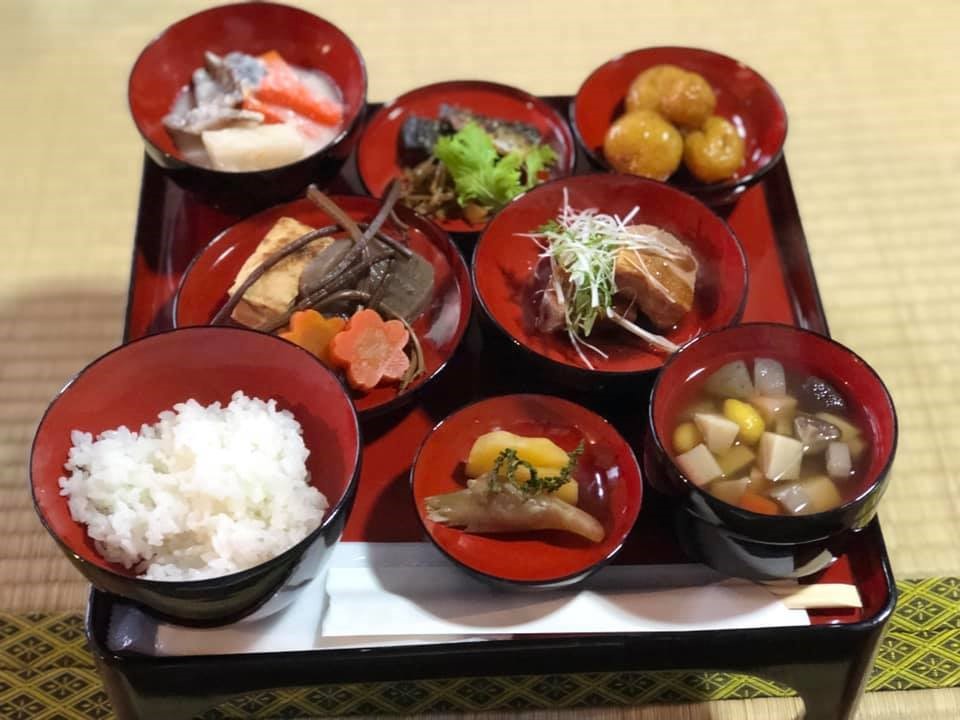
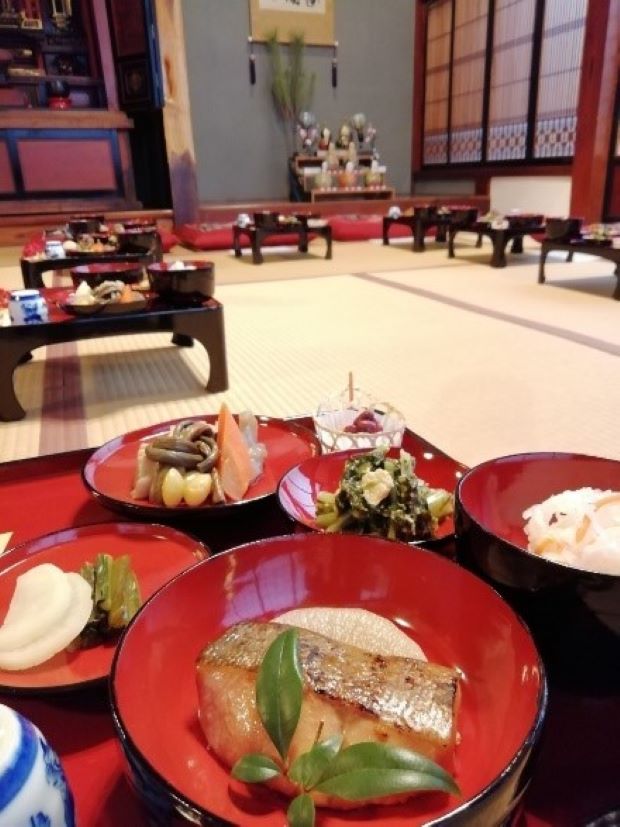
On Sunday, February 16, and Sunday, February 23, we hosted events at the same Local History Museum, as the venue, with meals prepared by the Satoyama Shokudo at Noubutai, and welcomed guests alongside the mothers from the Matsudai district.We prepared the menu—which included ichoppajiru soup, yuzu-marinated grilled salmon, red-and-white namasu with dried persimmons and kakinomoto, simmered vegetables with homegrown beans and sake lees, and pumpkin yōkan simmered with red beans—while studying traditional recipes from each hamlet. On the 23rd in particular, we welcomed as many as 35 guests, and the Venue was buzzing with excitement.
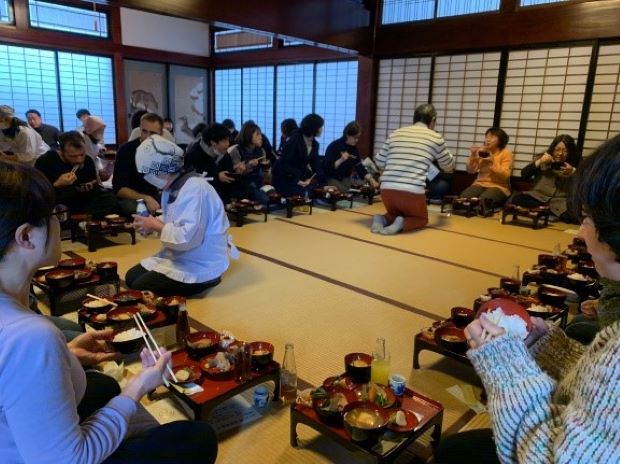
It feels like a dream now. See you next year.
Preparations were underway right up until the last minute in the eight villages where the event was scheduled to take place on Saturday, February 29, and Sunday, March 1, to coincide with the main snow fireworks display; however, due to the spread of the novel coronavirus, the decision was made to cancel the event. The event has been postponed for now. We appreciate the residents of these eight villages for their concern and for continuing their preparations until the very end.
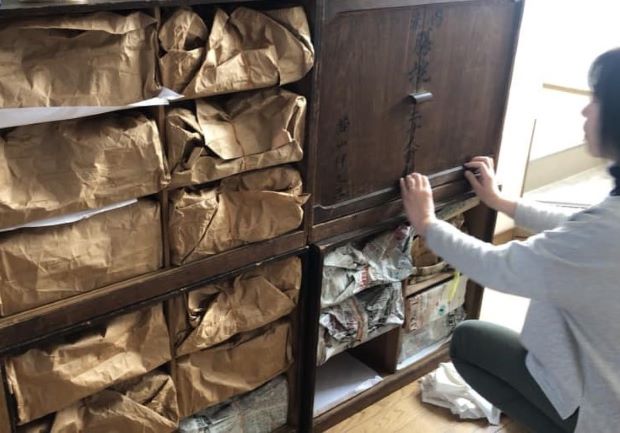
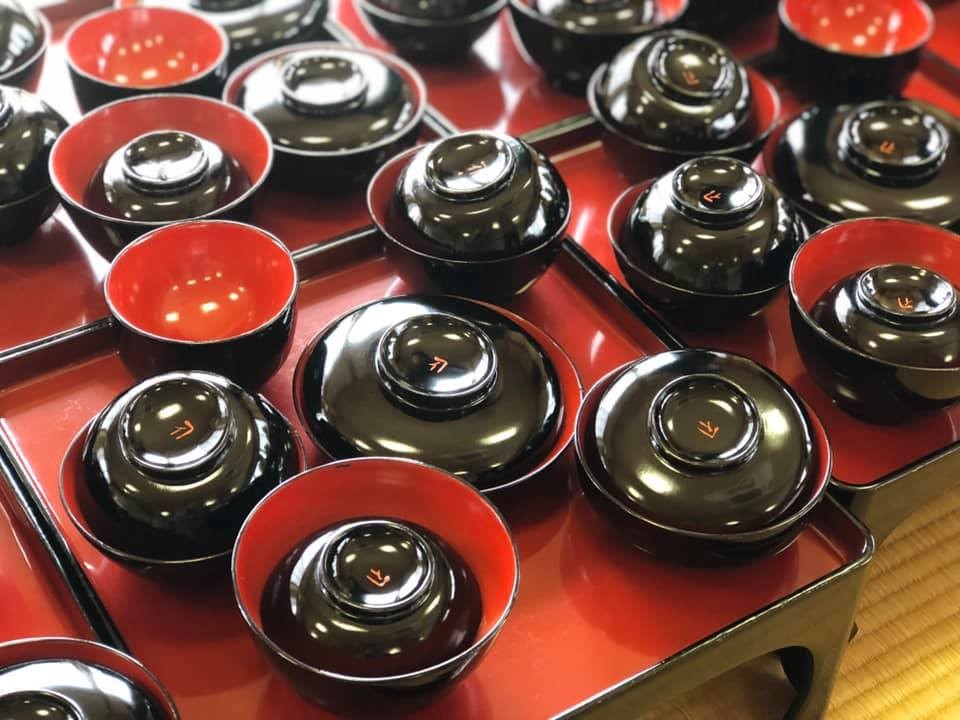
Afterward, I visited the neighborhoods and villages where the event could no longer be held.
“It was supposed to be today, wasn’t it?” they said, as they each went about their own business—putting away the prepared meals, sharing or selling the ingredients they’d procured and the preserved foods they’d planned to use, or cooking and eating the food anyway, figuring they might as well make the most of it.
“See you next year.”
“Let’s stick with the menu we decided on this year for next year, too. Please, everyone, take good care of your health until then.”
“We spent a whole year preparing the ingredients, so right now we’re eating warabi and zenmai every day.”
“We don’t know what next year will bring, but we’ll do it whenever we can all get together.”
“We’ve already decided to store the meal sets at the community center (for the Yukimi-Gozen event) instead of returning them to people’s homes, haha.”
We were truly grateful, and we returned home feeling energized ourselves.
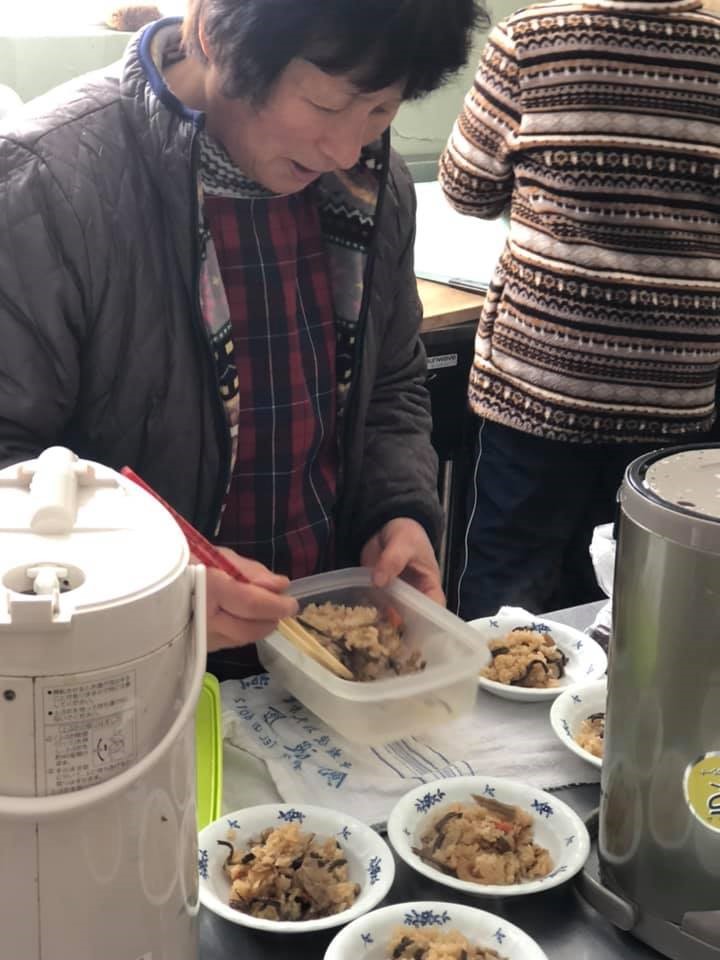
Once again this year, many people helped make the Yukimi-Gozen possible.
Thank you so much.
We hope to welcome you again next year with the Yukimi-Gozen in Echigo-Tsumari. The mothers have already begun preparing the Yukimi-Gozen by preserving wild mountain vegetables harvested in the spring.
Akiko Hida, Food Team Leader and Manager of “Matsudai NOHBUTAI” at Matsudai
(NPO Echigo-Tsumari Satoyama Collaborative Organization)

Articles

Latest Articles

Stay connected with the ETAT official social media to receive the latest news and event information, and the many seasonal faces of Echigo-Tsumari as well as new issue of the ETAT official media, “Art from the Land”.