Thinking 21st century art in the world from Niigata
Echigo-Tsumari Art Field - Official Web Magazine
Travel / Exploring Echigo-Tsumari
Head to Echigo-Tsumari this winter, where snow is falling! A bus tour through snow and art
Many of you may have visited the Echigo-Tsumari Art Field in the summer but haven’t yet experienced it in the winter. Winter is when Echigo-Tsumari truly shines! We highly recommend a winter visit, where you can enjoy the stunning collaboration between the breathtaking snowy landscapes and art, as well as experience the rich culture born from the blessings of snow.
20 December 2022
Art That Brings Color to a Pure White World
Echigo-Tsumari is said to have the deepest snowfall of any city with a population of around 50,000, and it is one of Japan’s heaviest snowfall regions, where snow depths can exceed 3 meters. More than 300 artworks are scattered across a landscape larger than the 23 wards of Tokyo, serving as signposts that guide visitors to the villages.
January through March is when snow and art truly fuse, showcasing the unique character of Echigo-Tsumari at its best.
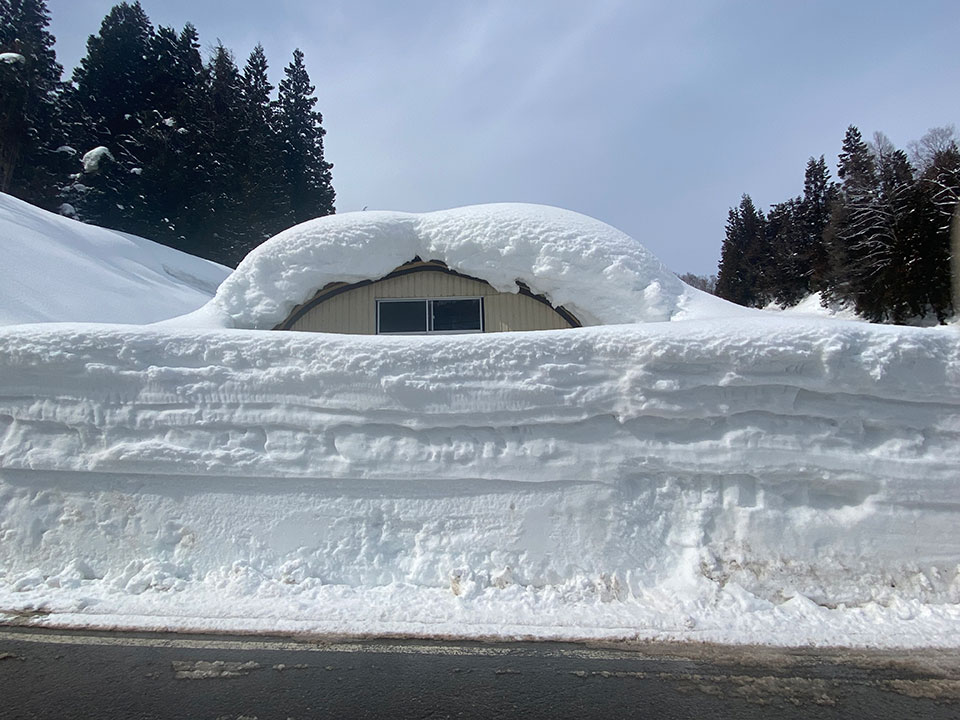
The cross-sections of snow walls layered like mille-feuille and the scenery of snow piled high like mushrooms on rooftops look like artworks woven by nature.
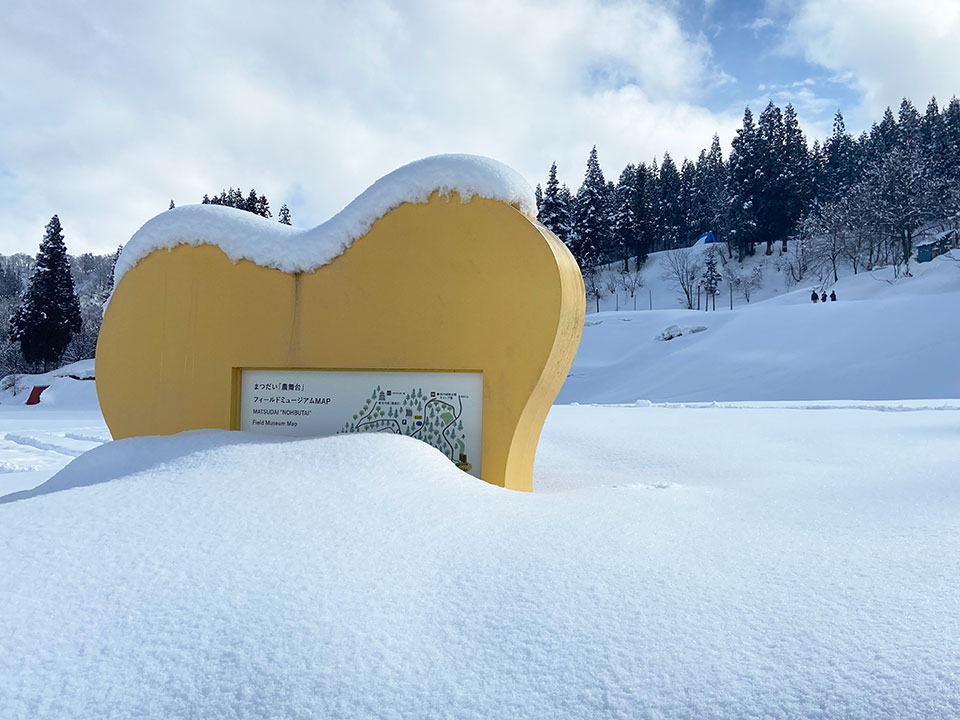
José de Guimarães, “THE YELLOW FLOWER”
If you’d like to visit in winter but are worried about driving on snowy roads, we recommend the Official Tour. You can relax and enjoy viewing the artworks in comfort while gazing out the window at snowbanks piled as high as your eye level.
This winter, two Official Tours—a day trip and a one-night, two-day tour—will operate, both departing from and returning to Echigo-Yuzawa. In this article, we’ll introduce the “Experience with All Five Senses! Yukimi-Gozen & SNOWART Tour (Day Trip),” which runs every Saturday from January 28 (Sat) to March 11 (Sat), as well as Special Exhibitions held at MonET and Nohbutai.
The trip begins in Echigo-Yuzawa
“Once we passed through the tunnel, we found ourselves in a snowy landscape.” Just as those words suggest, the view from the train window changes dramatically as we arrive in Echigo-Yuzawa, the gateway to the snow country. Since it takes only about an hour and a half to get there from Tokyo by Shinkansen, you can actually enjoy a full day’s worth of fun even on a day trip.
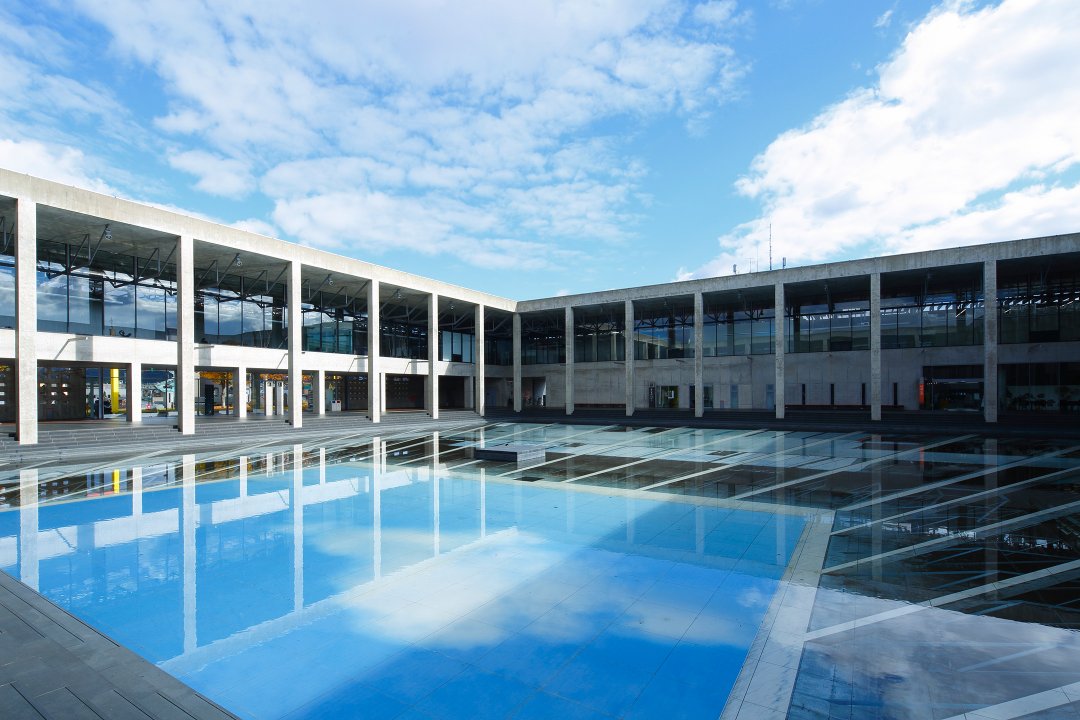
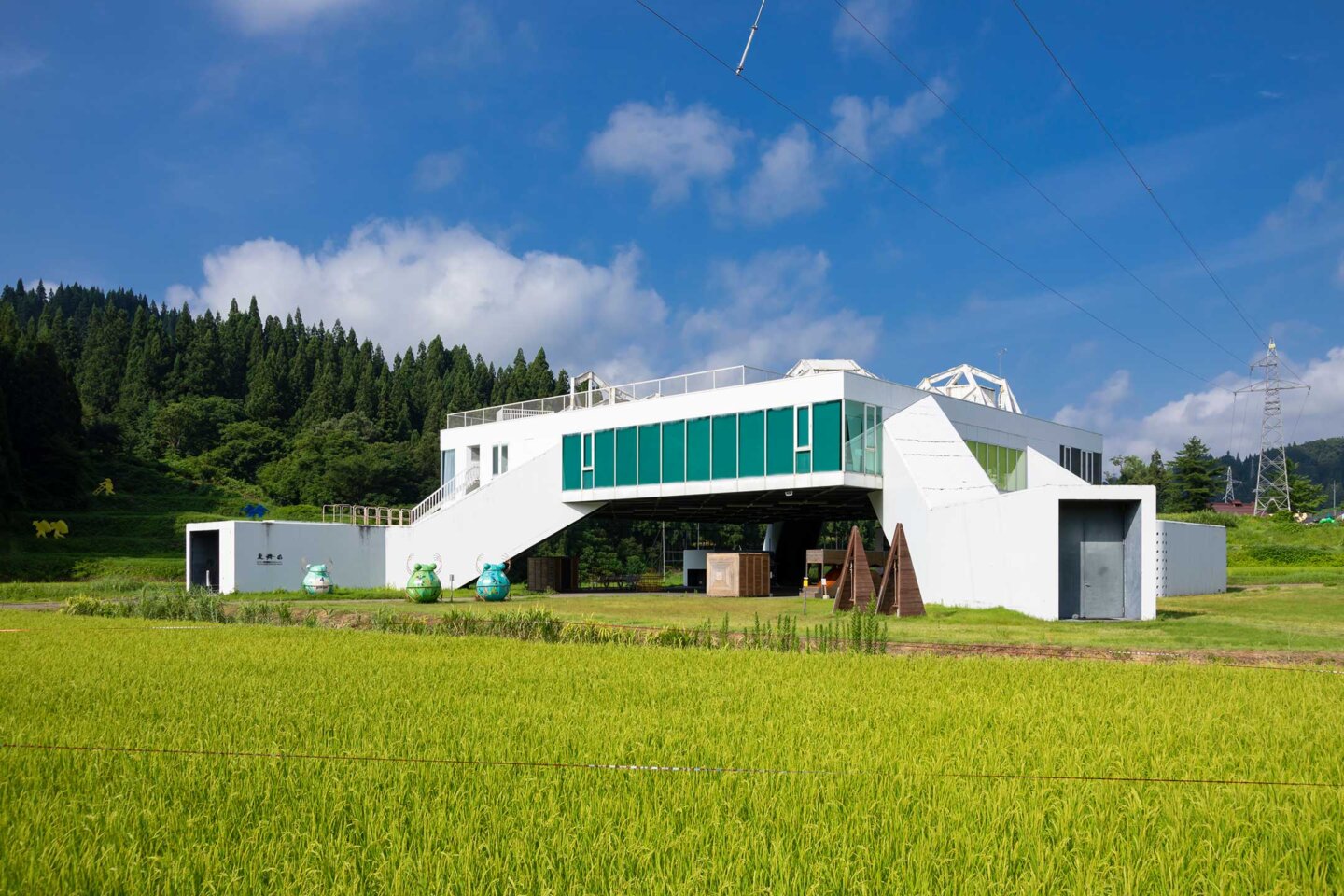
After a 40-minute drive over the Jūni Pass, your first stop is “Museum on Echigo-Tsumari, MonET,” the Echigo-Tsumari Satoyama Museum of Contemporary Art in the Tokamachi area. This facility serves as the centerpiece of the Echigo-Tsumari Art Field. During the green season, the central pond at MonET sparkles, reflecting the blue sky on its surface; in winter, it transforms into a pure white snowfield, revealing a whole new side of its beauty.
The winter program, which begins on January 14, features the museum’s Permanent Exhibition as well as a Special Exhibition showcasing the work of four artists who have been invited to reimagine the allure of snow. Even if you’ve visited MonET before, we invite you to experience its ever-changing seasonal beauty.

Top left: Yu Kato (Photo: Yu Kato) / Top right: Komatsu Kosei (Photo: Shin Inaba (c) Komatsu Kosei at Kanazu Creative Grove Museum) / Bottom left: Yoshiya Hongo (Photo: Fumihito Nagai) / Bottom right: Atsuko Mochida (Photo: Tatsuyuki Tayama)
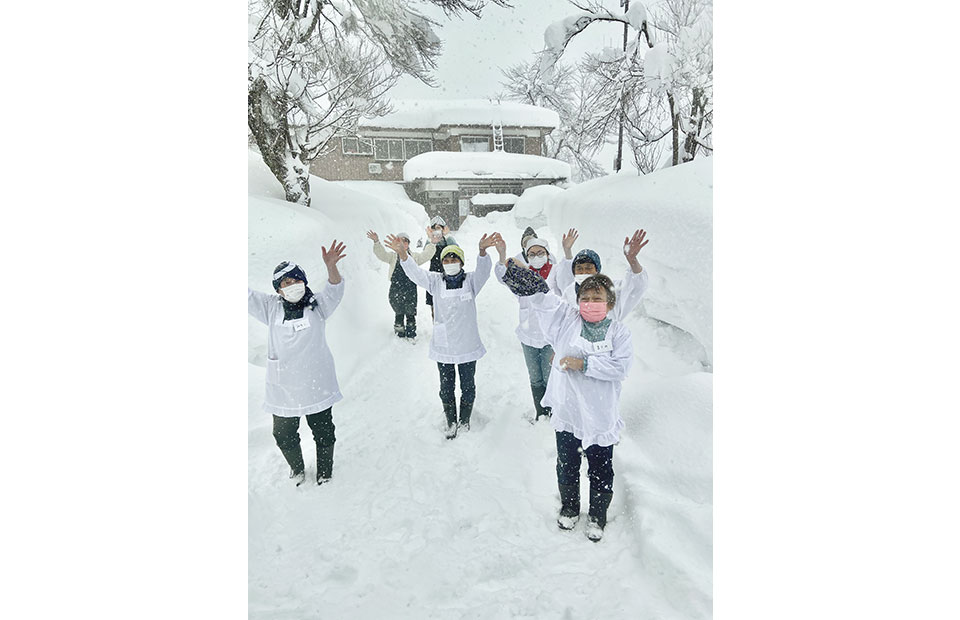
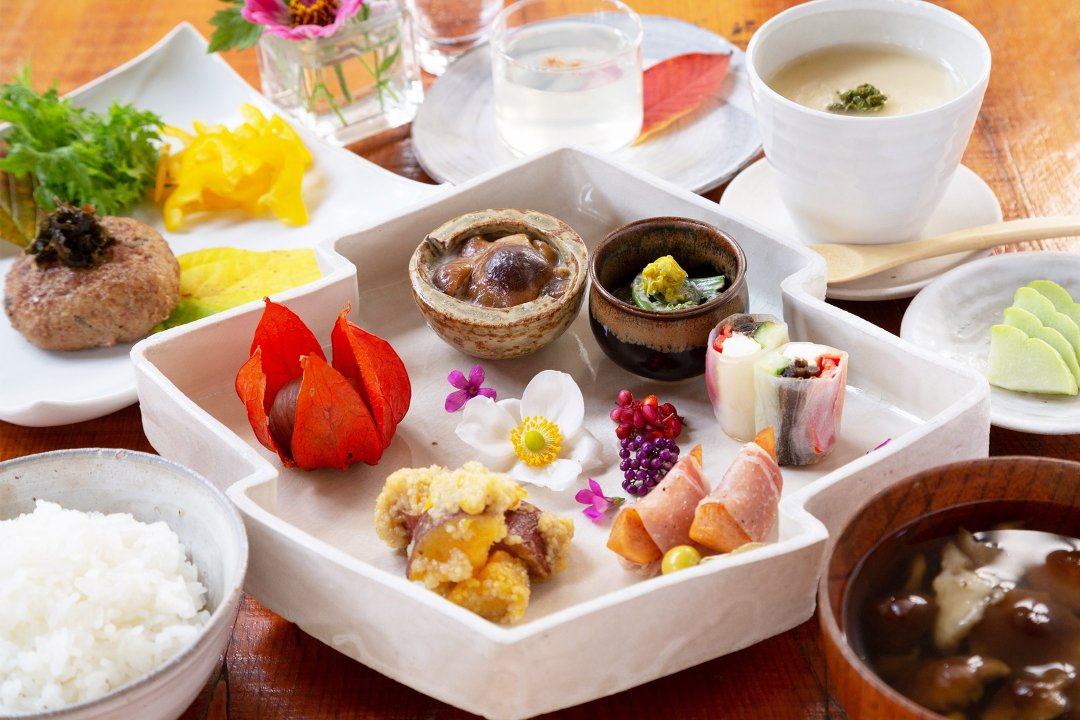
Food is art. For lunch, we’ll enjoy the “Yukimi-Gozen” in the village.
The Yukimi-Gozen is a special dining program where guests can enjoy winter-survival dishes—rich in local wisdom and culture—as a gesture of hospitality from the village community. We view the way of life born from living in harmony with nature as a form of art, and have been welcoming many guests since the winter of 2014.
The more than 200 villages in Echigo-Tsumari have passed down practical wisdom for surviving the long winter and cultivated their own unique cultures. Winter cuisine, including preserved foods, is one such tradition. You’ll enjoy homemade dishes carefully prepared by the local mothers, served on lacquerware that was once used for weddings, funerals, and other ceremonies within the village and has been carefully preserved.
The specific village you’ll visit remains a surprise until just before the tour begins. Venues vary from village to village, ranging from places that have long served as community gathering spots to historic traditional houses. While the heartfelt cuisine is certainly a highlight, the true joy of the Yukimi-Gozen lies in the time spent chatting with the local mothers. The hospitality offered by these village mothers is sure to leave you feeling full—both in body and spirit.
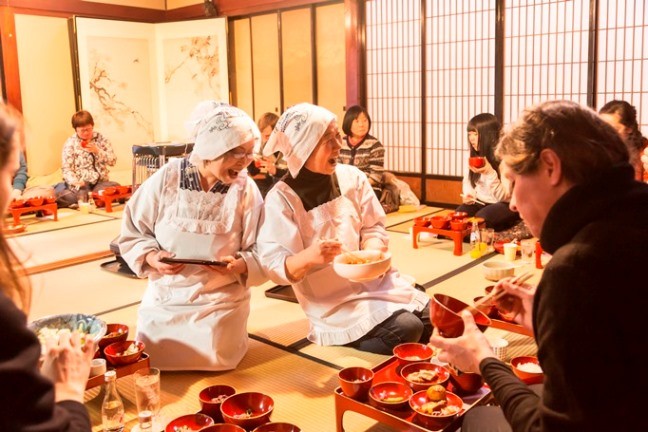
Photo by Nakamura Osamu
In recent years, due to the COVID-19 pandemic, there were years when the tour could not be held at all, and other years when the number of participating villages was limited. However, it has been decided that the tour will be held exclusively this winter, and we are moving forward with preparations together with the many villagers who are cooperating with us. The local mothers, who are looking forward to welcoming guests from far away, will surely greet everyone with their most radiant smiles again this year.
Adults and kids alike can enjoy playing in the snow to their heart’s content!
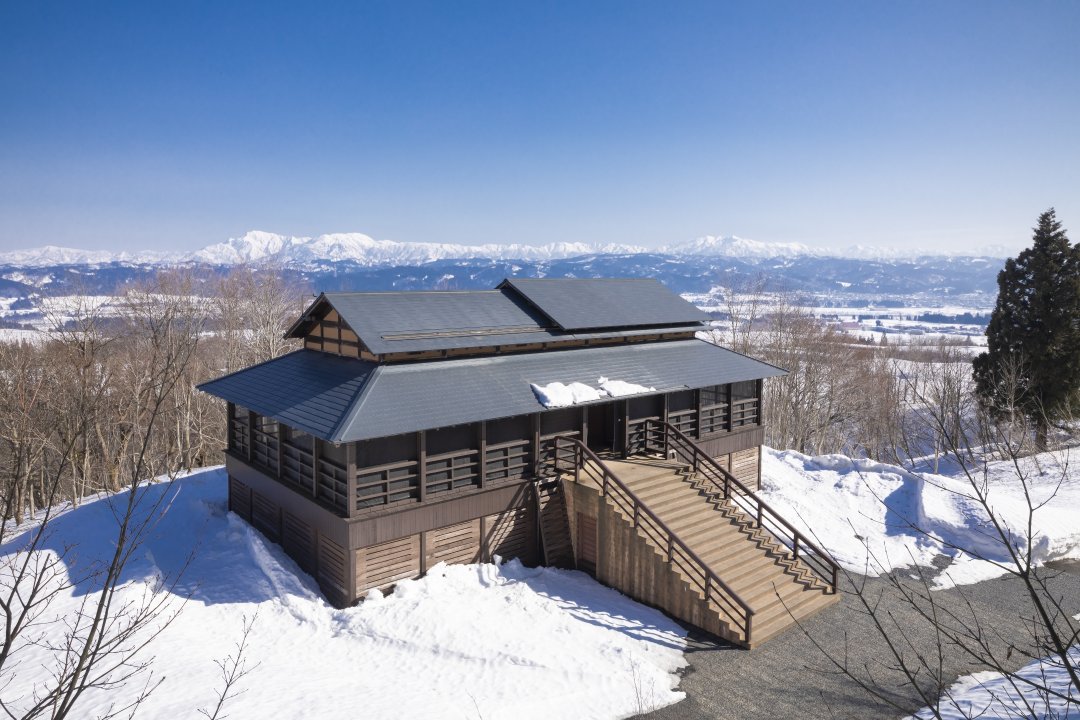
Once you’ve had your fill, head to the Matsudai NOHBUTAI Field Museum, the central facility in the Matsudai area.
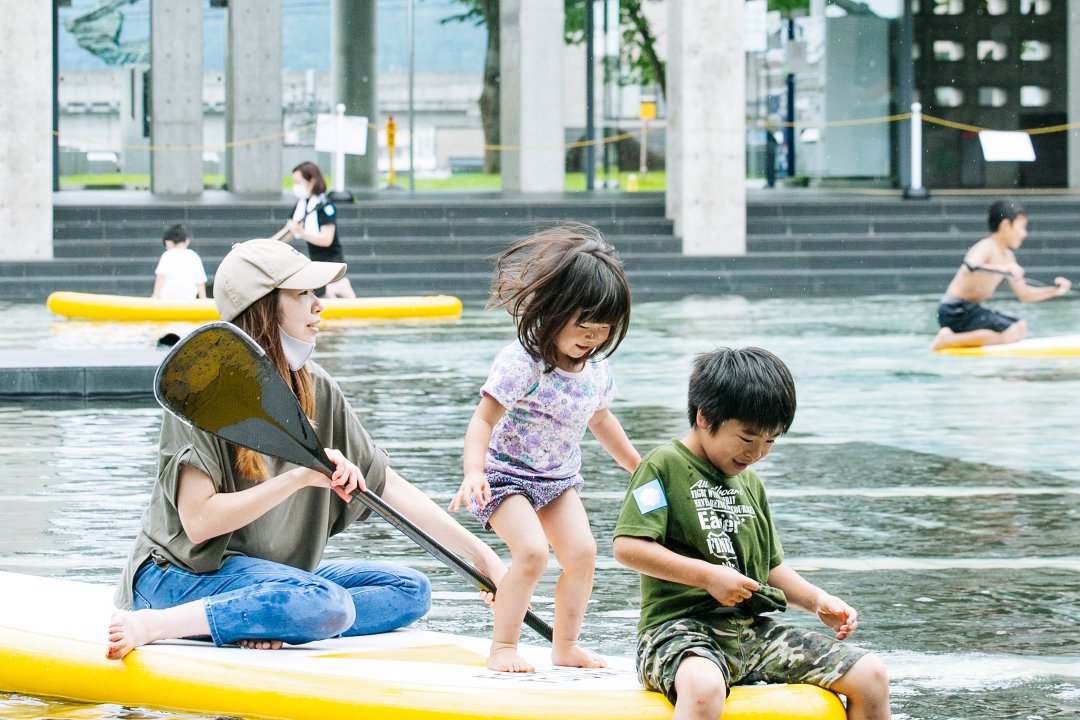
At Nōbutai, an amusement park has sprung up against the backdrop of the winter satoyama!
You can explore the snow-covered paths while admiring the artworks, ride attractions like the snow banana boat guided by the “Satoyama Masters” and “Scarecrow Squad”—who are active in the Matsudai area—and enjoy numerous mini-events held during ETAT. If you get tired, there’s also a corner where you can take a break with coffee and mochi.
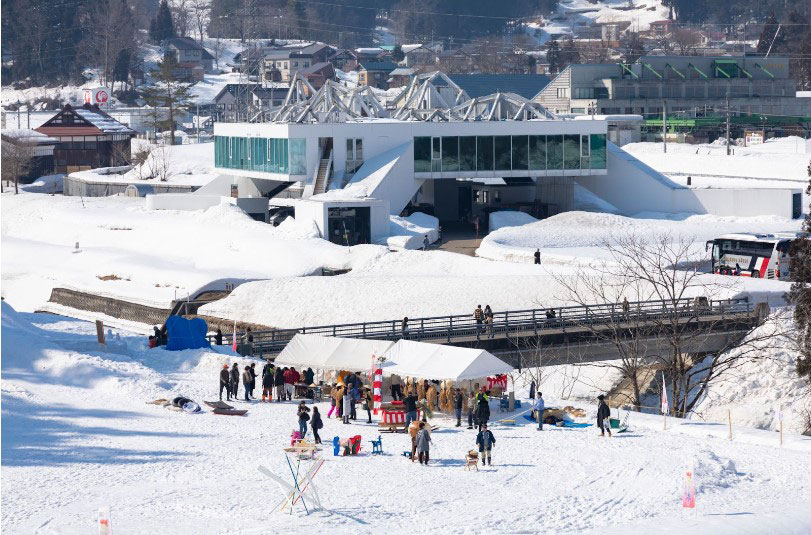
Photo by Nakamura Osamu
Reflecting on the Author's Feelings
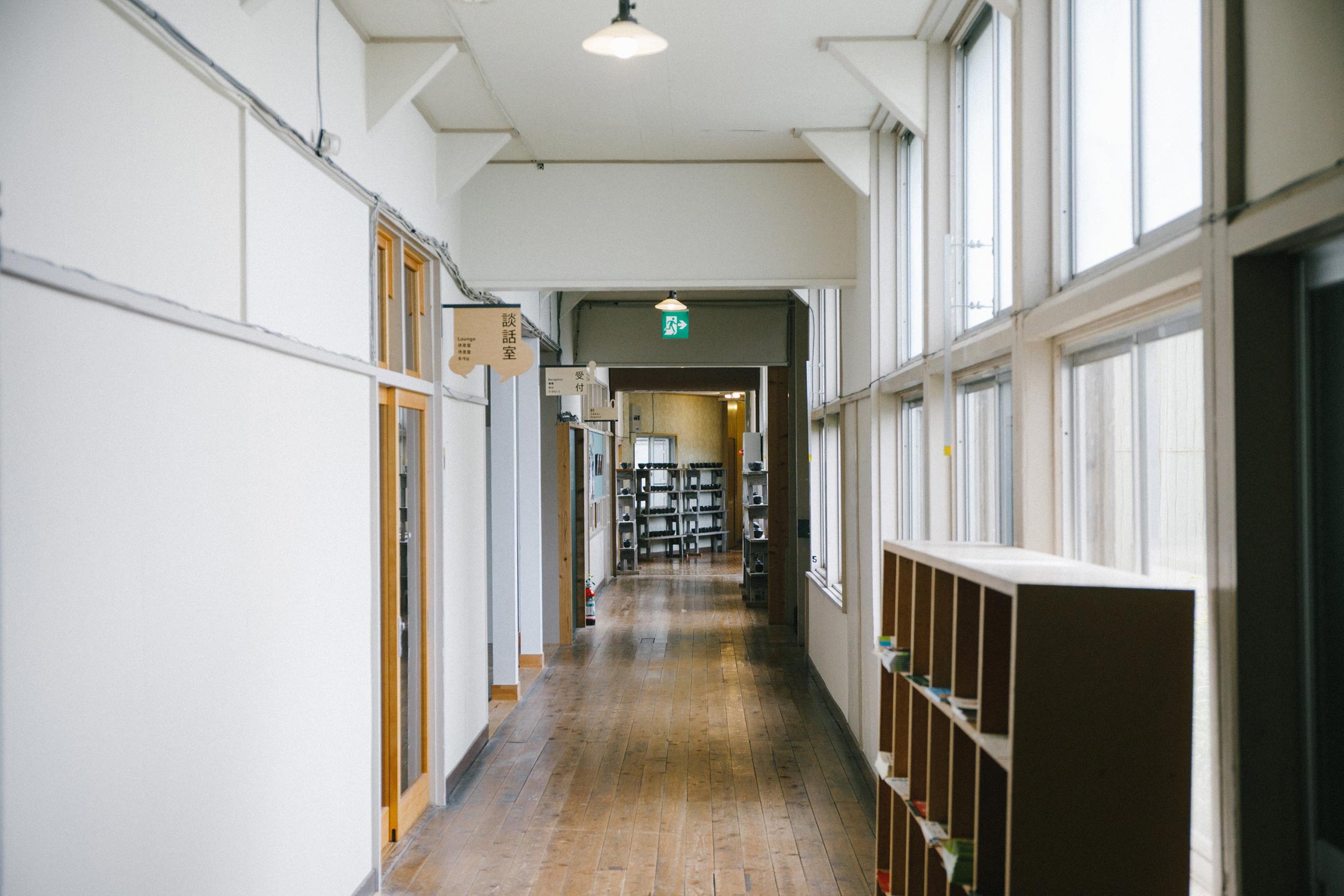
Next, we head to “The Last Class,” where the entire abandoned school has been transformed into an artwork. Christian Boltanski, who had previously presented an artwork at this same location in 2003, reportedly returned to the site in the winter of 2006—a season marked by record-breaking snowfall—to create this new artwork. Inspired by a landscape entirely different from that of summer, he captured the quiet atmosphere of a space sealed off by deep snow for about half a year, and expressed it through this artwork in the abandoned school.
The experience of viewing the work while wondering, “What must Boltanski have felt when he came here?” may leave you with an impression quite different from that of summer.
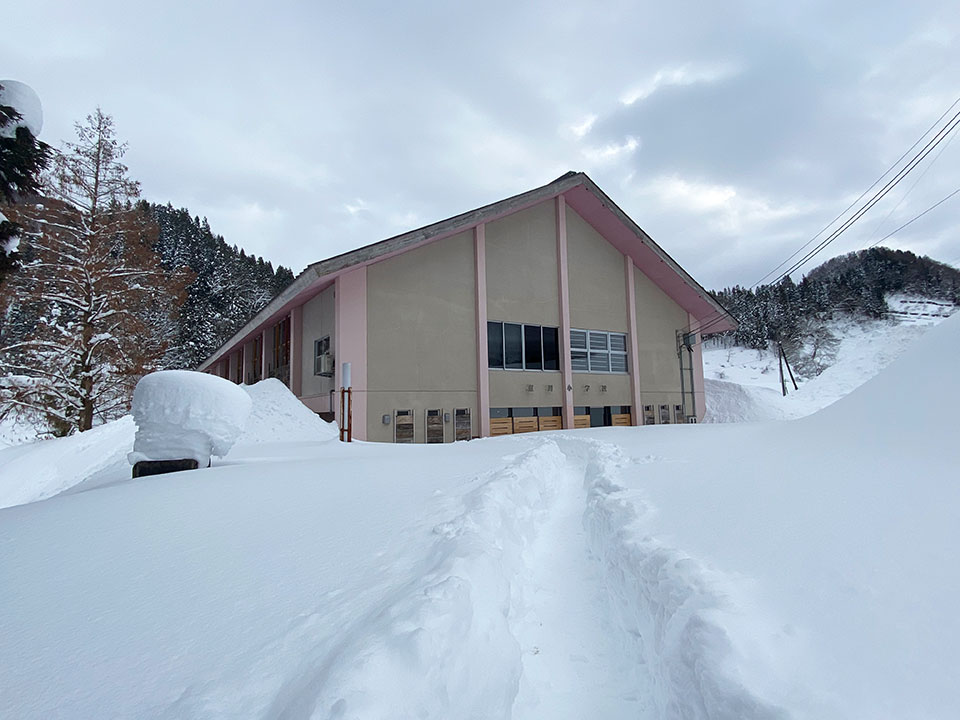
The former Higashikawa Elementary School, where “The Last Class” is being held
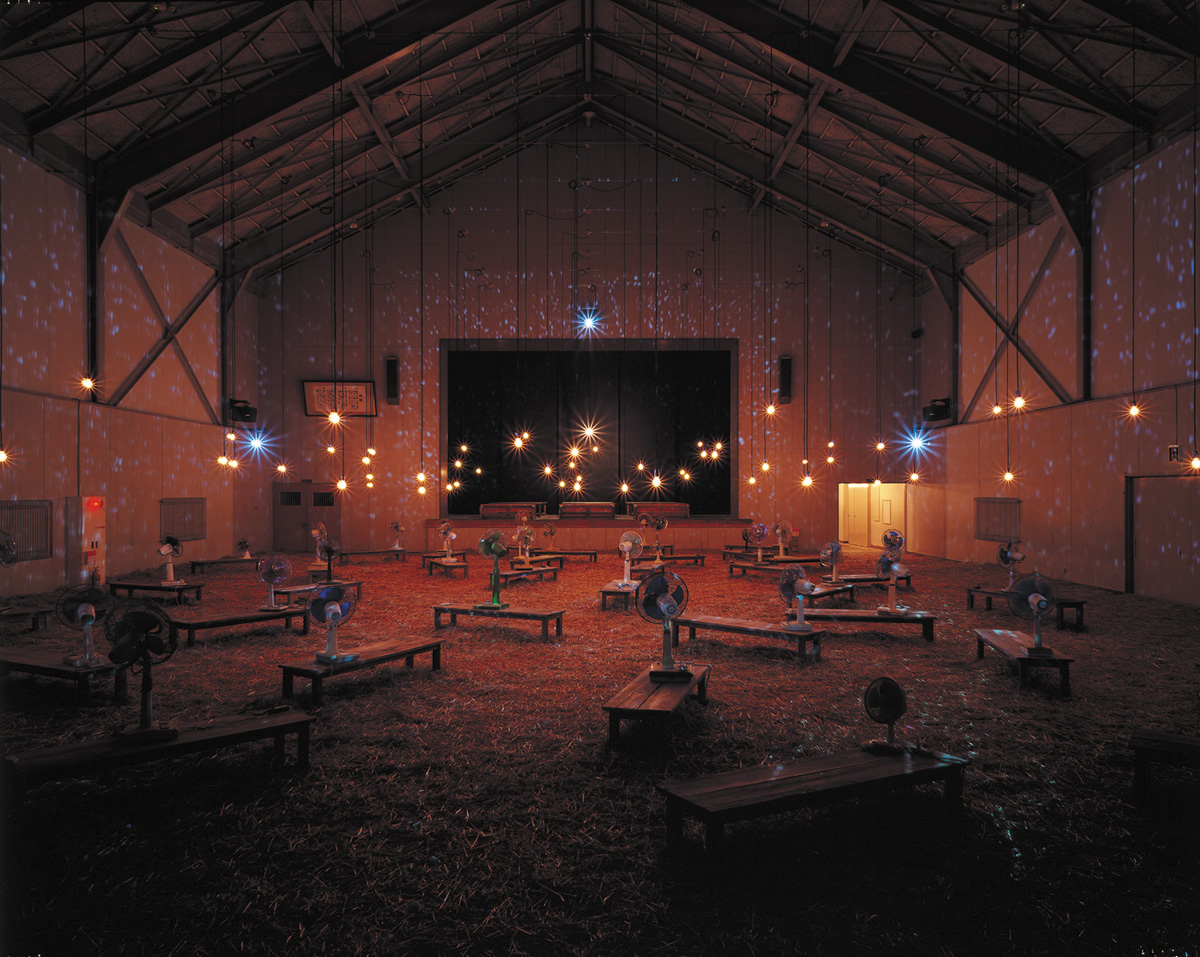
Christian Boltanski+Jean Kalman, “The Last Class,” photo by T. Kuratani
The tour ends at around 5:00 p.m. at Echigo-Yuzawa Station. While you can participate as a day trip, we highly recommend taking the opportunity to soak in a hot spring and relax to ease the fatigue of your journey.
For those who feel “One day isn’t enough!”, we recommend this two-day, one-night tour. In addition to the above, this itinerary includes participating in the “Bird Chasing” and “Dondo-yaki” festivals—traditional Little New Year celebrations held in the Sansho district of Matsunoyama to pray for a bountiful harvest—and staying at “Sansho House,” an accommodation facility for the Echigo-Tsumari Art Field housed in a renovated former school.
Guides Brimming with Love for the Arts Festival
And the best part of the Official Tour is, without a doubt, the guides!
Volunteer supporters and staff who are passionate about the art festival will guide you throughout the day. If you listen to the guides’ commentary while riding in the bus, you’ll be able to spot artworks from the window that you might otherwise miss on your own.
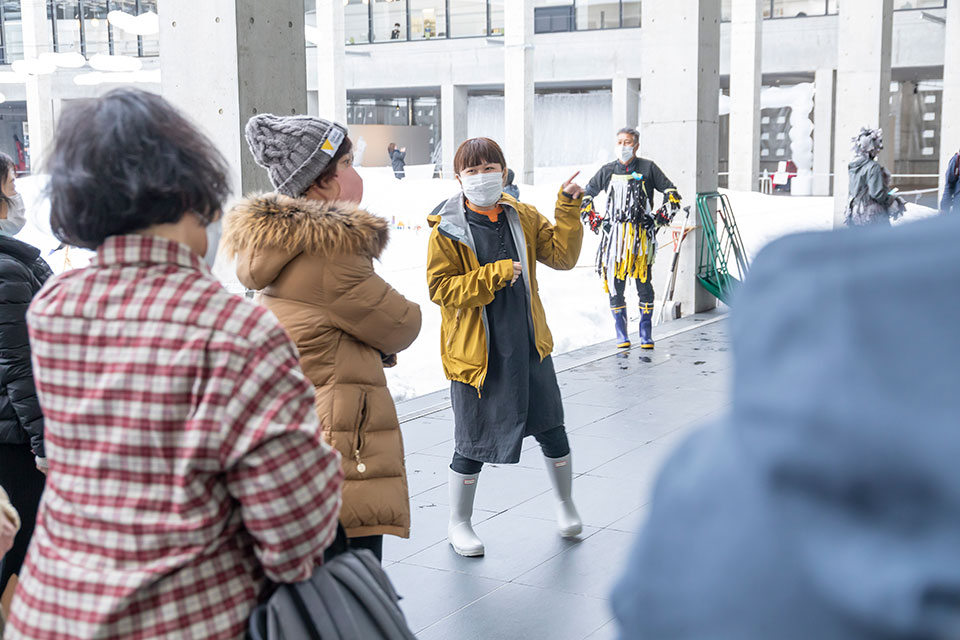
Photo by Nakamura Osamu
Ms. Ishii, who works as a guide, lives in Tokyo but has made numerous trips to Echigo-Tsumari to deepen her knowledge, and she now guides visitors as a volunteer guide.
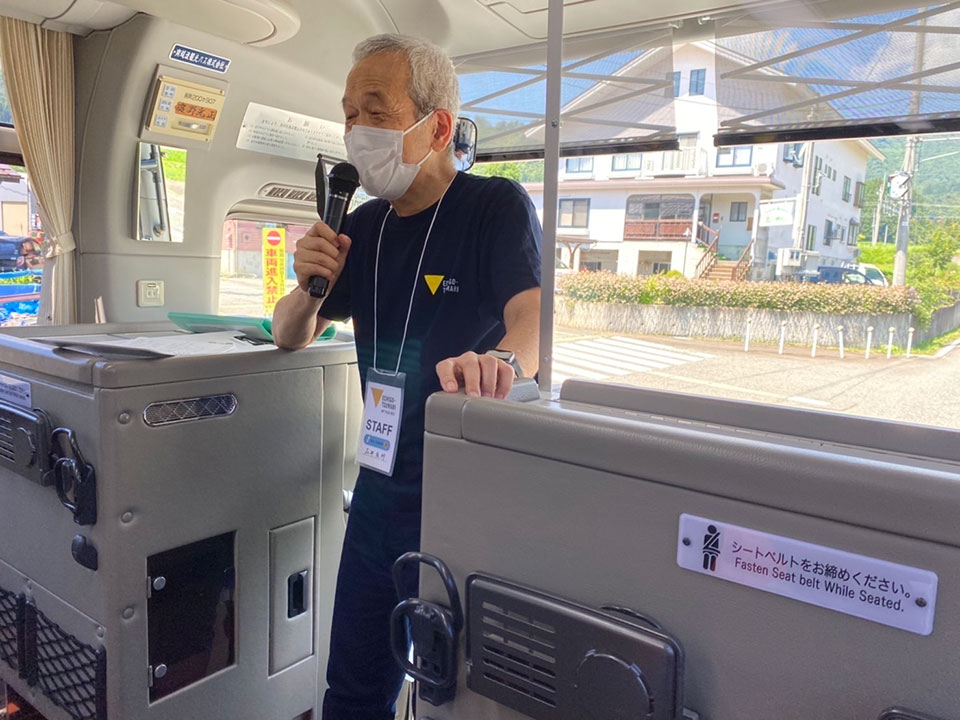
People often tell me, “You seem to be having the most fun of all.” It makes me incredibly happy when guests I’ve guided for the entire day say to me, “That was fun. I’ll be back!” I strive to be a guide who can reflect on contemporary art with my guests, enjoy it together, and find it fascinating together.
Her gentle expression clearly conveys how much she genuinely enjoys interacting with visitors. And here’s what guests who’ve actually taken her tour have to say:
“I could really feel the guides’ deep connection to Tsumari, and I feel like I gained at least a little understanding of the region’s nature and way of life. It wasn’t just about viewing contemporary art—it was a joyful experience where I could savor and feel the entire place through its connection to the local nature and people.”
“I was deeply moved by how much the volunteer guides love this art festival! I also strongly felt that this is an art festival unique to a naturally beautiful region facing depopulation and an aging population.”
Tour participants range from first-timers to repeat visitors who’ve come five or more times. One of the charms of the Echigo-Tsumari Art Field is that you can enjoy it with all five senses even without prior knowledge of art, such as the meaning or background of the artworks. However, hearing the guides’ explanations about the context behind the artworks allows you to appreciate the artworks you’ve already seen from a slightly different perspective.
For example, take this artwork, “Boys with Red Loin Cloths Returned,” whose figure standing in the snow is utterly charming. It’s an artwork packed with the story of how it has been loved and cherished by the local community.
When you visit, be sure to ask your guides about what this artwork is all about.
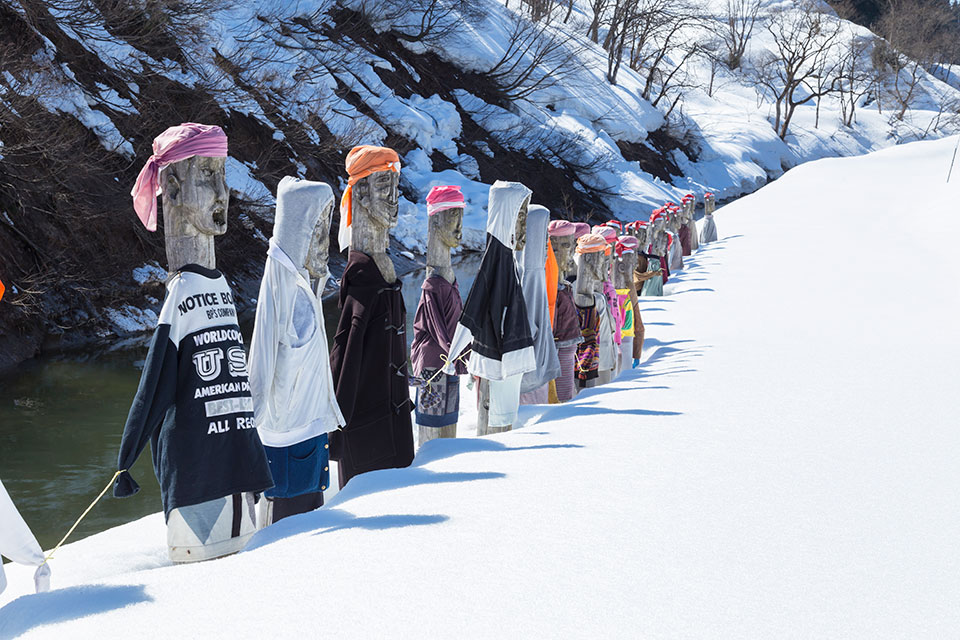
Sekine Tetsuo, “Boys with Red Loin Cloths Returned,” photo by Nakamura Osamu
Winter in Echigo-Tsumari isn’t just beautiful—it also lets you feel the resilience of the people who have lived flexibly through the changing seasons. And I feel that the artworks, inspired by the snowy landscape, convey the beauty of refining and expressing what is already here.
Please take this opportunity to visit Echigo-Tsumari in winter, where you can experience the snowy scenery, the art, and the warmth of the local community.
Text: Ayu Sato / NPO Echigo-Tsumari Satoyama Collaborative Organization

Articles



Latest Articles
Stay connected with the ETAT official social media to receive the latest news and event information, and the many seasonal faces of Echigo-Tsumari as well as new issue of the ETAT official media, “Art from the Land”.