

Thinking 21st century art in the world from Niigata
Echigo-Tsumari Art Field - Official Web Magazine
Feature / Visiting Echigo-Tsumari with… Vol. 8
Viewing the Echigo-Tsumari Art Triennale 2024 through the Lens of Official Photographer Kanemoto Rintaro
Kanemoto Rintaro (Photographer)
In this first instalment, we bring you a photographic tour of Echigo-Tsumari captured by official photographer Kanemoto Rintaro. Seen through a wide range of perspectives, these images are sure to make you want to visit Echigo-Tsumari yourself.
Photo by Kanemoto Rintaro
29 August 2024
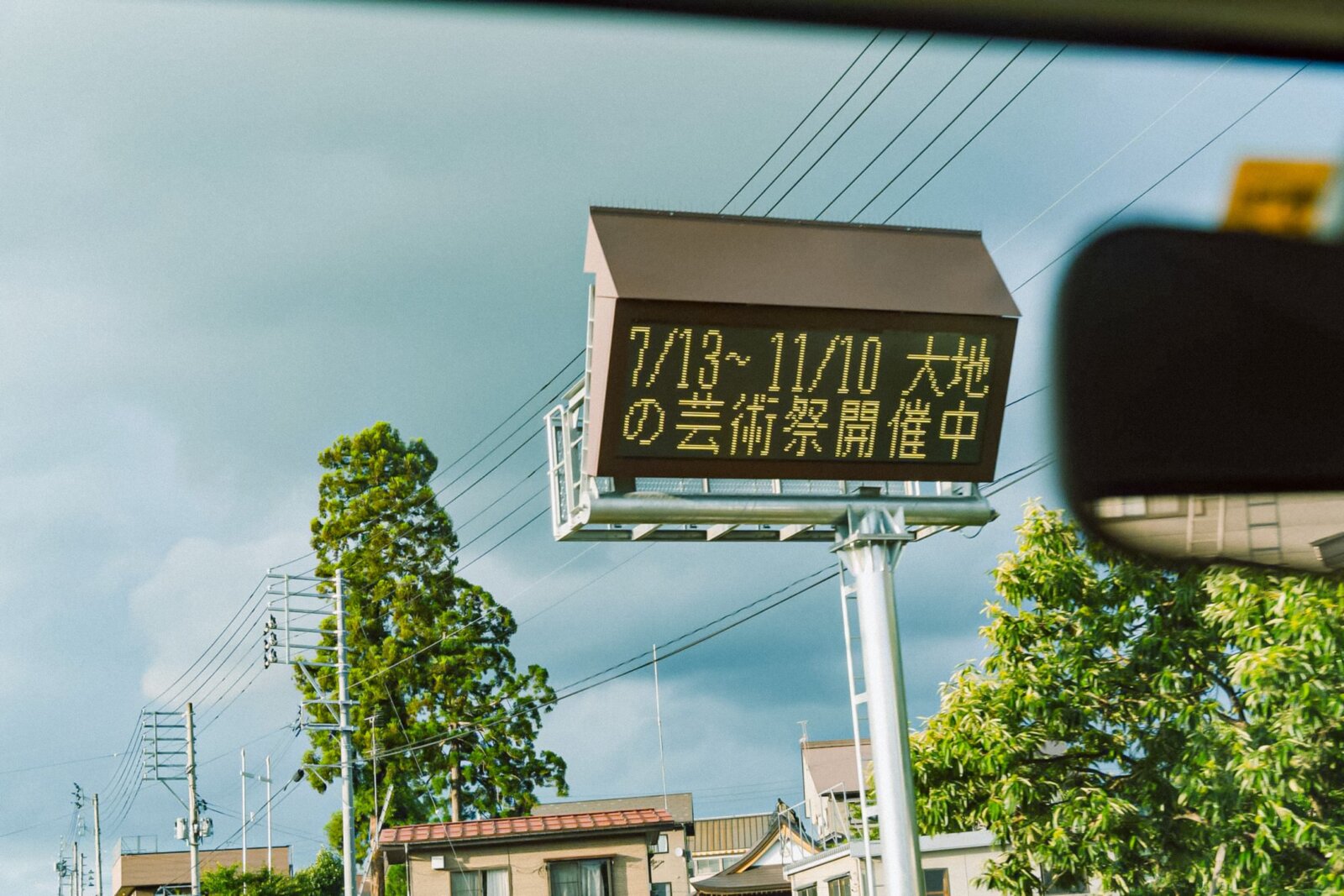
Photo Kanemoto Rintaro
At the Echigo-Tsumari Art Triennale 2024, more than 200 permanent works are joined by nearly 100 new and newly developed works, colouring the entire Echigo-Tsumari region. In this feature, we offer a photo tour that conveys the atmosphere of the Triennale as it is now, seen through the eyes of official photographer Kanemoto Rintaro.
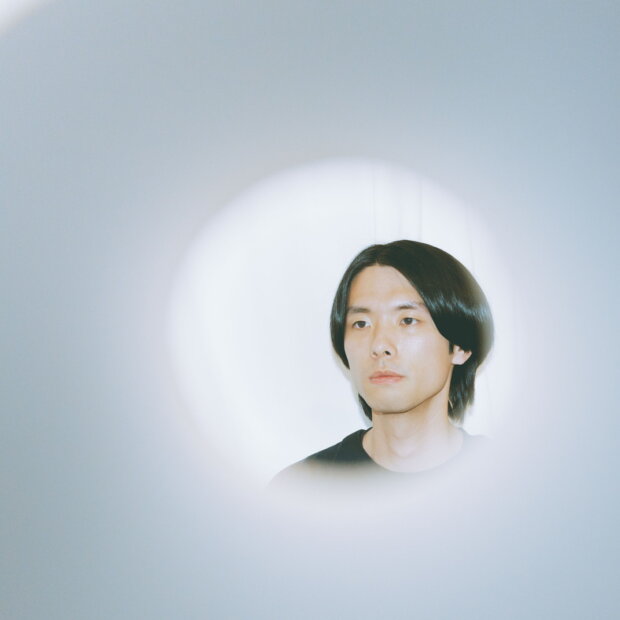
Profile
Kanemoto Rintaro
Hiroshima, 1988
Born in Hiroshima Prefecture in 1998.
Kanemoto began photography after developing an interest in observing wild birds during his primary school years. In 2020, he started working as a freelance photographer based in Tokyo. In addition to shooting for magazines, web media, and advertising across a wide range of genres, he actively pursues his own artistic practice through photobooks and exhibitions.
Echigo-Tsumari Art Triennale 2024 - A Gateway to Echigo-Tsumari — A Facility that Embodies the Triennale’s Concept
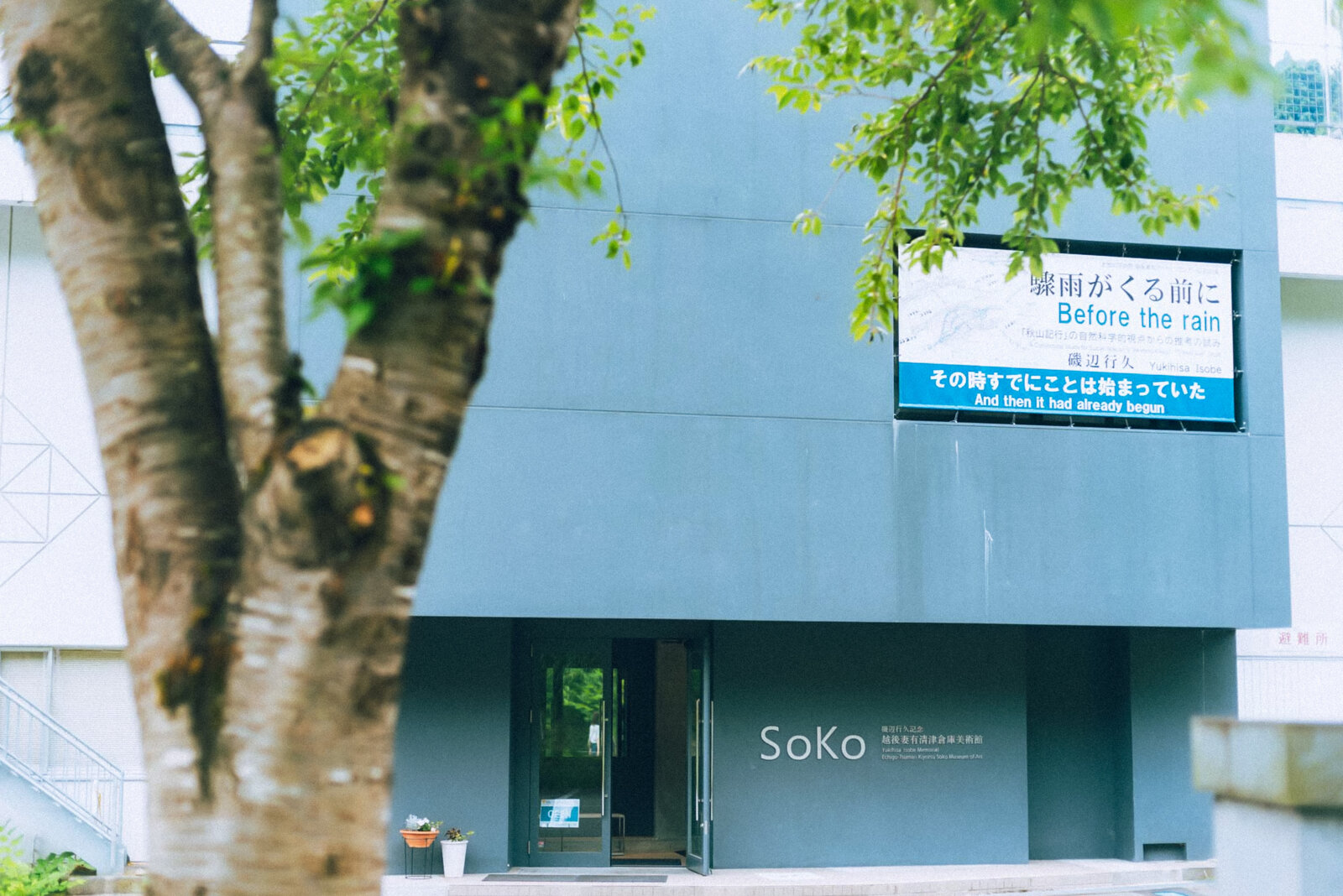
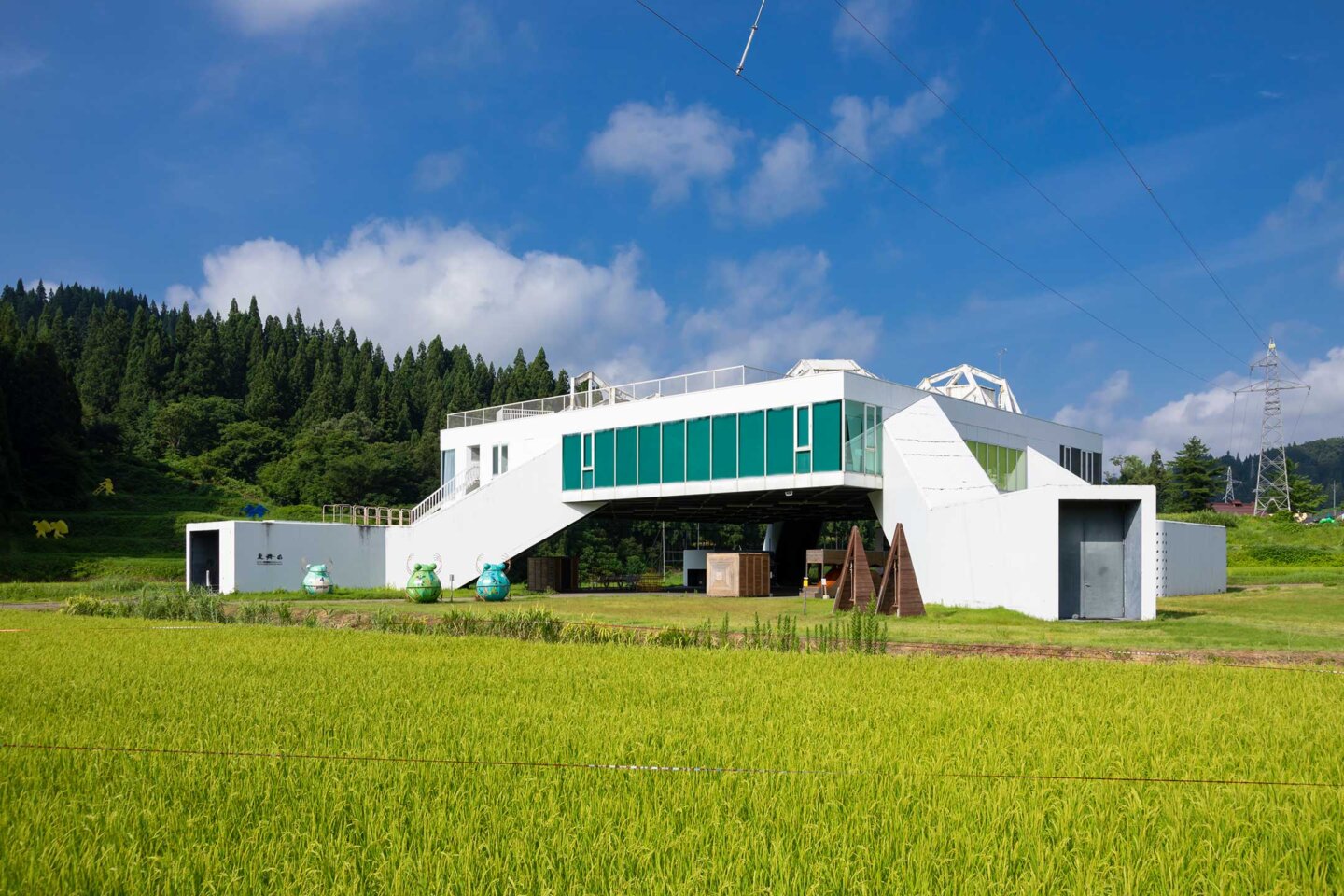
Isobe Yukihisa Memorial Echigo-Tsumari Kiyotsu Soko Museum of Art [SoKo]
Photo: Kanemoto Rintaro
Located at the entrance to Echigo-Tsumari from Echigo-Yuzawa Station, the Isobe Yukihisa Memorial Echigo-Tsumari Kiyotsu Soko Museum of Art [SoKo] serves as a gateway to the region. Here, visitors can gain insight into the activities and regional perspective of Isobe Yukihisa, who has been involved with Echigo-Tsumari since the earliest days of the Triennale’s conception. The museum offers a deeper understanding of the geography and terrain of the Echigo-Tsumari region—Tokamachi City and Tsunan Town—where Triennale artworks are spread.
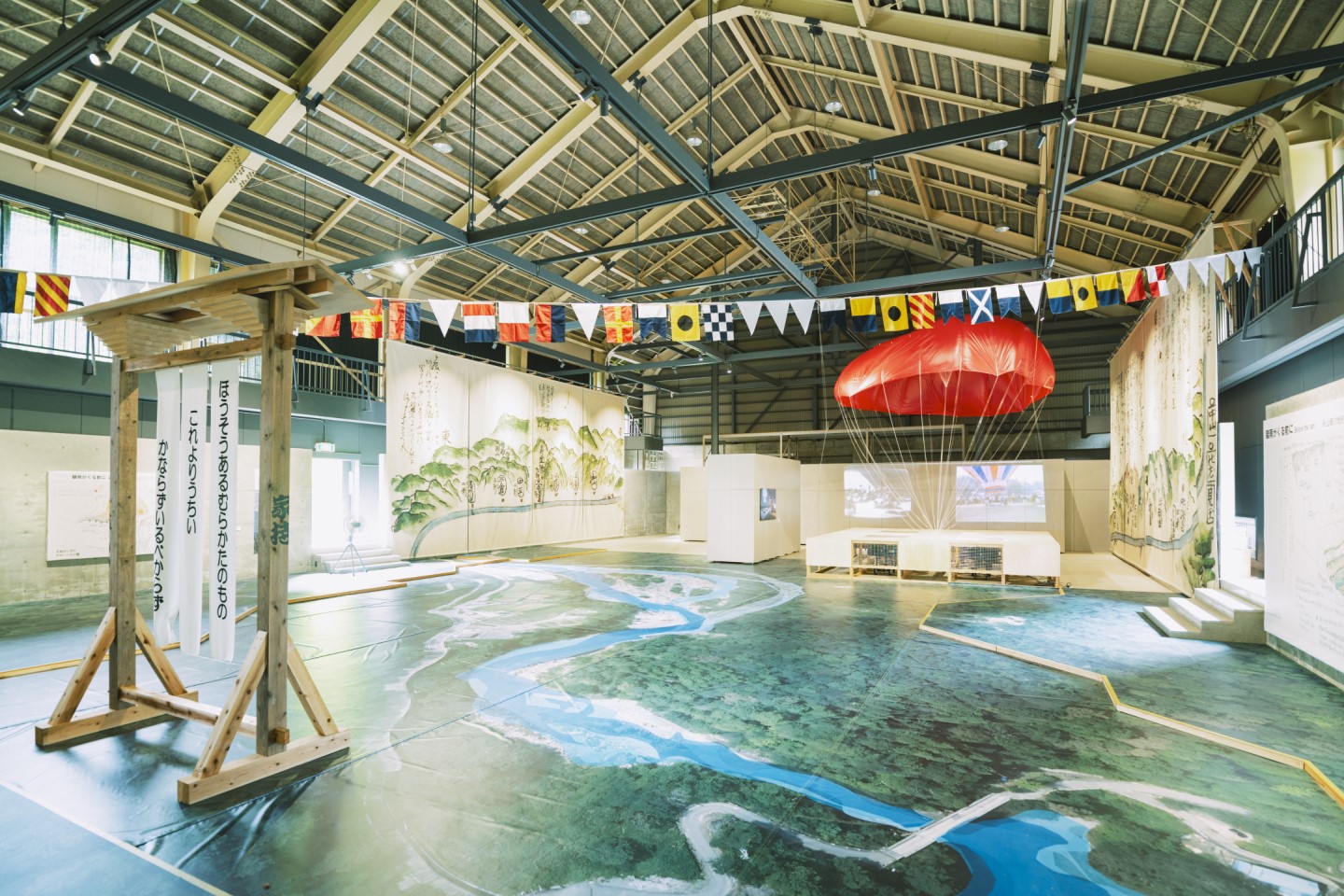
This year, Isobe Yukihisa presents a new work created in Kiyomizugawara, Akiyama-go, inspired by Akiyama Kikō by Suzuki Bokushi:
Before the rain – A Conjectural Study for Suzuki Bokushi’s “Akiyama Kikou” : “Travelogue”1828-No.2
At the Kiyotsu Soko Museum gymnasium, visitors can enjoy a dynamic installation that recreates this project through aerial photography.
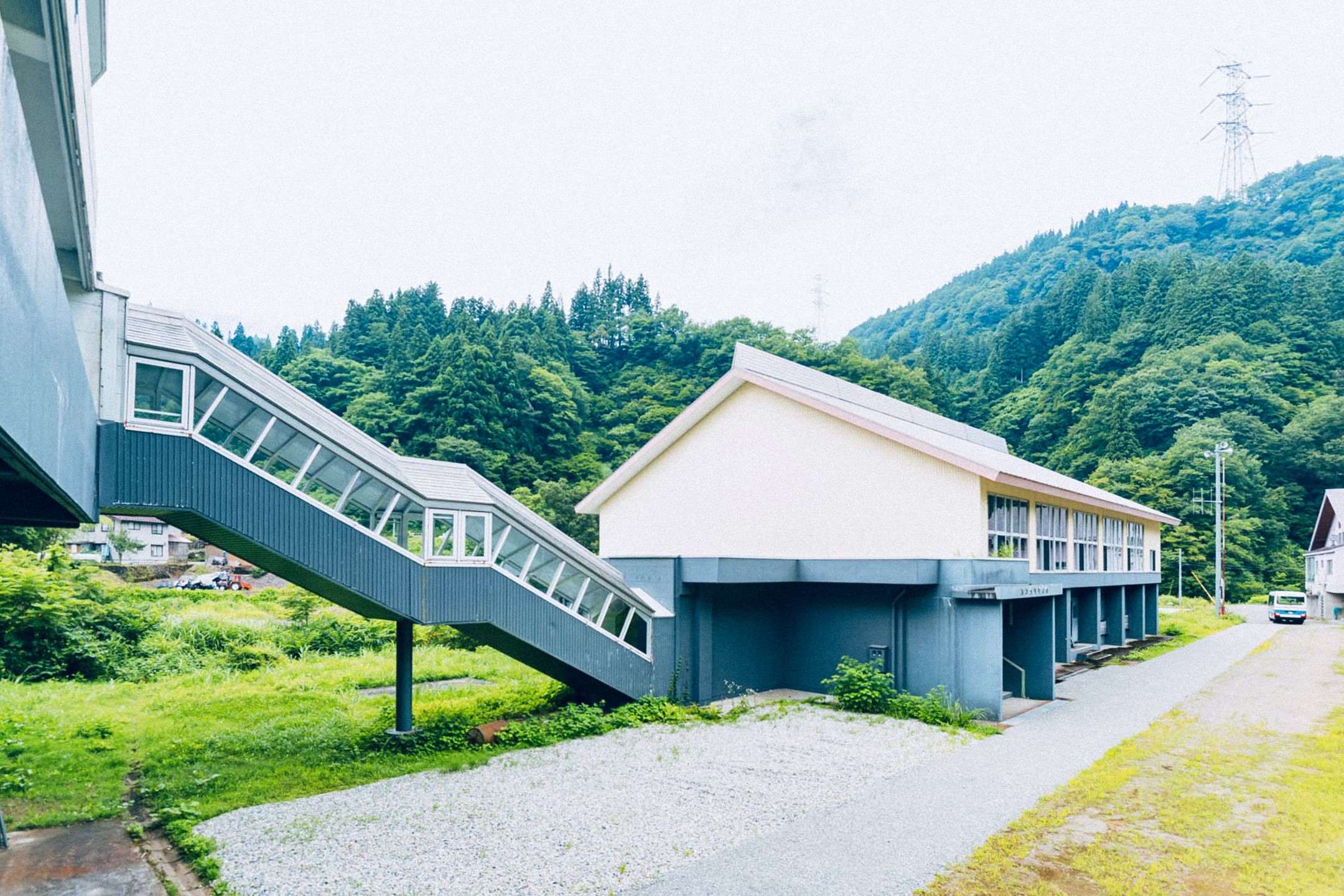
The former Kiyotsukyo Elementary School, renovated and redesigned by Yamamoto Sotaro
(Isobe Yukihisa Memorial Echigo-Tsumari Kiyotsu Soko Museum of Art [SoKo])
Photo: Kanemoto Rintaro
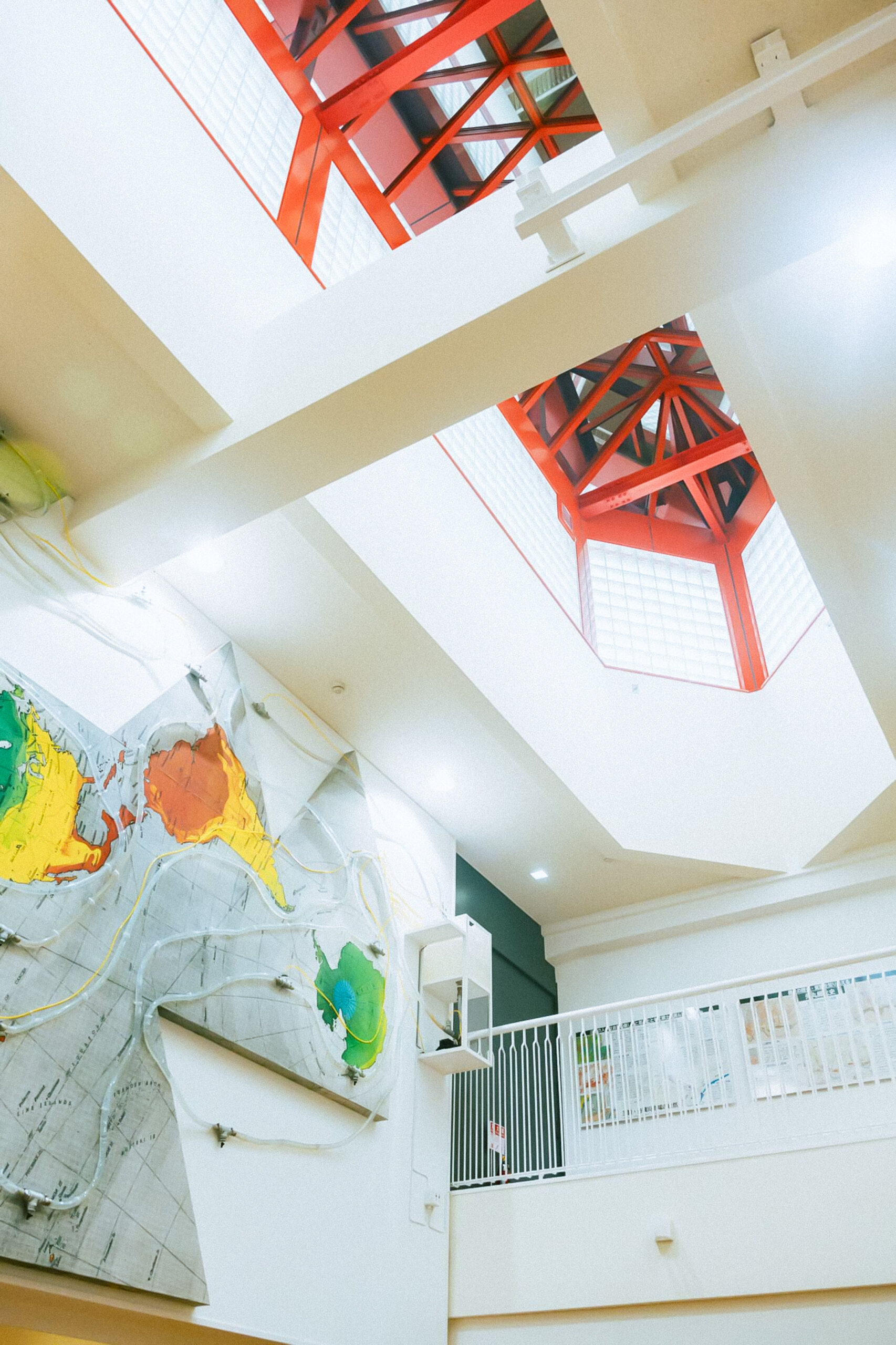
School building wing, Kiyotsu Soko Museum
Photo: Kanemoto Rintaro
Satoyama Landscapes with Open Vistas as the Stage for Art
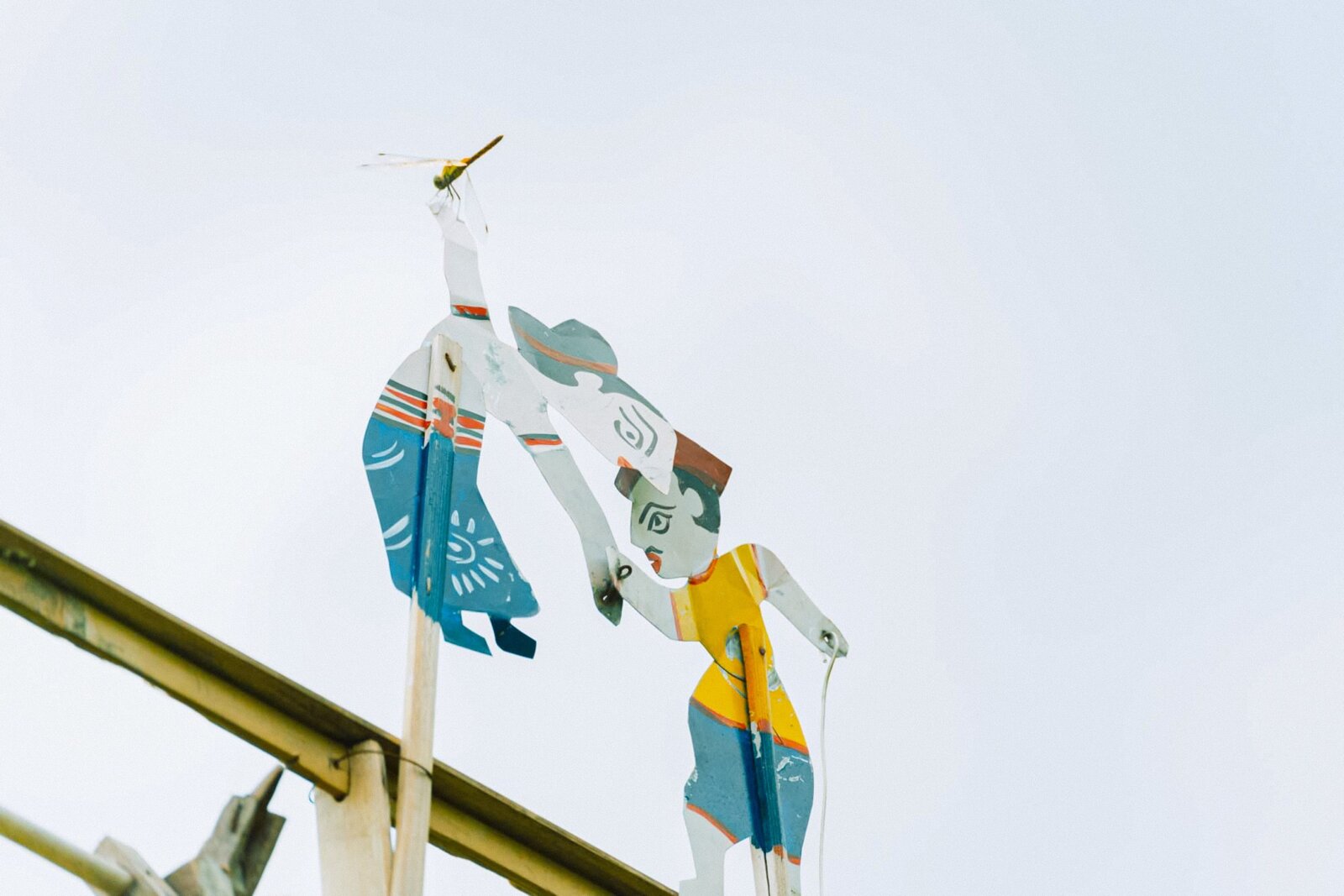
Dadang Christanto
Cakra Kul-Kul at Tsumari
Photo: Kanemoto Rintaro
This work by Indonesian artist Dadang Christanto has continued since 2006. Scenes of agricultural life in Bali are translated into moving elements that respond to the wind, producing a cool, clattering sound. This year, scenes from agricultural work in Echigo-Tsumari have been incorporated into the piece, updating it further. As the work is only exhibited once every three years during the Triennale period, be sure not to miss it.
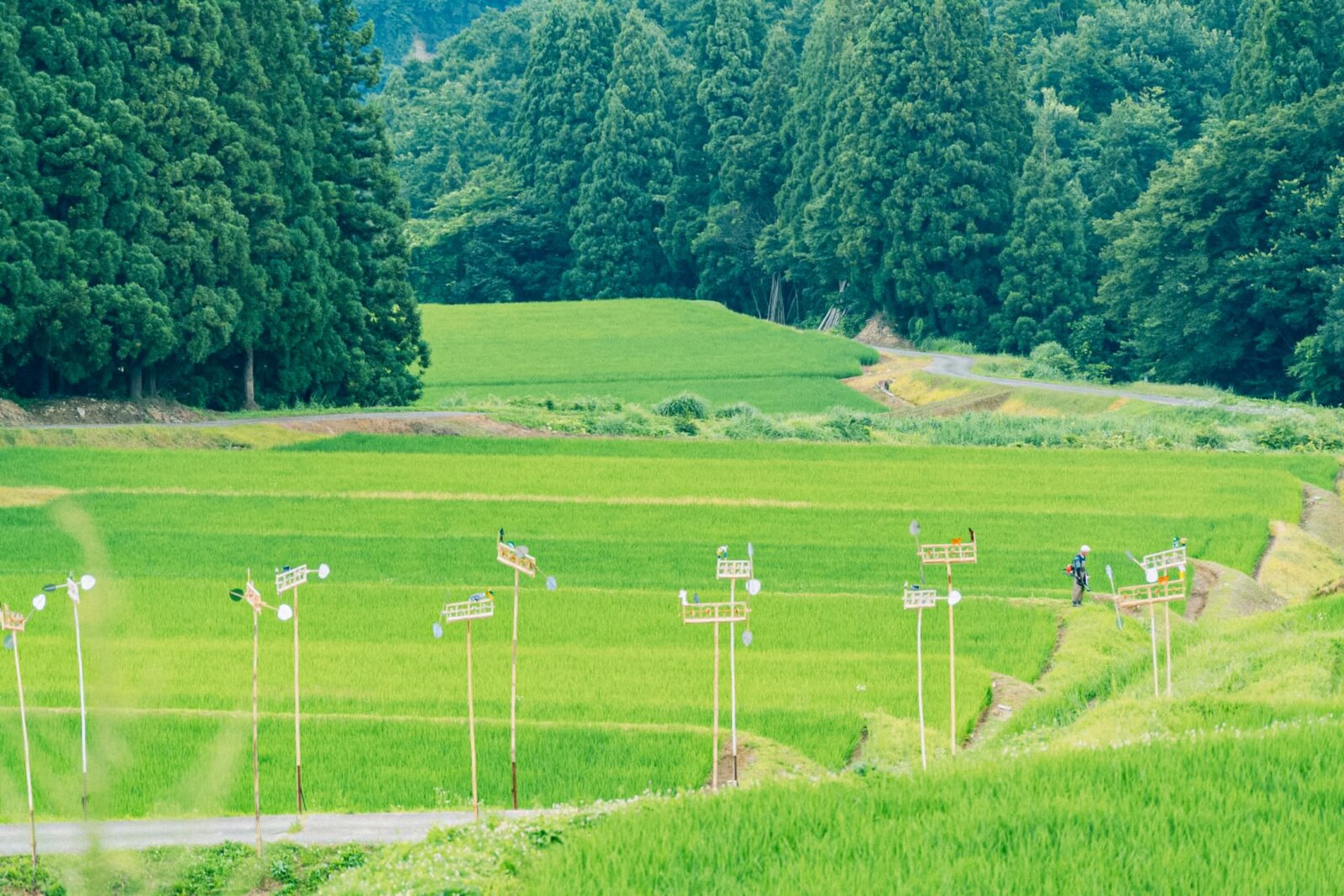
Photo: Kanemoto Rintaro
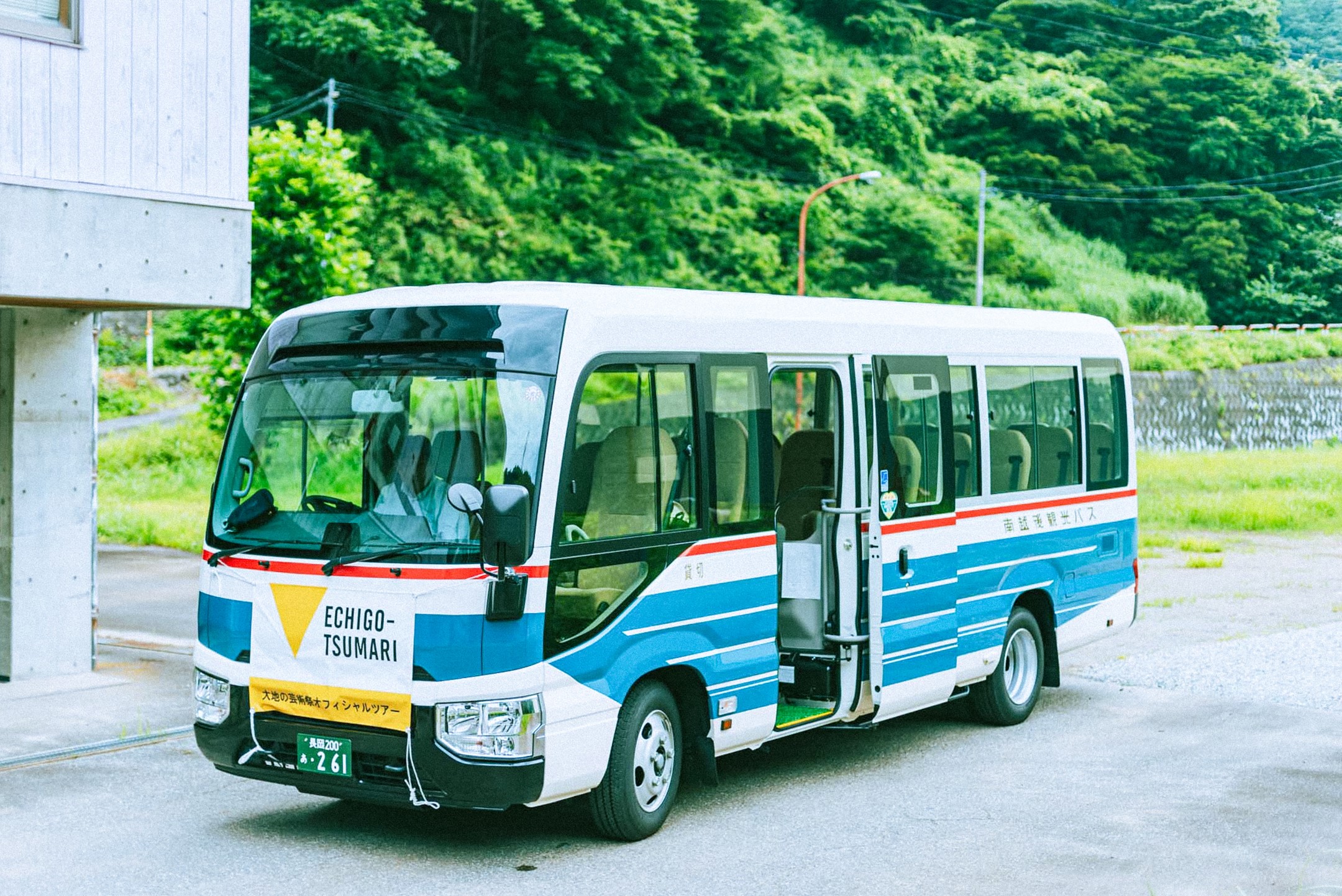
Cakra Kul-Kul at Tsumari can be viewed on Official Guided Tour C: Tsunan–Nakazato Course.
Photo: Kanemoto Rintaro
Art in Dialogue with Local Industries
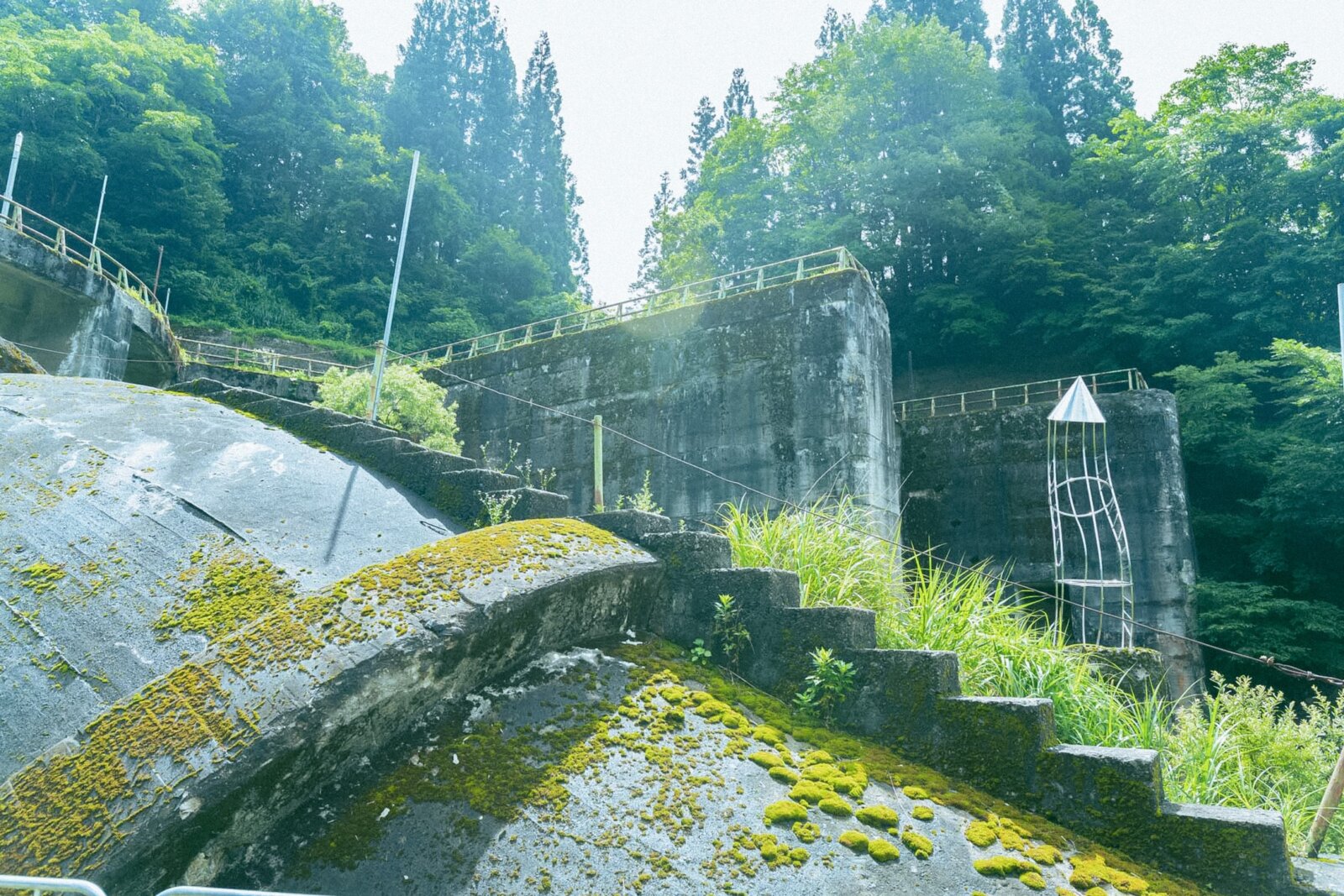
Nikita Kadan (Ukraine)
The Objects from Another Place
Photo: Kanemoto Rintaro
Because the Shinanogawa River—the longest river in Japan—runs through the Echigo-Tsumari region, hydropower generation has long been a key local industry. Nikita Kadan’s work is installed at the TEPCO Shinanogawa River Power Station regulating reservoir, a facility that channels water drawn in Nagano Prefecture to power stations along the Shinanogawa River in Niigata. At this site, an otherwise underground waterway briefly emerges above ground.
Beside this curiously shaped structure, Kadan has placed sculptures inspired by rocket-shaped playground equipment he often saw as a child, along with satellite motifs. Although the sculptures resemble playground apparatus, visitors are not permitted to approach them.
From Closed Shops to Active Stores - A Walk Through Owarino Shopping Street
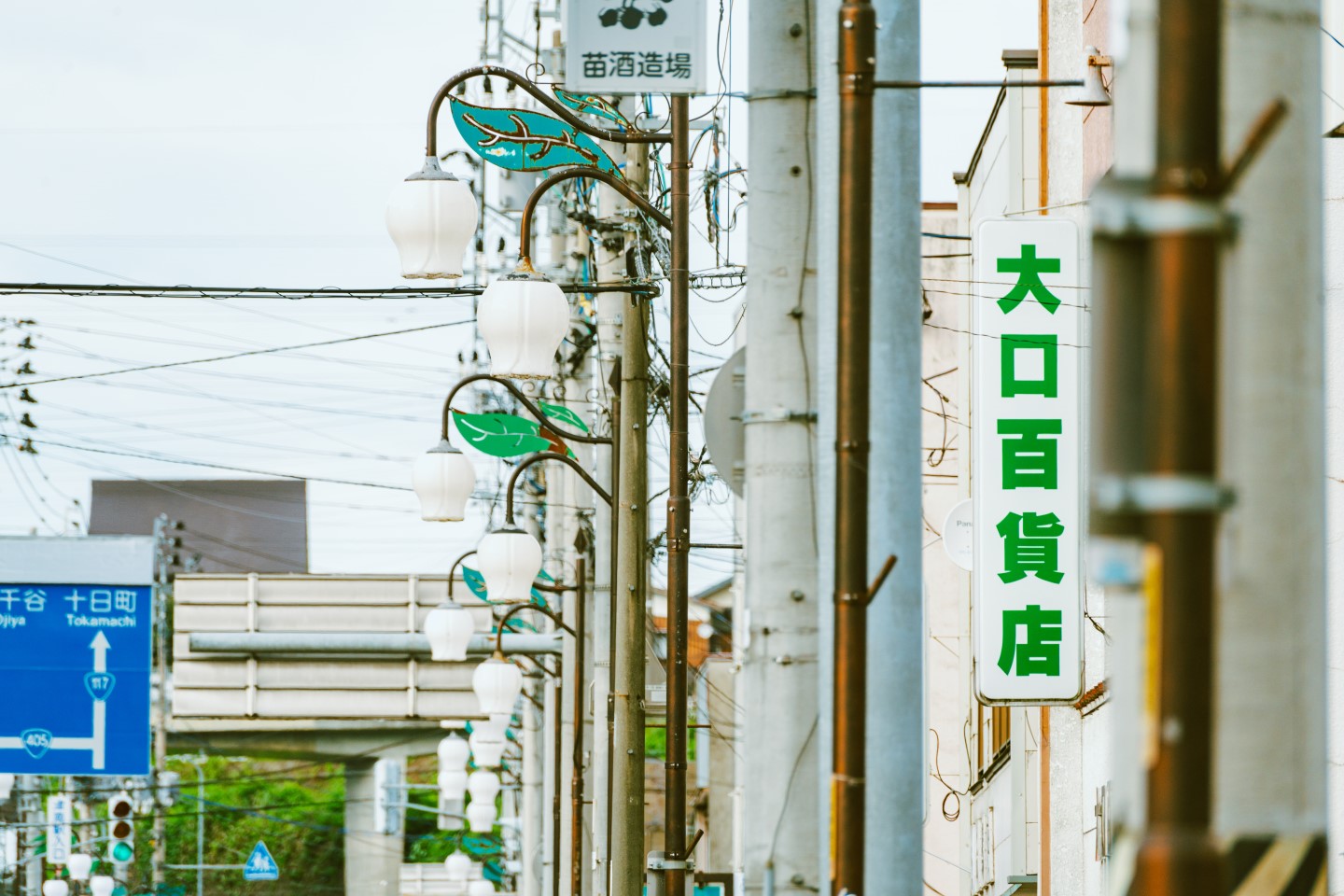
The Owarino shopping street, with its distinctive karinto-shaped streetlights
Photo: Kanemoto Rintaro
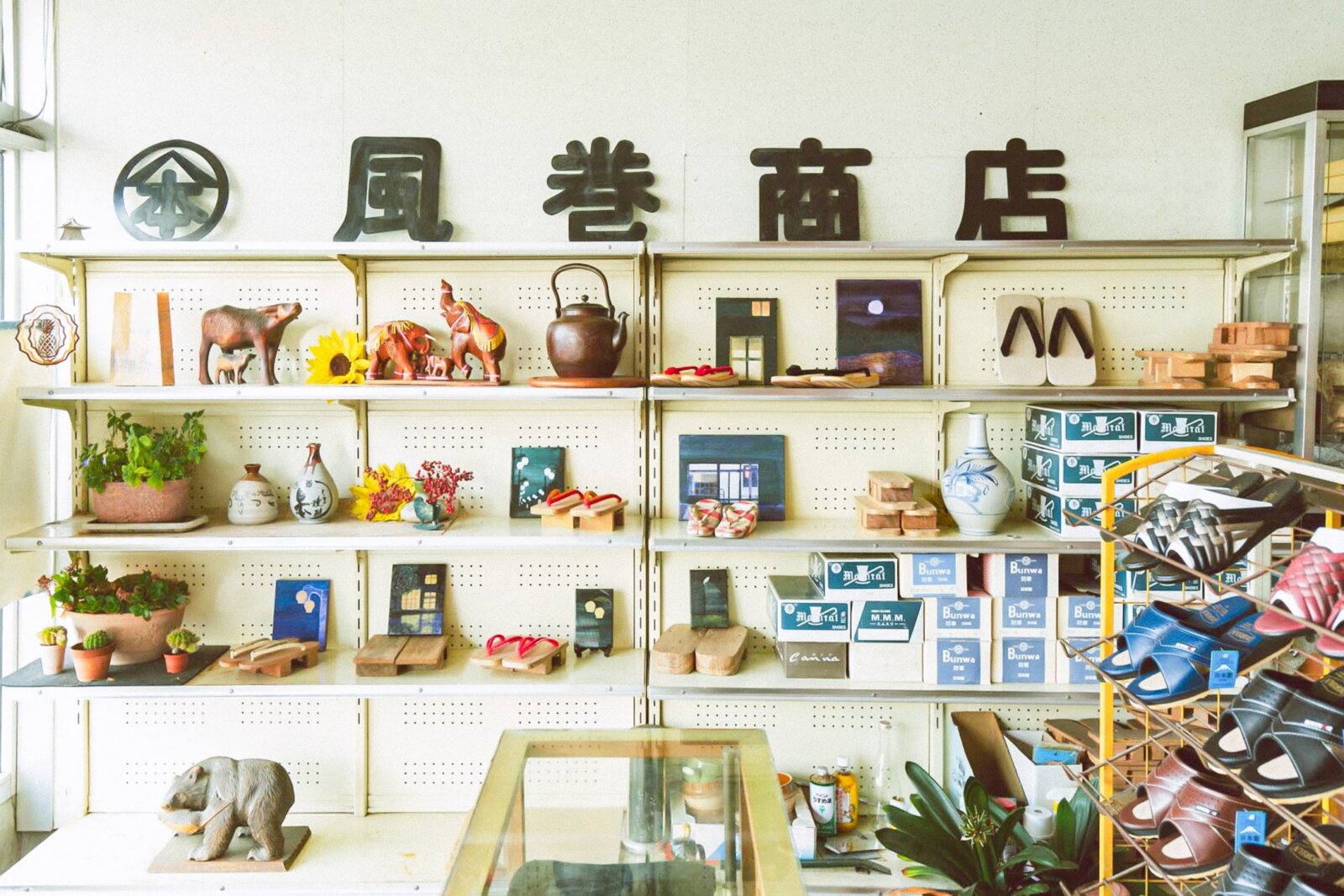
Arakaki Mina
Lights to Tsumari (Kazemaki Footwear Store)
Photo: Kanemoto Rintaro
Drawings inspired by night views encountered on the journey from Tokyo to Echigo-Tsumari are scattered across several shops along the street.
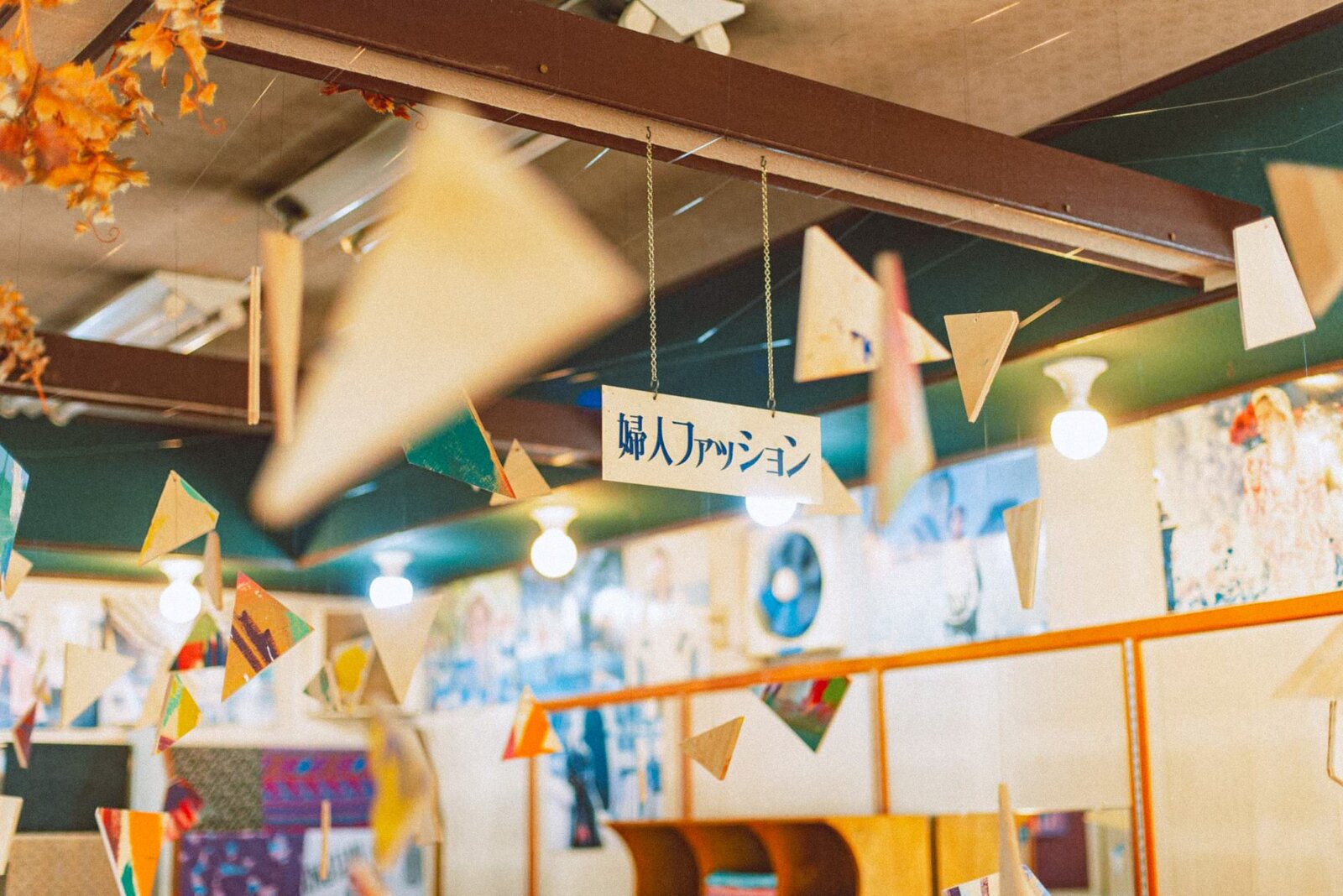
Kaji Seiya
How to pass on memories
Photo: Kanemoto Rintaro
During last winter’s Tsunan Snow Festival, Kaji Seiya held a colouring workshop with local children. Using the brightly coloured scrap materials produced there, a dragon has emerged inside the former Kanayama clothing store. The dragon’s form is something to be discovered in person.
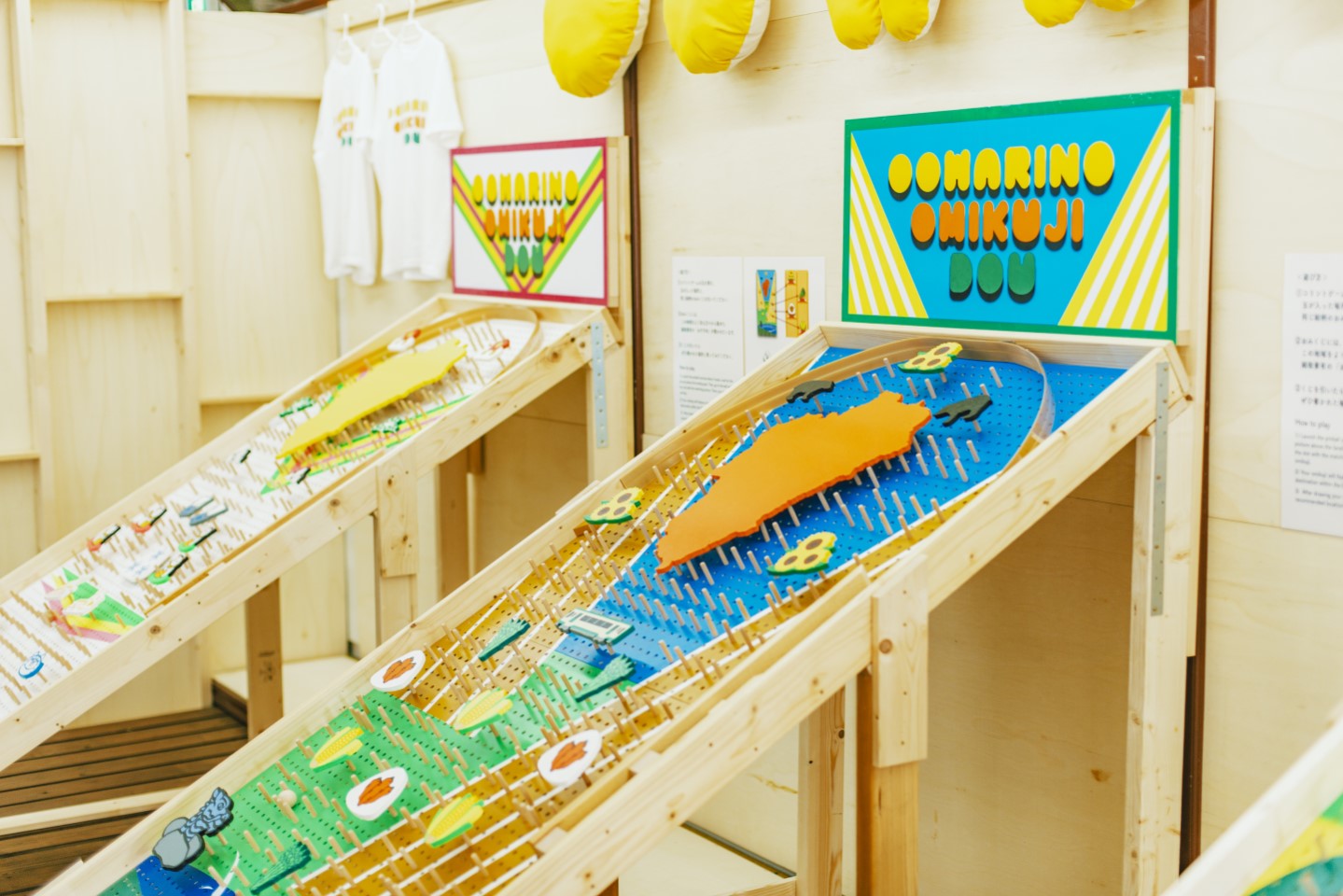
Sato Yu
OOWARINO OMIKUJIDOU (former Oguchi Department Store)
Photo: Kanemoto Rintaro
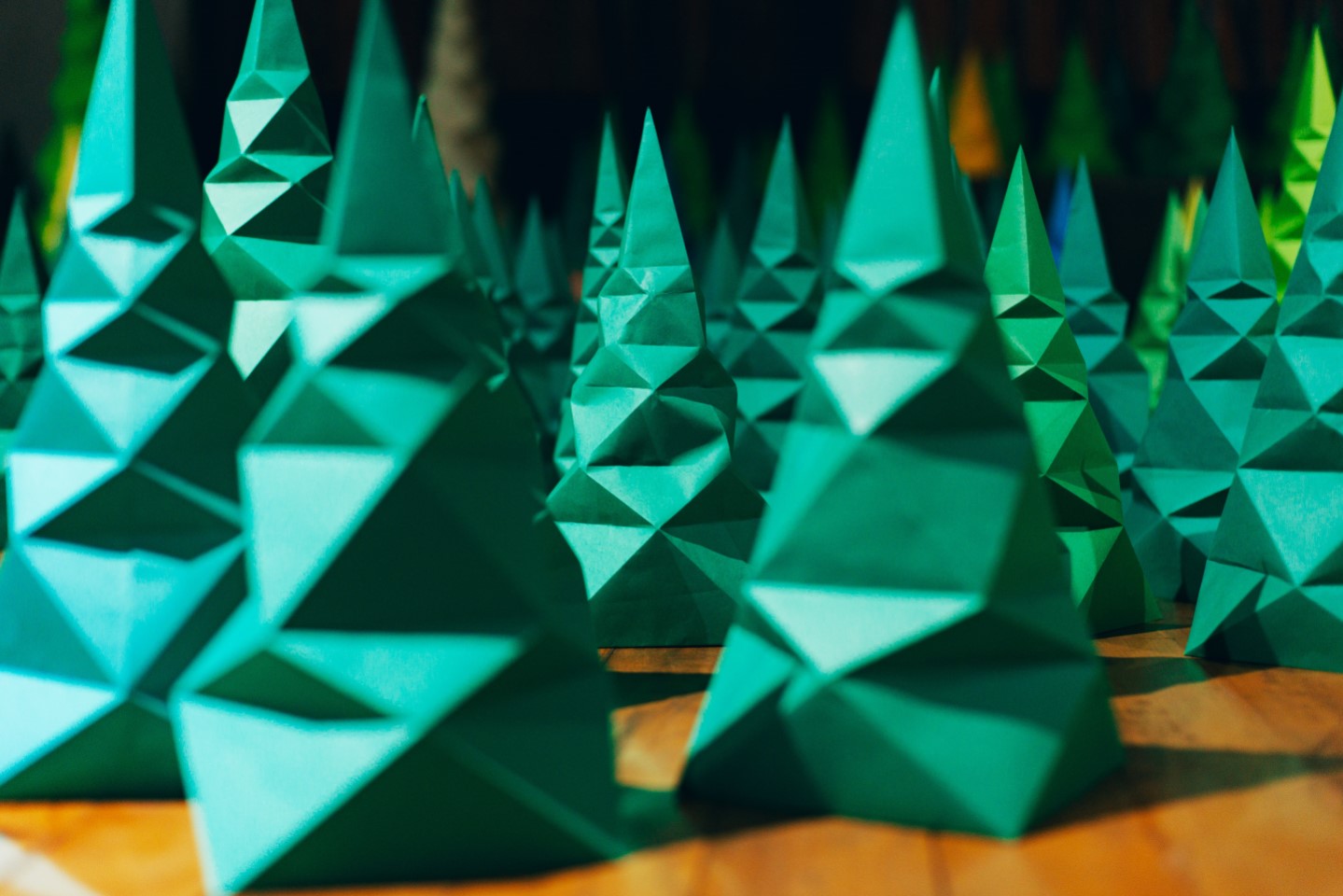
Fuse Tomoko
Origami: Tsunan Forest Made by Everyone (former Oguchi Department Store)
Photo: Kanemoto Rintaro
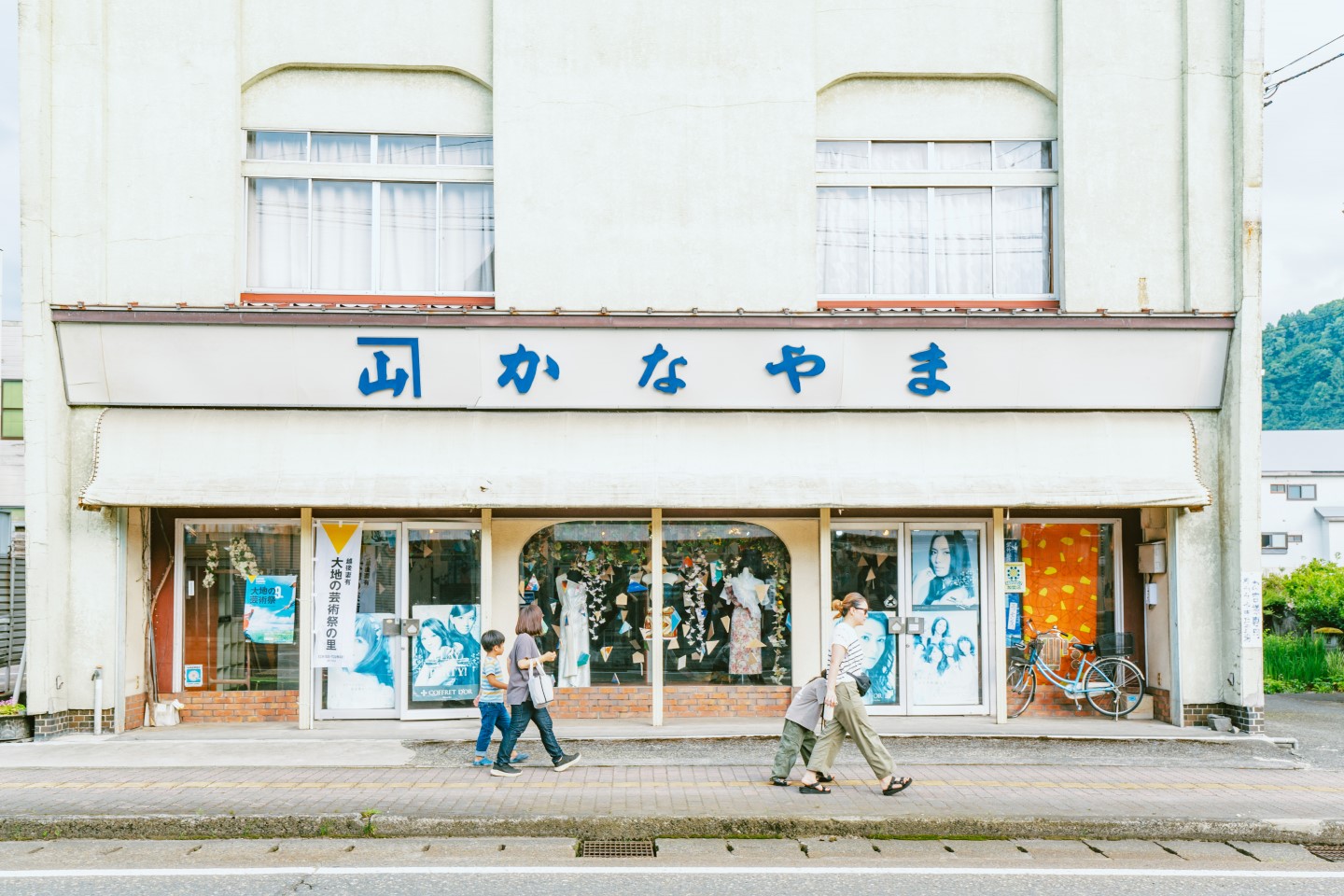
Former Kanayama store
Photo: Kanemoto Rintaro
Local Mothers Take Centre Stage - A Lunch Experience Rooted in Local Food
Echigo-Tsumari “Kamigo Clove Theatre” (Tsunan Area)
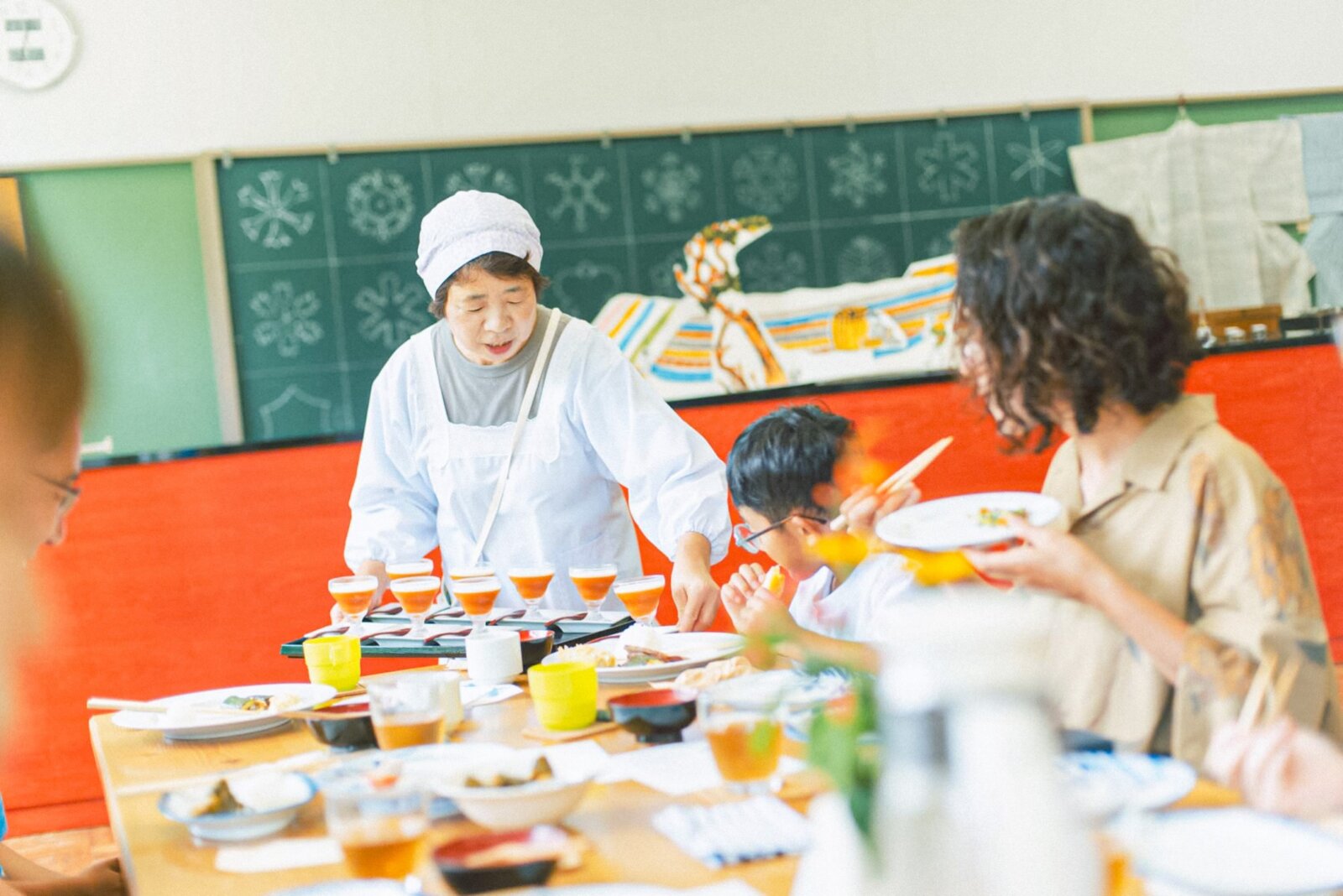
Photo: Kanemoto Rintaro
Continuing since 2015 under the supervision of EAT & ART TARO, the Kamigo Clove Theatre Restaurant returns this year with a script by Hara Rintaro + Hara Yu. Local women—affectionately known as onnashō—serve dishes made with Tsunan ingredients, presented in a theatrical format. Costumes and props, crafted with great care by the women themselves, are also highlights. Details of the performance and costumes are best enjoyed together with the meal on site.
Open Fridays, Saturdays, Sundays and public holidays from 13 July to 10 November
Advance reservations required
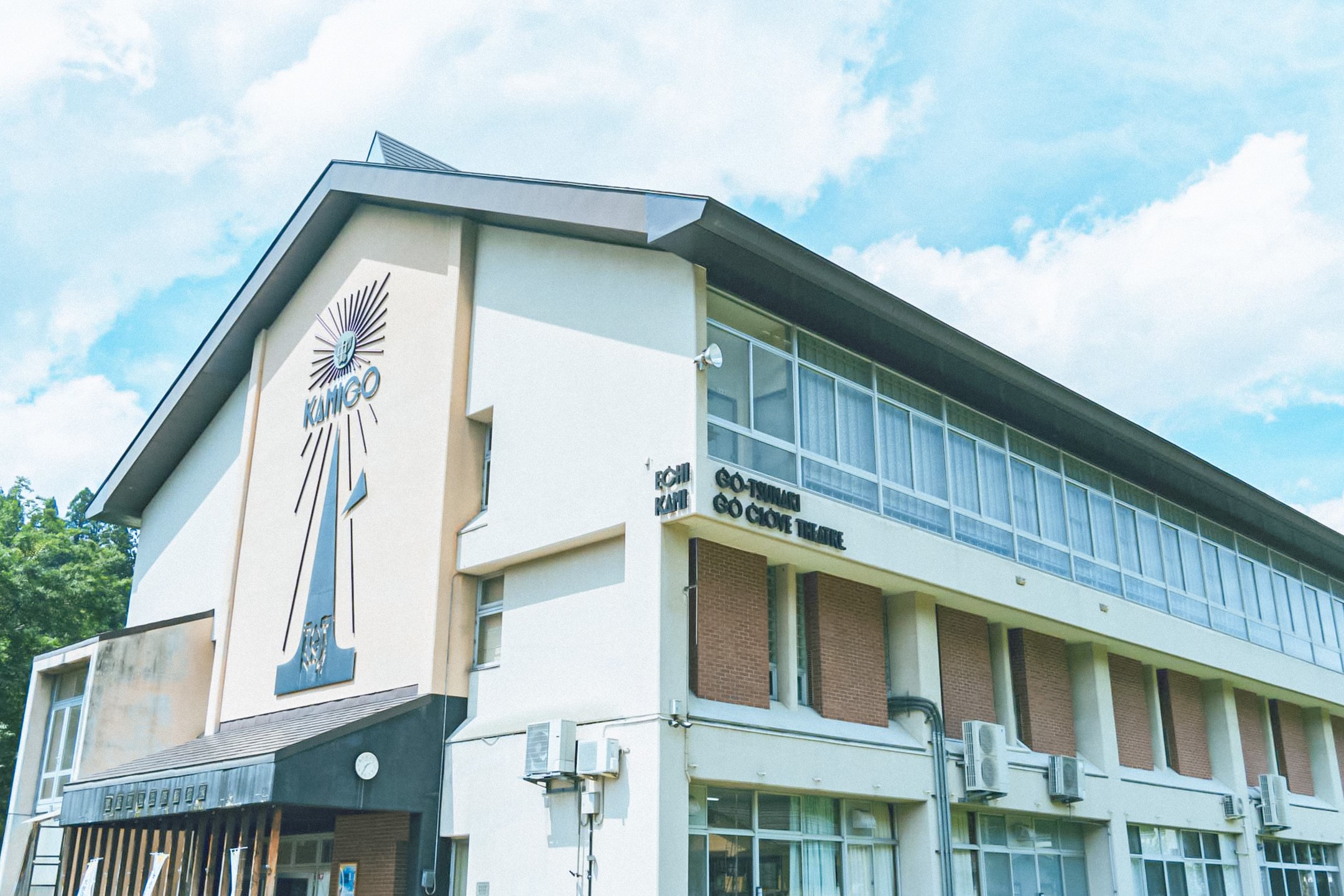
Echigo-Tsumari “Kamigo Clove Theatre”
Photo: Kanemoto Rintaro
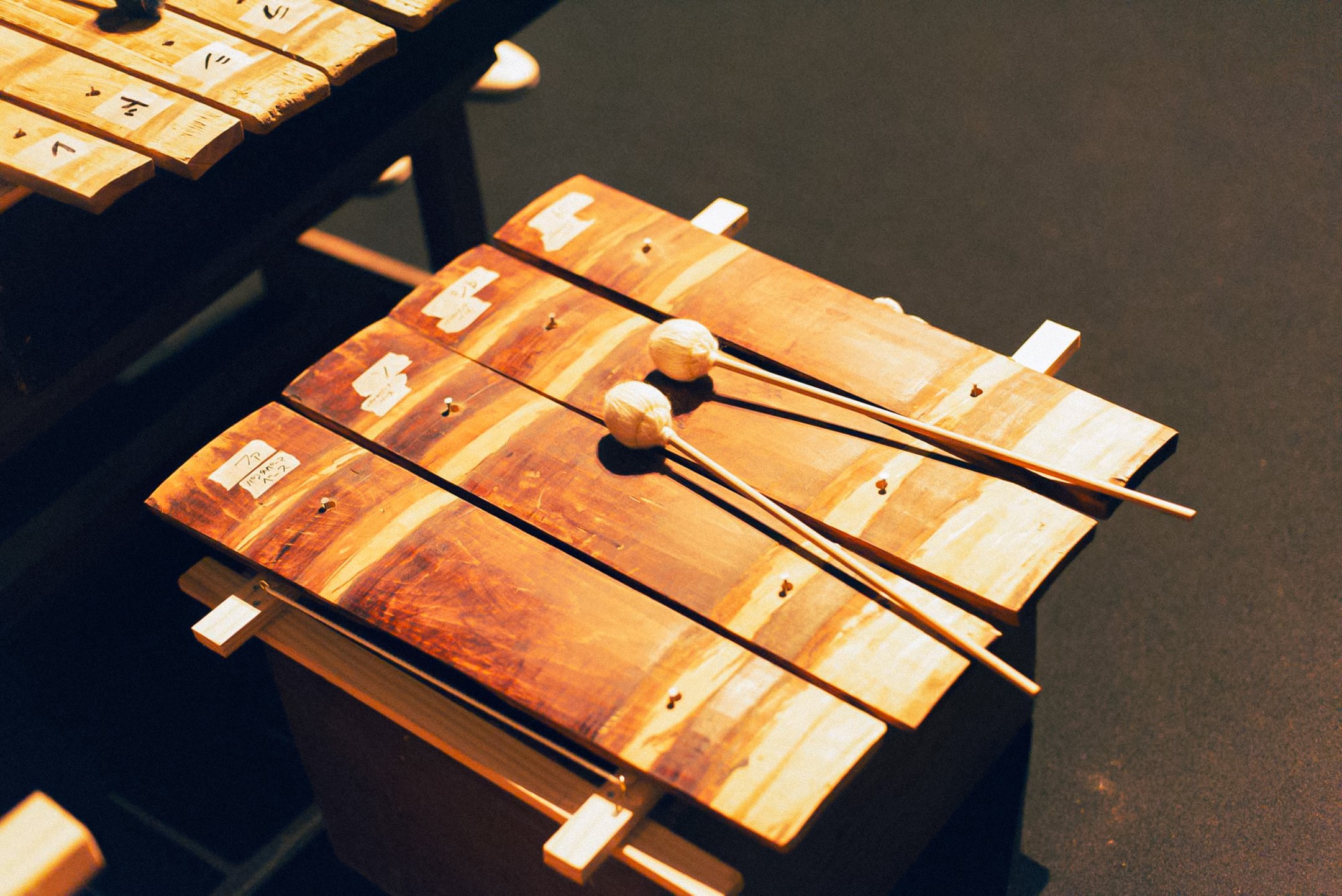
At the Clove Theatre, Oka Makoto + Music Mill Project’s
Farming implements as instruments! has also been updated. With the cooperation of local residents, everyday tools and folk implements have been transformed into musical instruments. The photo shows a xylophone made from dismantled barrels.
Photo: Kanemoto Rintaro
Ubusuna House (Tokamachi Area)
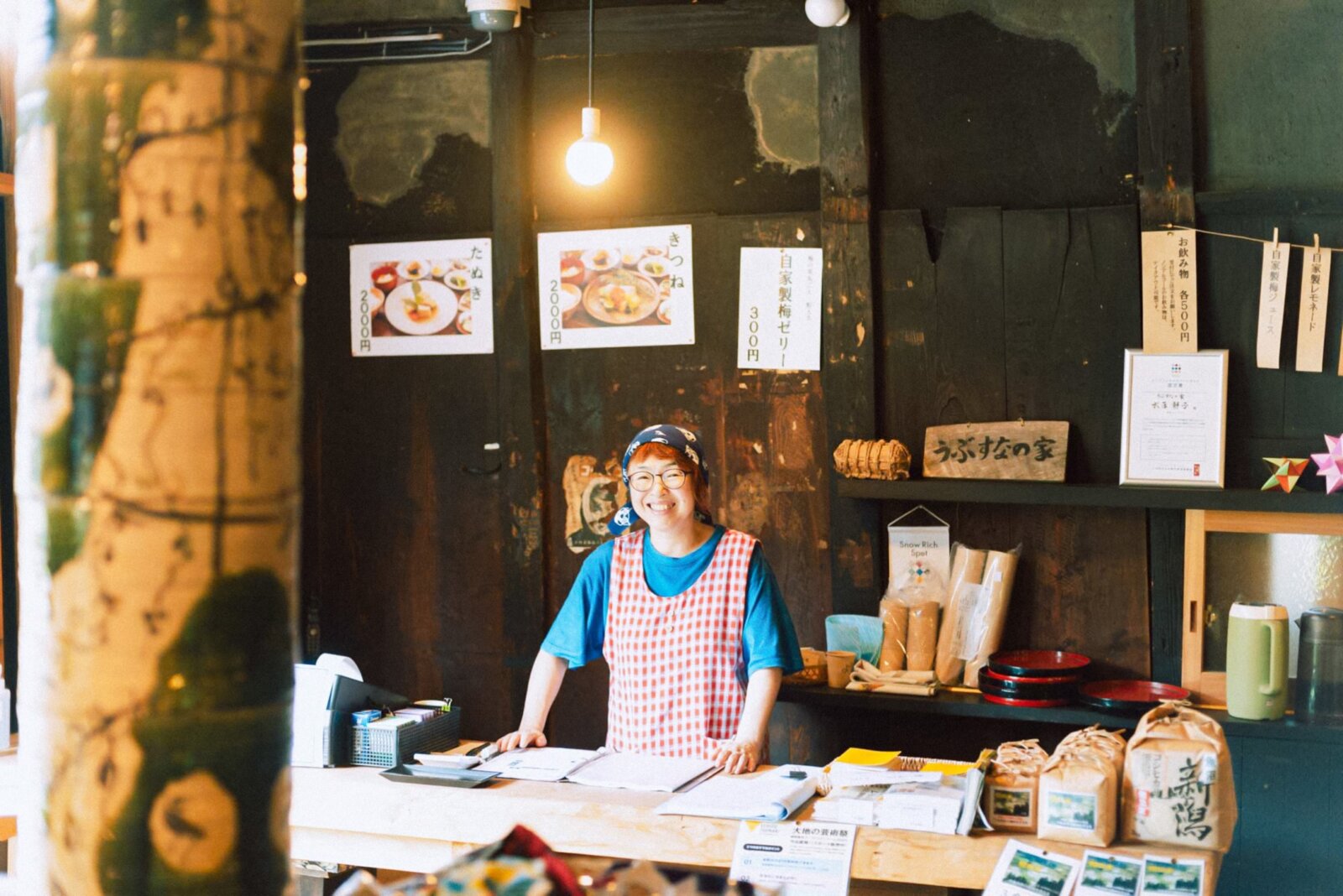
Photo: Kanemoto Rintaro
Located in the northern part of the Tokamachi area, Ubusuna House is a thatched-roof farmhouse set apart from the town centre. Visitors can enjoy a gentle sense of time passing, while being warmly welcomed by energetic local women, who also share stories about the land, the artworks, and their connection to the Triennale.
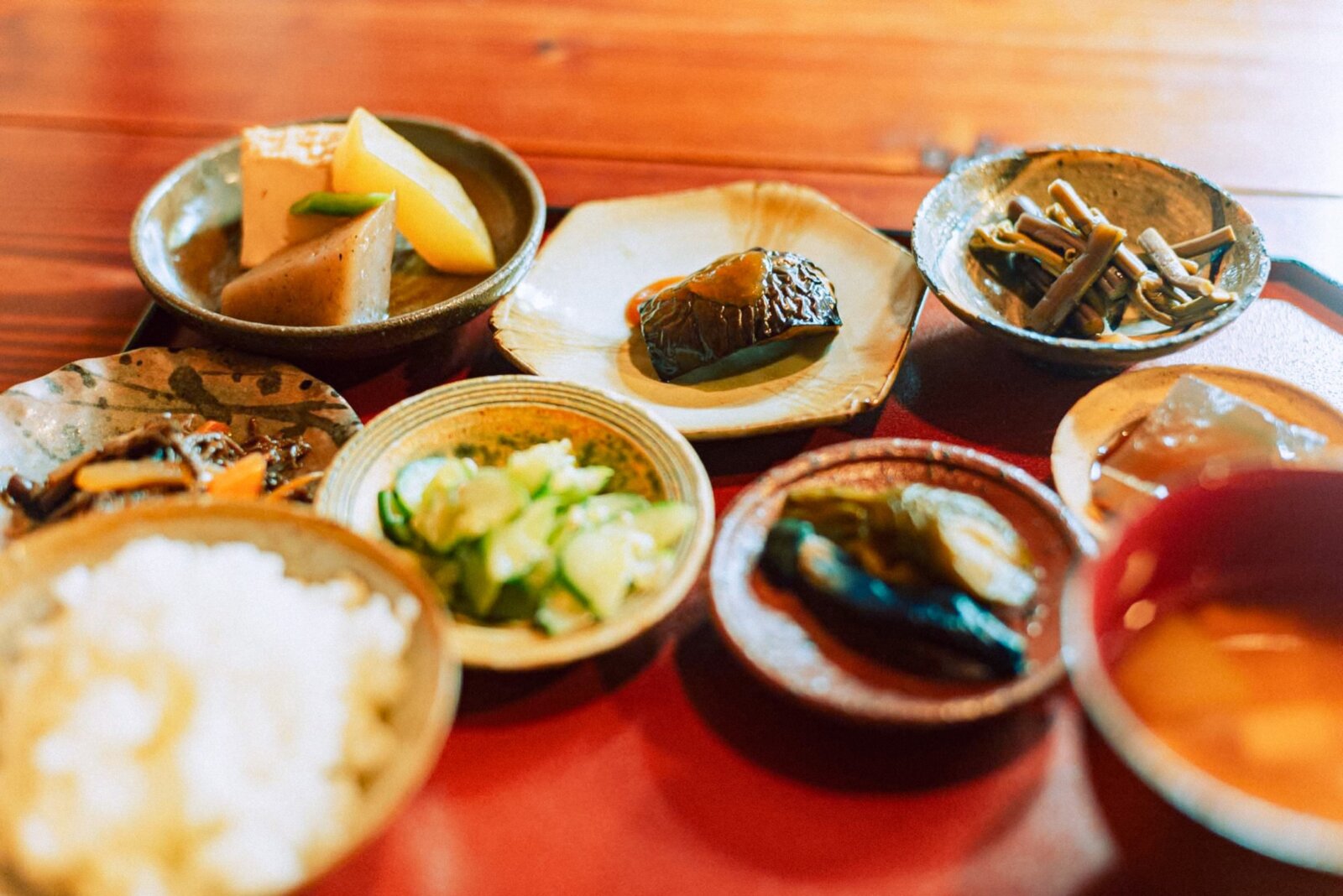
Photo Kanemoto Rintaro
Notably absent from the photographs of the meal is the main dish. Lunch at Ubusuna House is characterised by an abundance of side dishes that make use of preserved foods unique to heavy-snow regions.
This year, in addition to rotating small dishes, guests can enjoy a set meal featuring either an inari-style hamburger made with Tsumari pork, or a main dish of kuruma-fu and deep-fried tofu.
For menu details, click here.
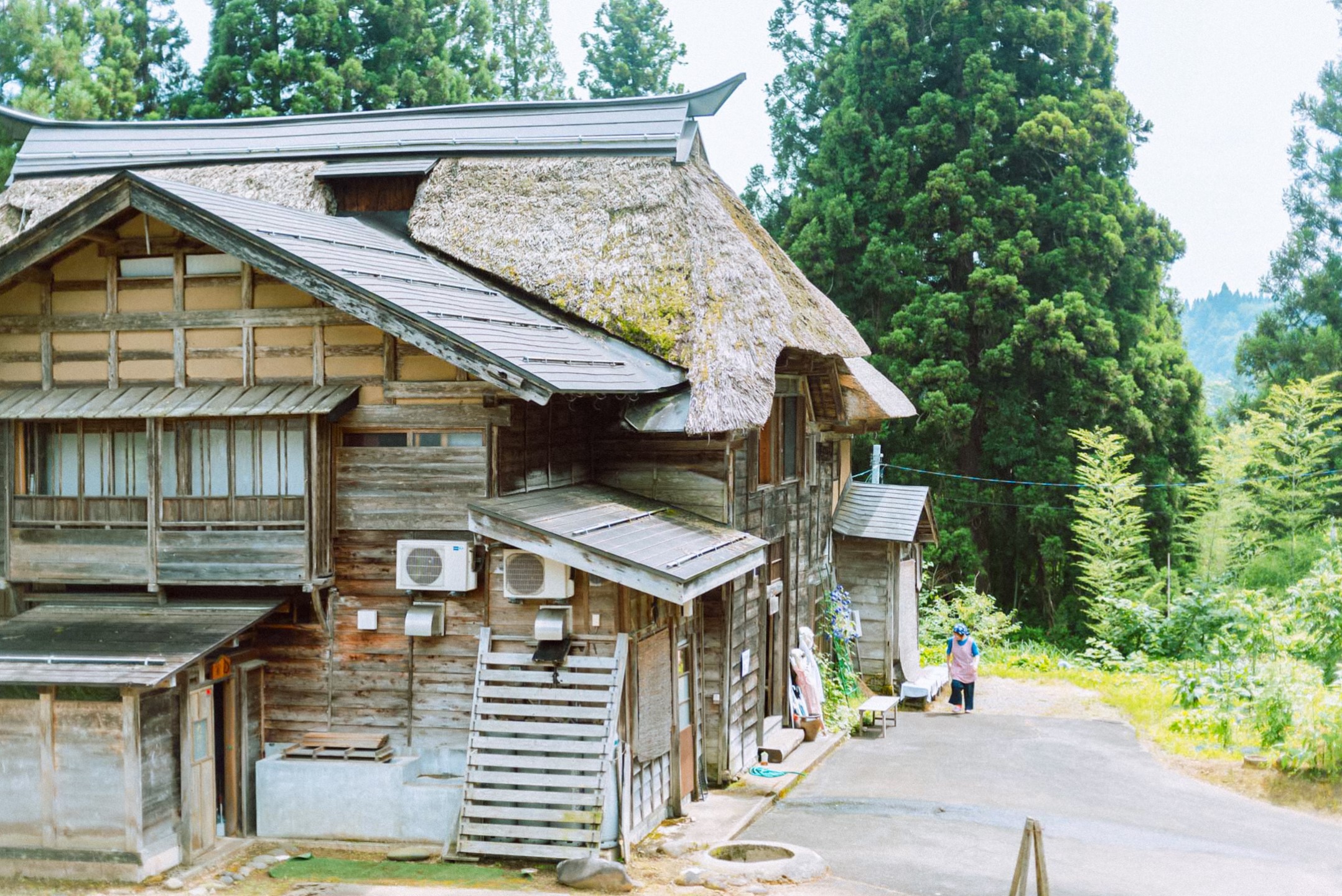
Photo: Kanemoto Rintaro
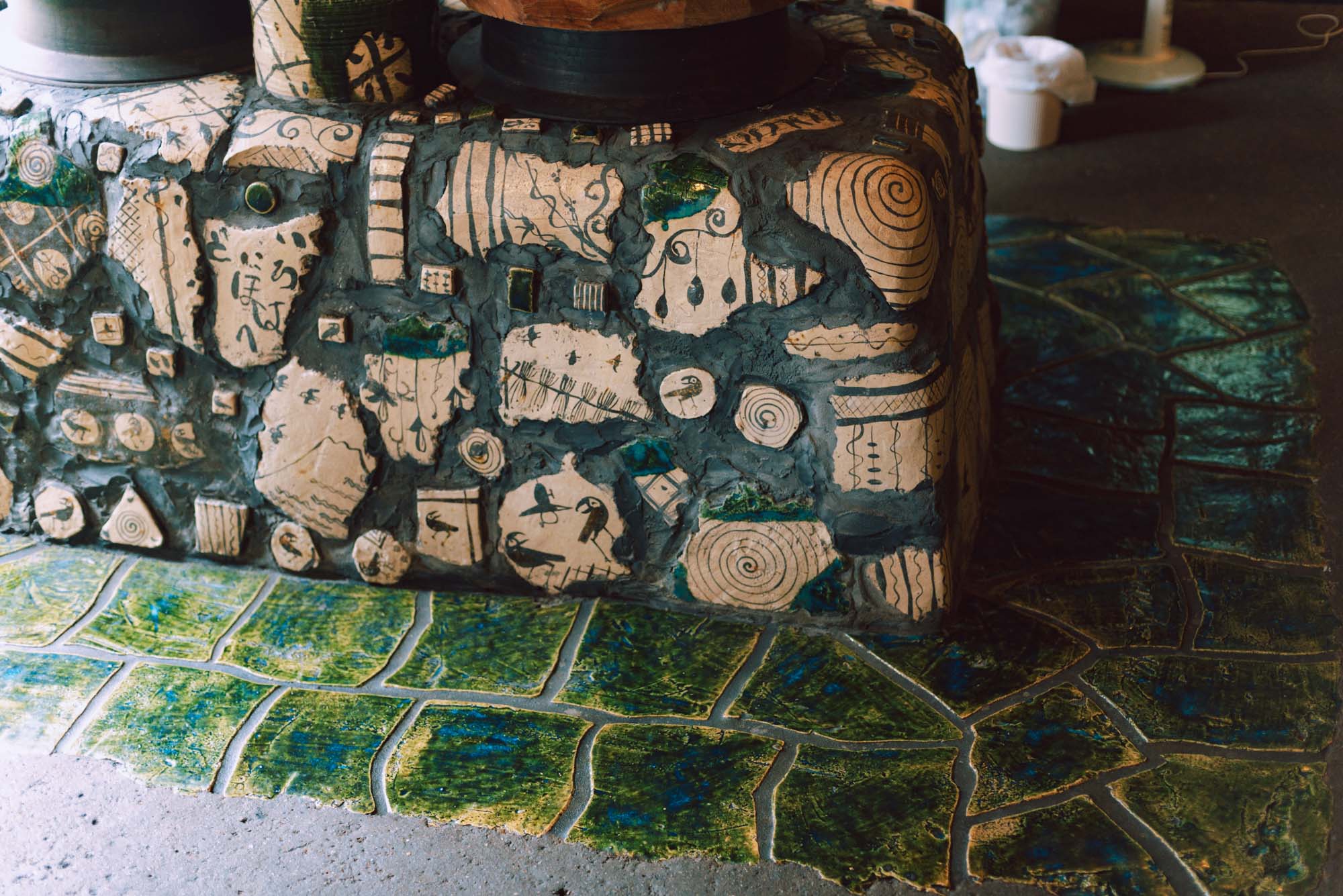
The interior also functions as a ceramics museum and offers accommodation.
Photo: Kanemoto Rintaro
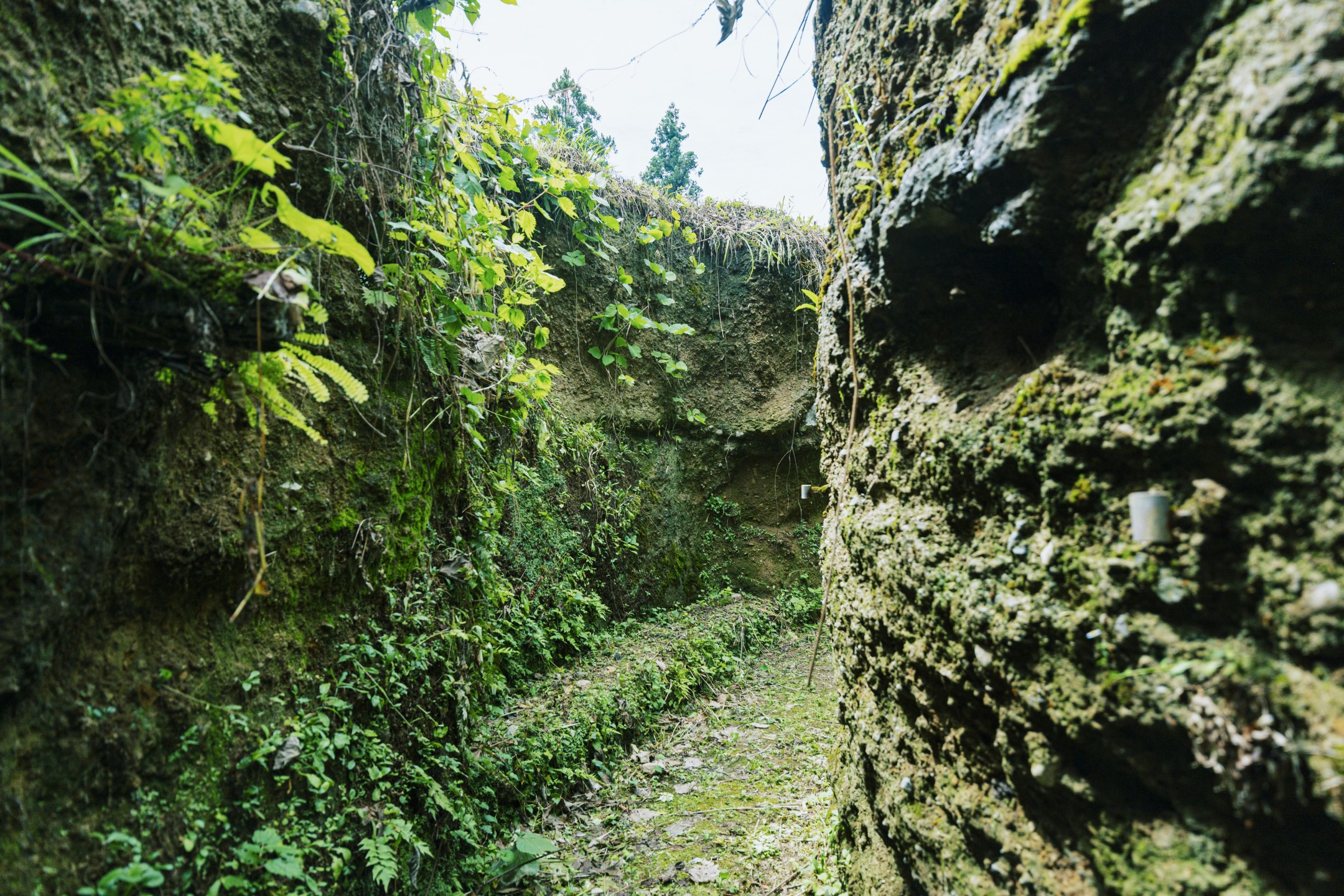
A little further beyond Ubusuna House, visitors are encouraged to continue on to Furugori Hiroshi’s
The Placenta – Misyaguchi
An Urban Oasis — Echigo-Tsumari Satoyama Museum of Contemporary Art MonET
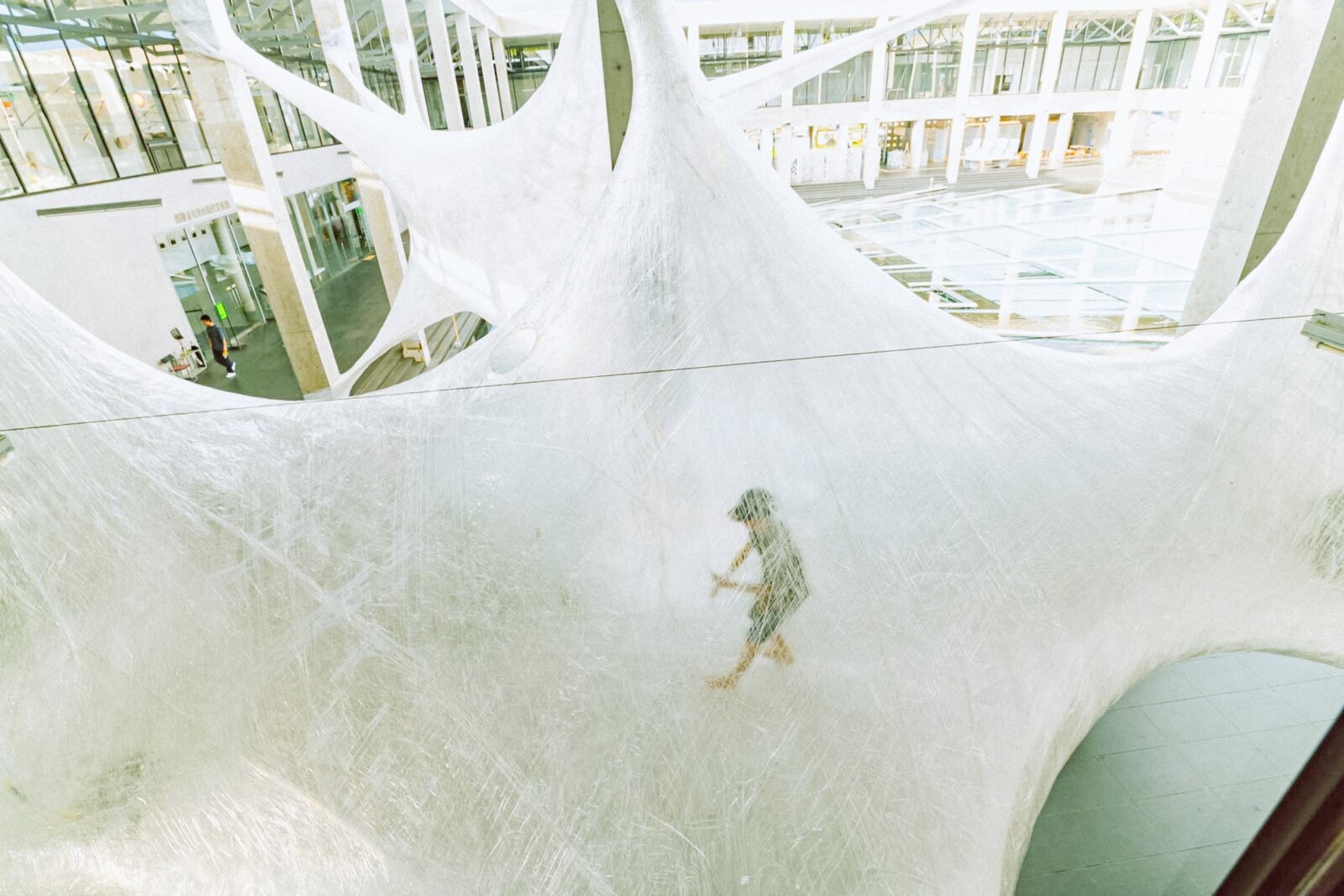
Tape Echigo-Tsumari by Numen / For Use (Croatia, Austria) [Special Exhibition: 87-Day Square Adventure with Captain MonET]
Photo: Kanemoto Rintaro

overflowing by Kato Miisa
[Special Exhibition:87-Day Square Adventure with Captain MonET]
Photo: Kanemoto Rintaro
The special exhibition 87-Day Square Adventure with Captain MonET, inspired by Captain Nemo from Jules Verne’s Twenty Thousand Leagues Under the Sea, is currently being held across the museum corridors and Akashi no Yu.

White Clothes: Memories of the Future by Tanya Badanina
(Echigo-Tsumari Satoyama Museum of Contemporary Art MonET)
Russian artist Tanya Badanina, who continues to work with the motifs of white and light, presents a new work. Based on everyday workwear worn in fields and mountains, each “white garment” features a unique pattern imbued with meanings specific to Echigo-Tsumari. Inside the museum, visitors can also enjoy striking new works by other international artists.
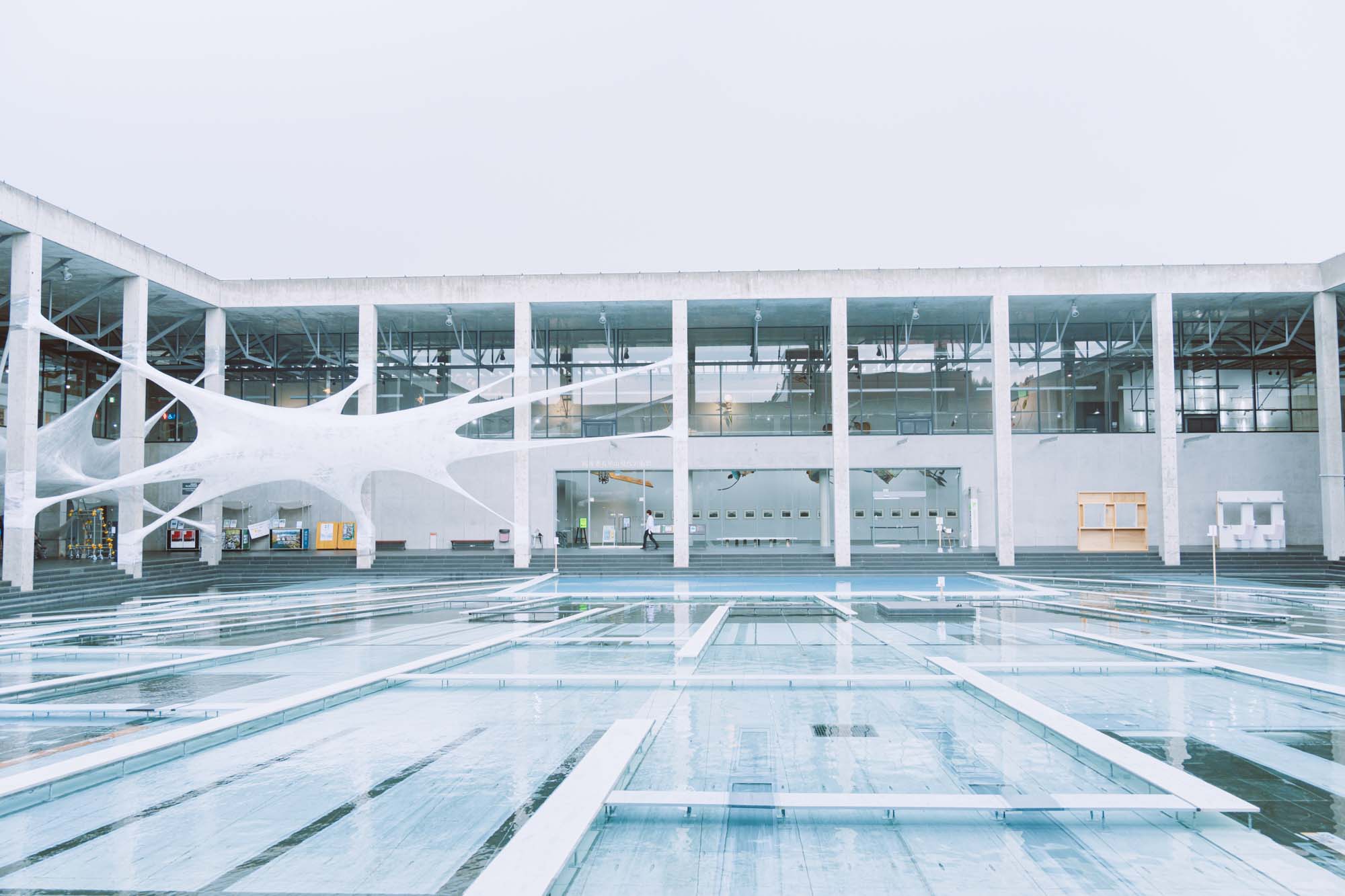
Echigo-Tsumari Satoyama Museum of Contemporary Art MonET
Photo: Kanemoto Rintaro
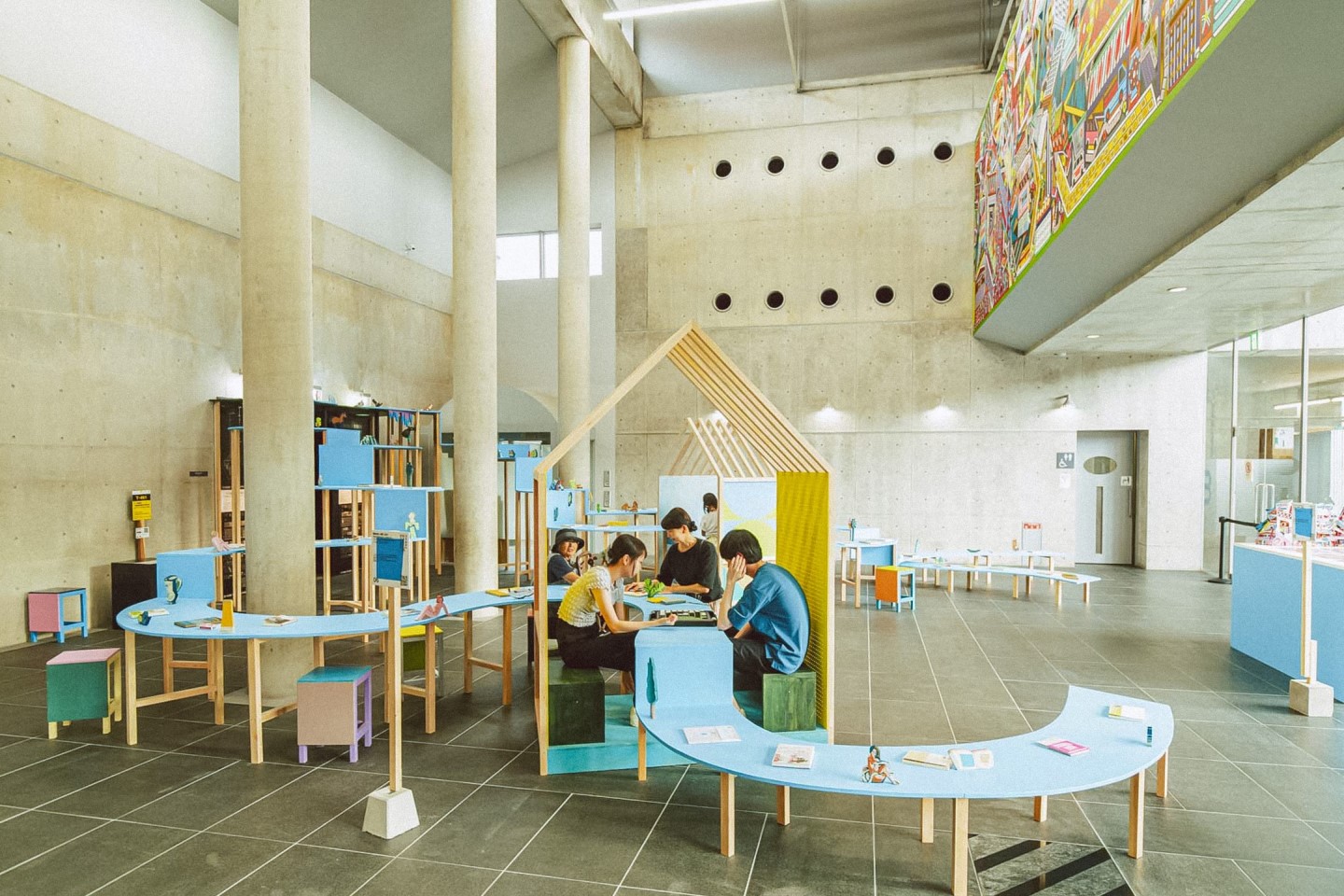
Akashi-no-Yu entrance
Photo: Kanemoto Rintaro
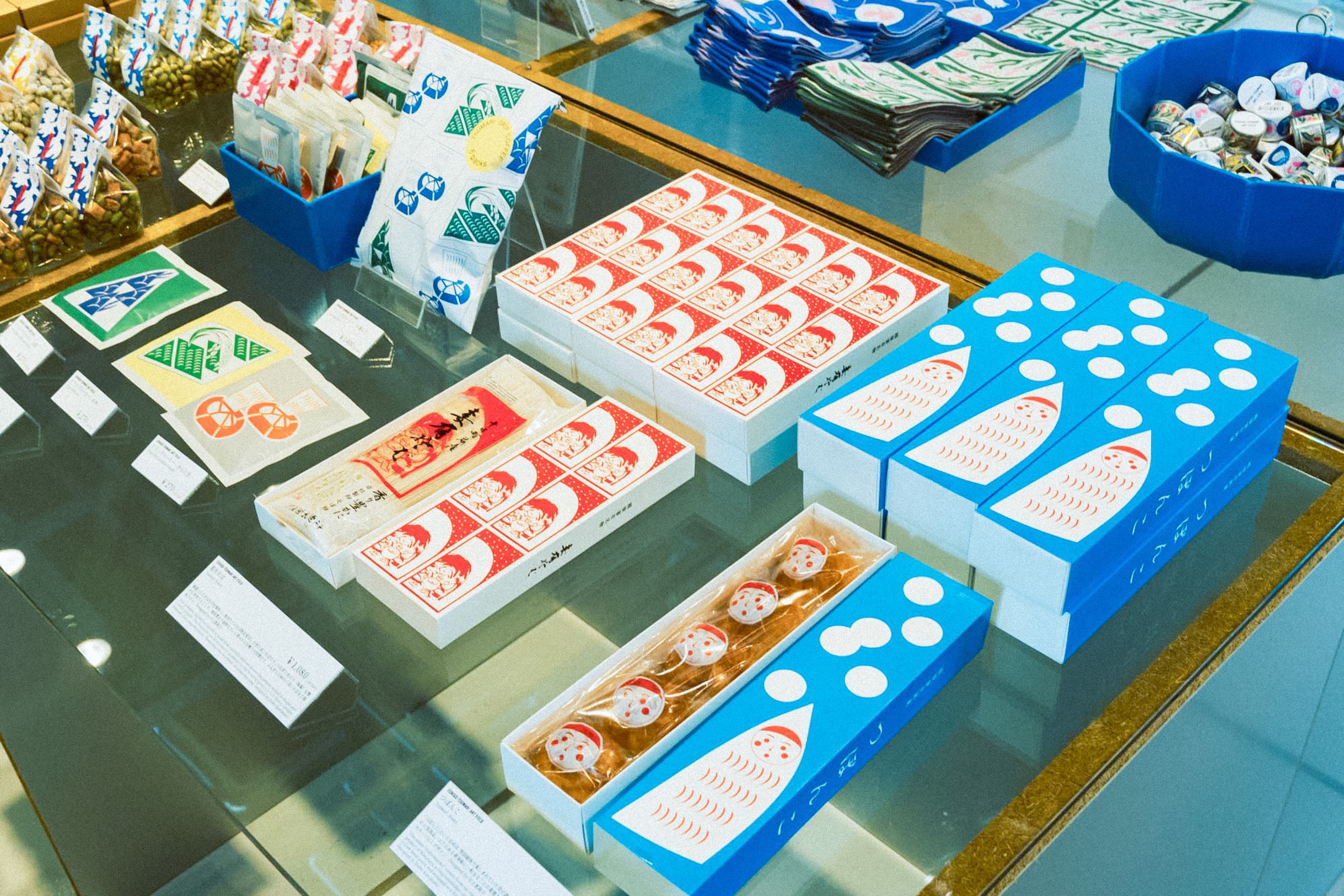
Don’t forget to stop by the music shop
(Echigo-Tsumari Art Field goods)
Photo: Kanemoto Rintaro
Where the World and the Local Intersect
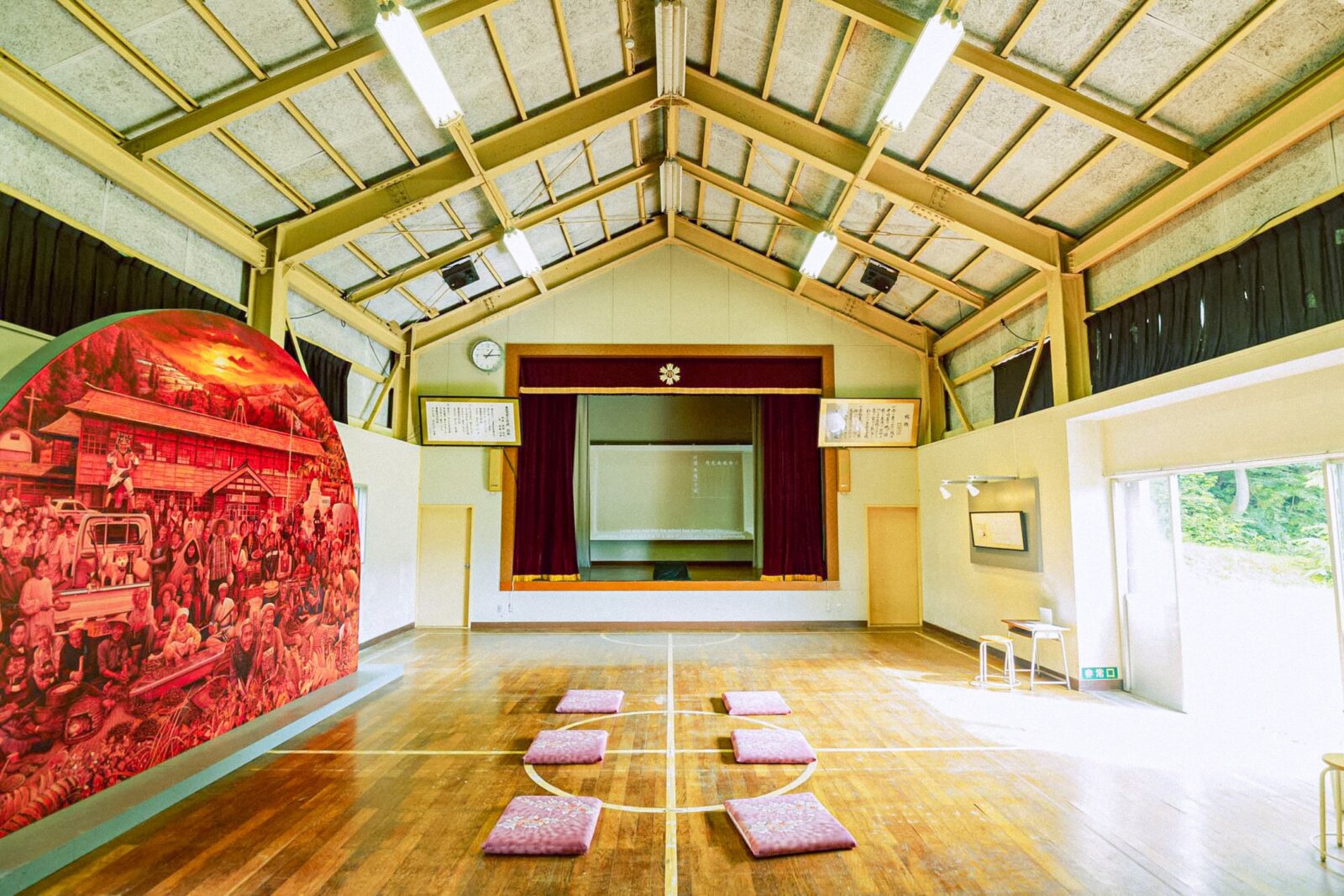
The School of Akakkura by Navin Rawanchaikul + Navin Production (Thailand)
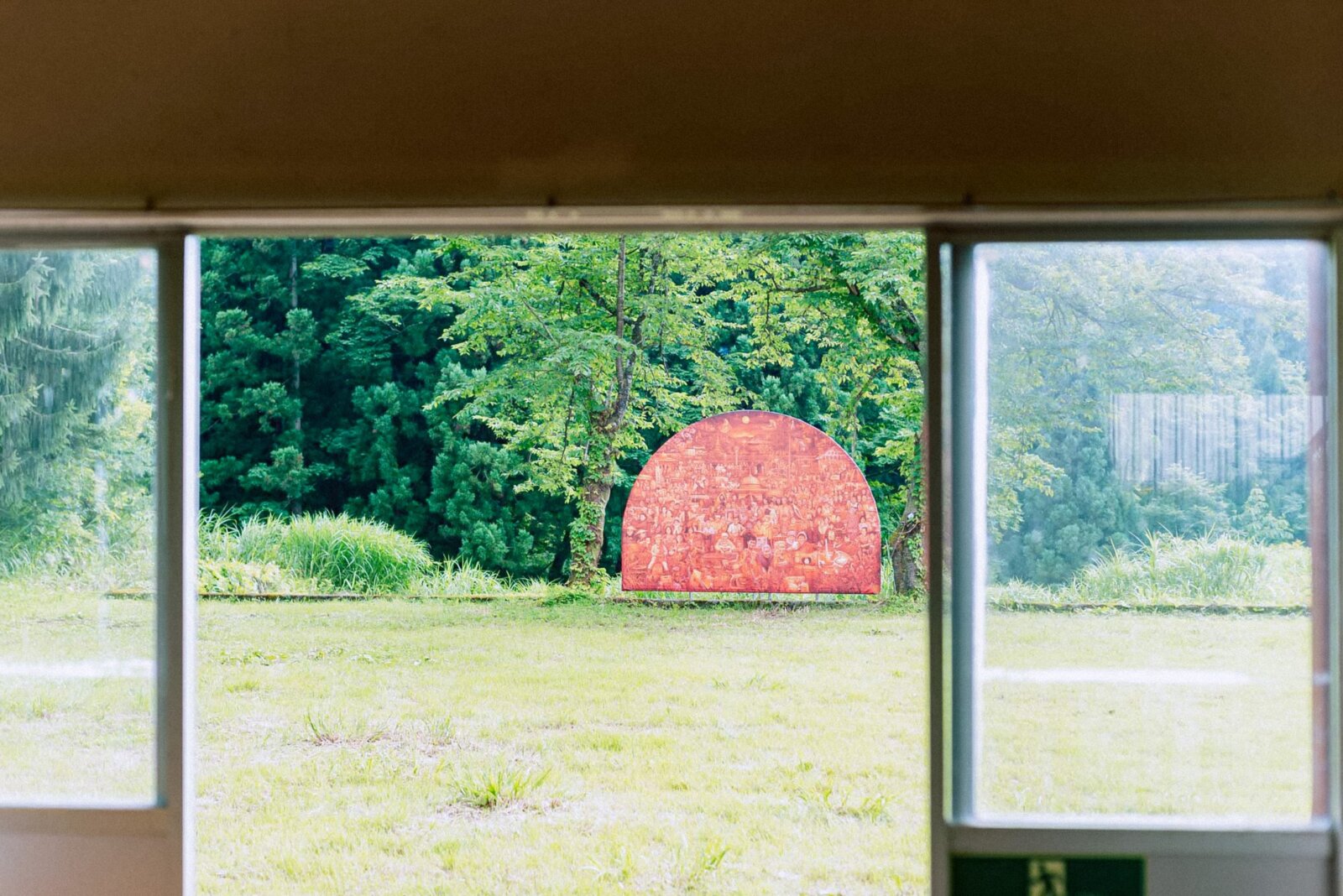
The School of Akakkura by Navin Rawanchaikul + Navin Production (Thailand)
In 2015, inspired by Raphael’s The School of Athens, Navin Rawanchaikul painted a large-scale work depicting the residents of Akakura. In 2022, a companion painting portraying people from Chiang Mai, the artist’s hometown in Thailand, was completed. This year, both works are installed facing one another across the gymnasium and schoolyard of the former Akakura Elementary School.

Photo by Kanemoto Rintaro
Akakura village, where the School of Akakura is installed, is said to have been founded by two defeated warriors in the distant past. Former pupils of the now-closed elementary school sometimes serve at the reception desk. The memories embedded in the school building and the relationships cultivated by the artist within the community are deeply felt, making this a truly site-specific work.
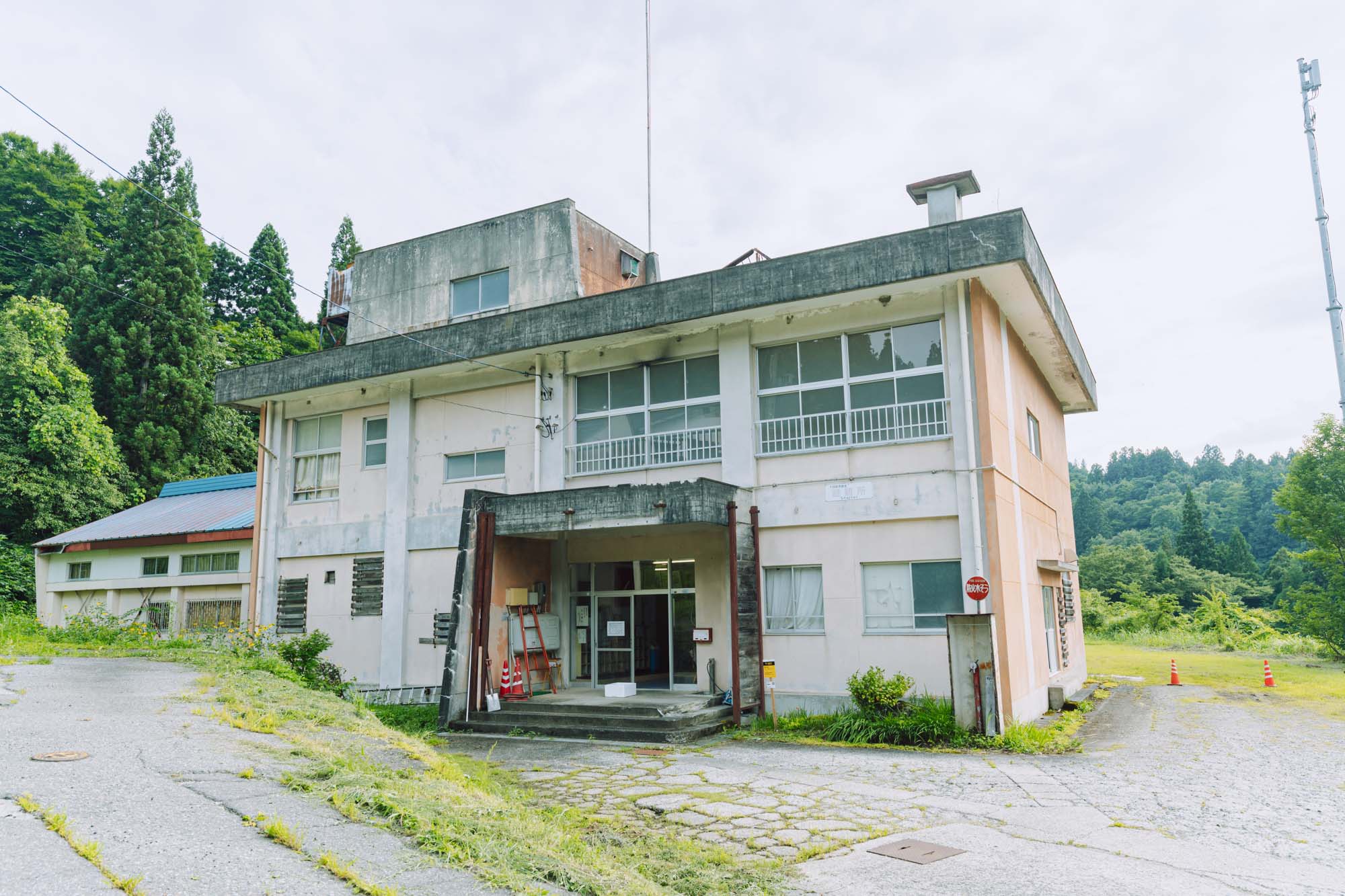
Former Akakura Elementary School
Photo: Kanemoto Rintaro
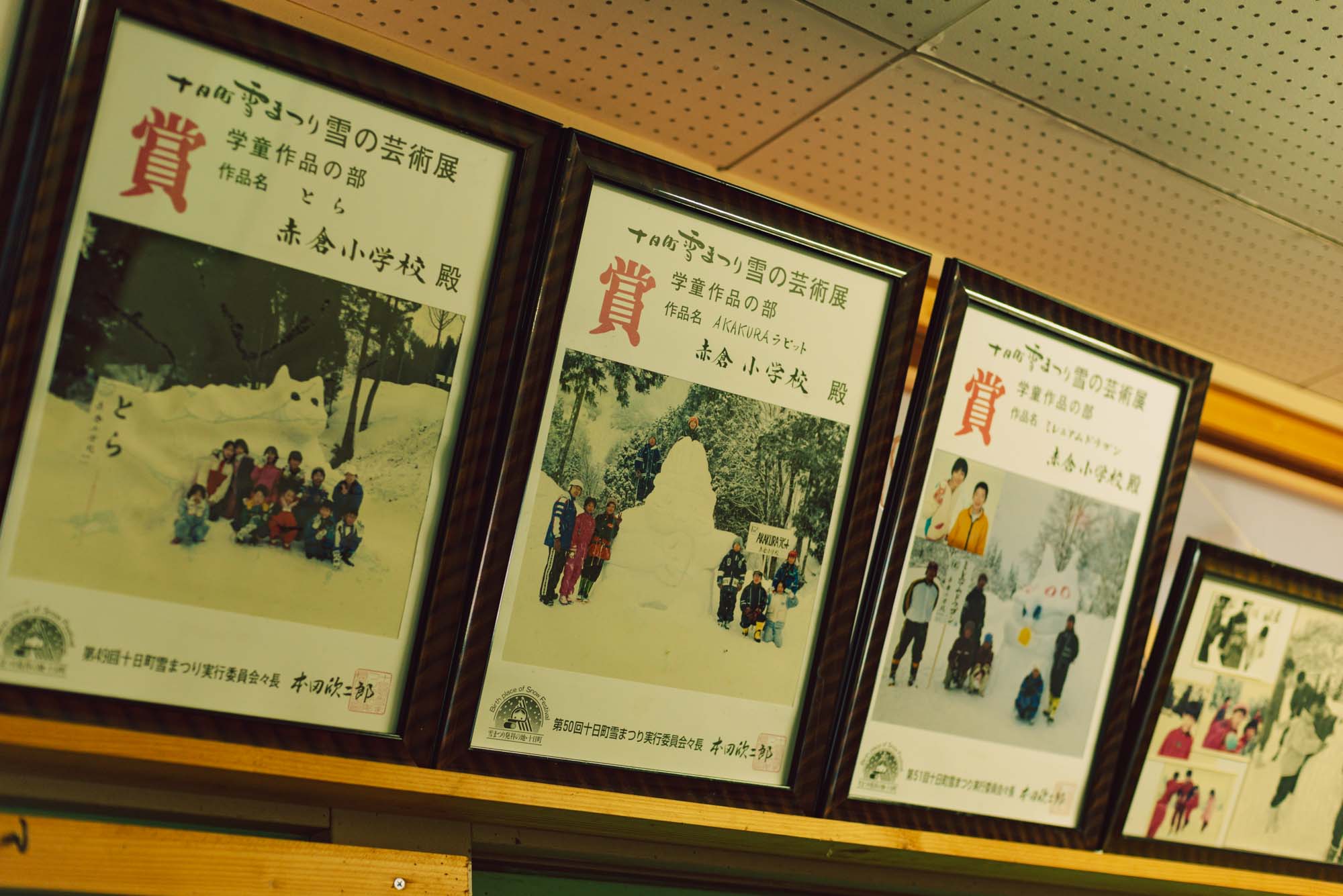
Memorabilia displayed inside the former school building
Photo: Kanemoto Rintaro
In this first instalment, we have explored selected works in the Nakasato, Tsunan, and Tokamachi areas through photographs by official photographer Kanemoto Rintaro. There are many more works we would like to introduce, but we invite you to experience them on site—through encounters with the land, time, and the local people who live here, as revealed through the artworks of the Triennale.
Text: Hana Maruo (NPO Echigo-Tsumari Satoyama Collaborative Organization)

Articles
Latest Articles

Stay connected with the ETAT official social media to receive the latest news and event information, and the many seasonal faces of Echigo-Tsumari as well as new issue of the ETAT official media, “Art from the Land”.