


Thinking 21st century art in the world from Niigata
Echigo-Tsumari Art Field - Official Web Magazine
Feature / From behind the scene of Echigo-Tsumari
FC Echigo-Tsumari marks five years since its founding - with the appointment of a new Senior Director and a new GM & Head Coach, the club enters its second chapter.
FC Echigo-Tsumari
On 24 April, the 2021 kick-off event for FC Echigo-Tsumari, a female football team born out of the Echigo‑Tsumari Art Triennale (ETAT), was held. Five years have passed since the team’s establishment. Last year, FC Echigo-Tsumari won the Niigata Prefectural League, and this spring welcomed a new Senior Director and a new GM & Head Coach. Six new players have also joined, bringing the squad to twelve members. As the team embarks on its second phase, we spoke with Senior Director Sakaguchi Hiroaki, GM & Head Coach Motoi Atsushi, and players Ishiwata Misato and Mori Kisa.
Interview and edit by Art Front Gallery Co., Ltd
27 April 2021
“By combining the players’ experiences with my own, I want us to create the future together” (Motoi, GM & Head Coach)
— Mr Motoi, congratulations on your appointment as GM & Head Coach. To begin with, could you tell us how you came to be involved with FC Echigo-Tsumari?
Motoi: I started playing football in Year 3 at primary school, and with my father also being a football player, I became completely immersed. When I was part of the coaching staff at Ōmiya Ardija, the club entered into a business partnership with the women’s team AS Elfen Sayama FC (now Chifure AS Elfen Saitama). Around the same time, Nadeshiko Japan won the FIFA Women’s World Cup, which further accelerated efforts in women’s football. In 2012, I became General Manager of Elfen — that was my first direct involvement in the women’s game.
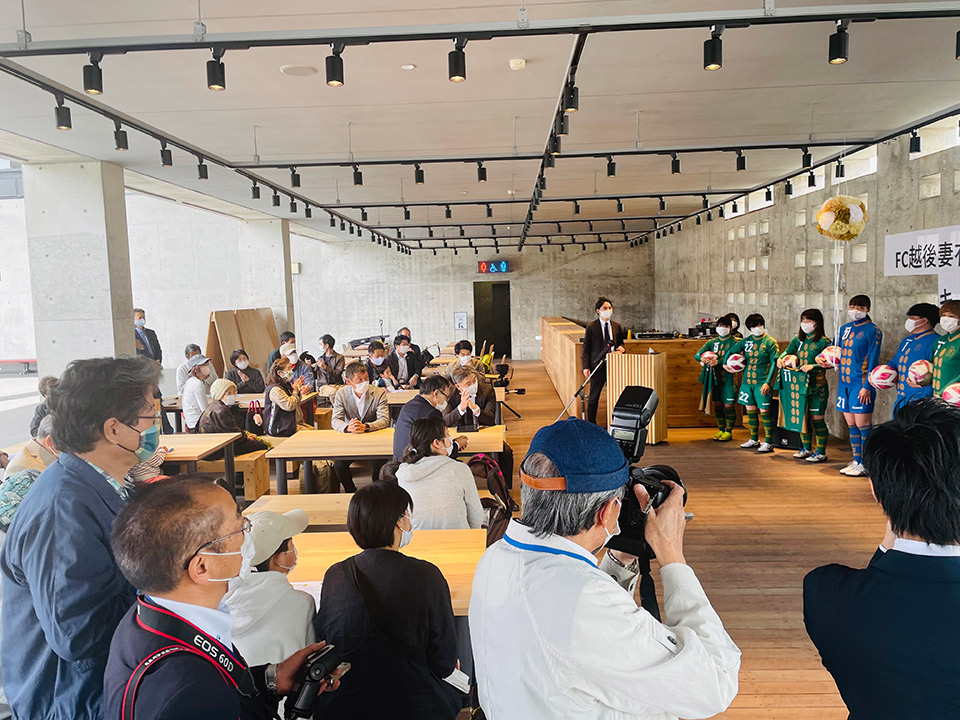
The kick-off event held on 24 April 2021 at the KINARE (Design cooperation: MUJI)
Many local residents attended the event.
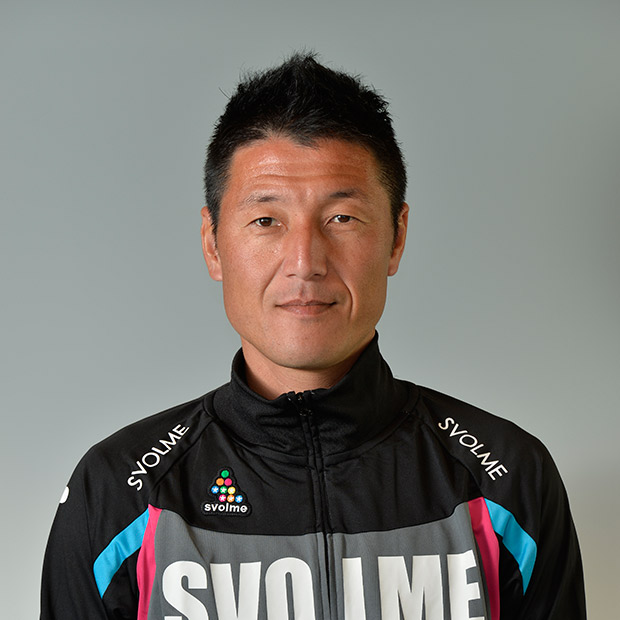
Profile
Motoi Atsushi, GM & Head Coach
Chiba Prefecture
After graduating from Juntendo University, Motoi served as head coach at prefectural high schools in Chiba before joining the coaching staff of Ōmiya Ardija in 2005. In 2012 he became General Manager of AS Elfen Sayama FC. He returned to Ōmiya in 2013 as U-12 coach, and in 2016 was appointed Head Coach of Chifure AS Elfen Saitama, leading the team to promotion to the Nadeshiko League Division 1. He became General Manager in 2018, Head Coach of Bunnys Kyoto SC in 2019, and assumed his current role at FC Echigo-Tsumari in 2021.
― Nadeshiko Japan’s World Cup victory came shortly after the Great East Japan Earthquake, making it especially memorable.
Motoi: The head coach at the time, Mr Sasaki Norio, had also been at Ōmiya Ardija, and I learned a great deal from him. Once I became involved in women’s football, I came to understand how challenging the environment can be compared with the men’s game — from dirt pitches to demanding employment conditions. Within that reality, I found fulfilment in thinking about what I could do, even in small ways, to support the players. The J.League’s 100-Year Vision speaks of how clubs should contribute to and be embraced by their communities. At Elfen, we worked closely with our hometowns of Sayama, Hanno and Hidaka through comprehensive partnership agreements. That experience made Echigo-Tsumari’s approach particularly compelling to me.
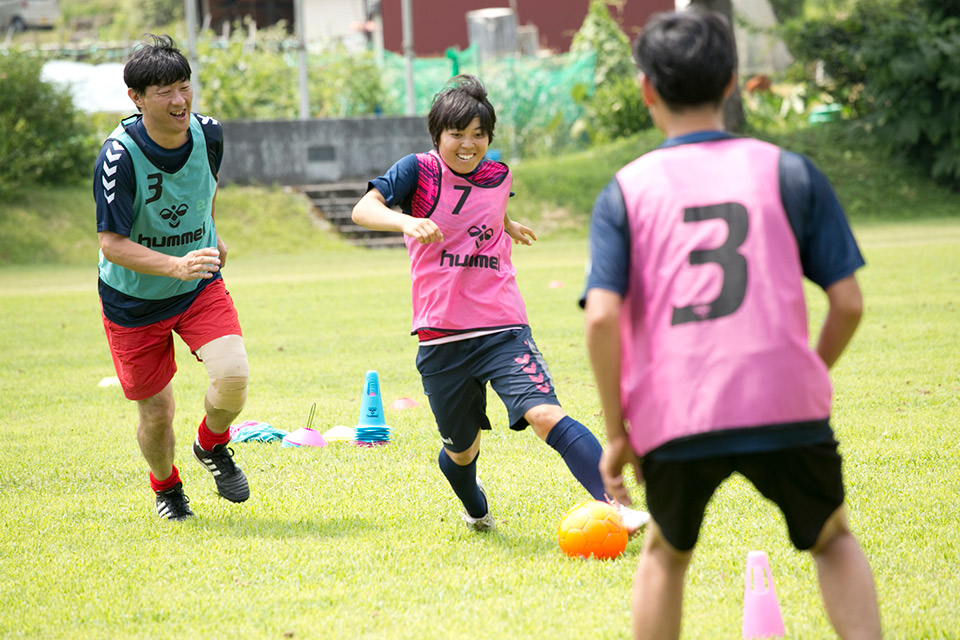
Football workshop held together with local residents and artists
― One of the motivations behind the establishment of FC Echigo-Tsumari was the question of how to make players’ lives and careers sustainable.
Motoi: A footballer’s playing career is not long. In women’s football there are additional challenges, such as the high incidence of knee injuries. Because players are often employed on the basis that they play football, retirement can make it difficult to continue working, and remaining in the region becomes a hard choice. This is an issue that extends beyond football to sport as a whole, including second careers.
― Have you made any discoveries through working in women’s football?
Motoi: Everything feels like a discovery. While it may look as though I am teaching, I am learning just as much. I have no intention of leading in a top-down way. By combining the players’ experiences with my own, I want us to create the future together.
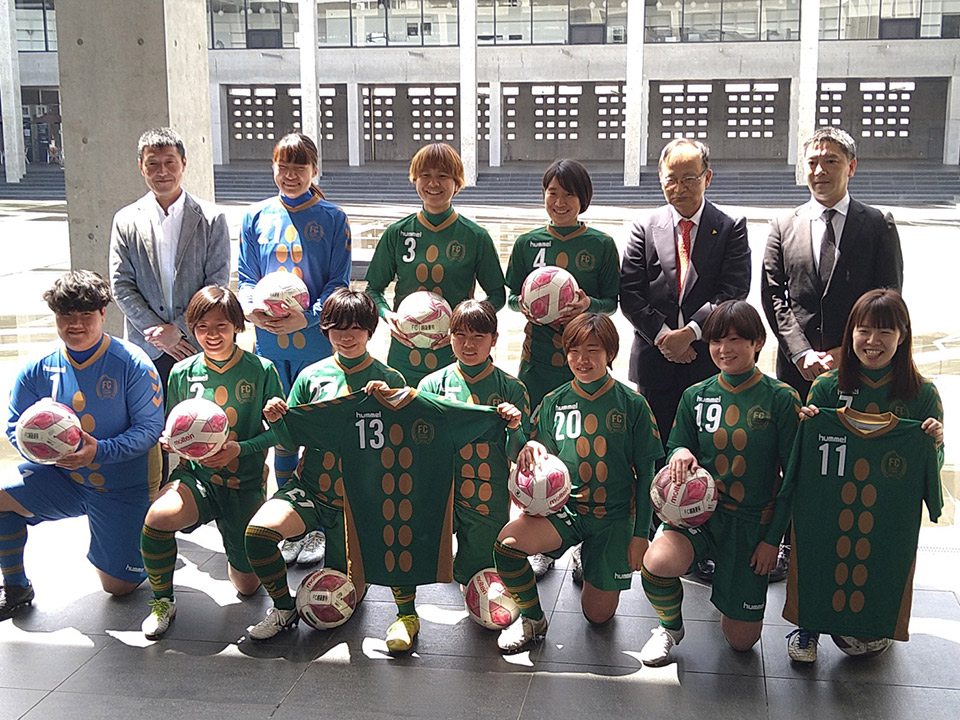
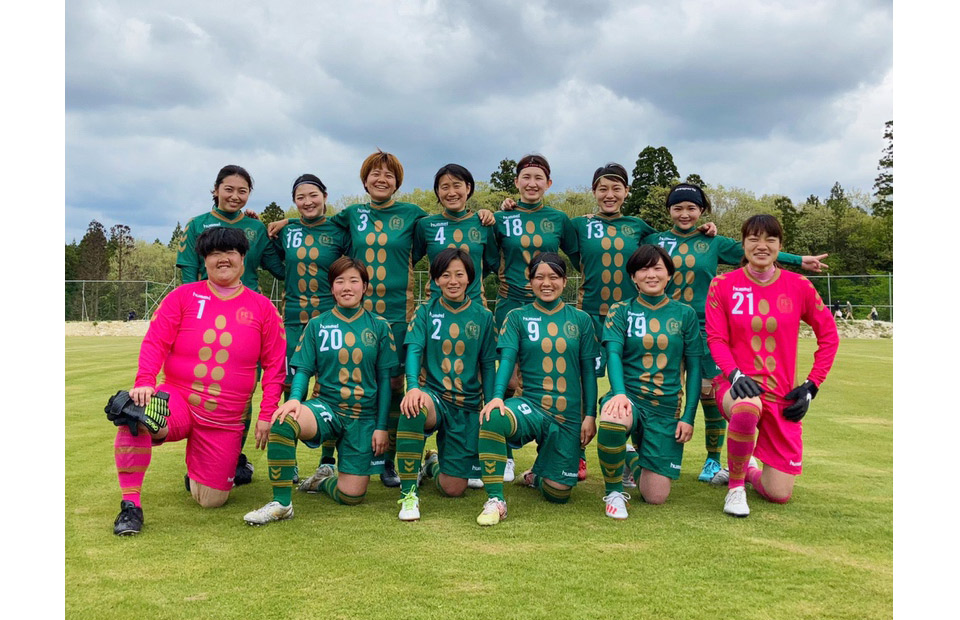
Group photograph from the 24 April 2021 kick-off event
I have been through countless number of challenges but I feel content - almost to the extent that I would forget those hardships. (Ms Ishiwata)
― Ms Ishiwata, you are an original member of FC Echigo-Tsumari. How did you come to join the team?
Ishiwata: A university seminar professor of mine, who specialised in community sports clubs, told me that FC Echigo-Tsumari was being established. I visited the Echigo-Tsumari Art Triennale in 2015. Even though we had just met, local women welcomed me warmly, almost like family. I remember thinking that this was the kind of adult I wanted to become. I felt that by coming here, I could play football while growing through relationships like these.
— When did you start playing football?
Ishiwata: I started in Year 3 at primary school, but did not play at all during junior high. In my first year of high school, I happened to watch my brother’s match — a game that is still spoken of as “legendary”. Watching him and his teammates fight with sheer determination against a powerhouse school in the prefectural qualifiers for the national tournament reignited my passion for football. I joined a club team in my second year of high school.

A game at the Niigata League (Photo by Hoshino Miho)
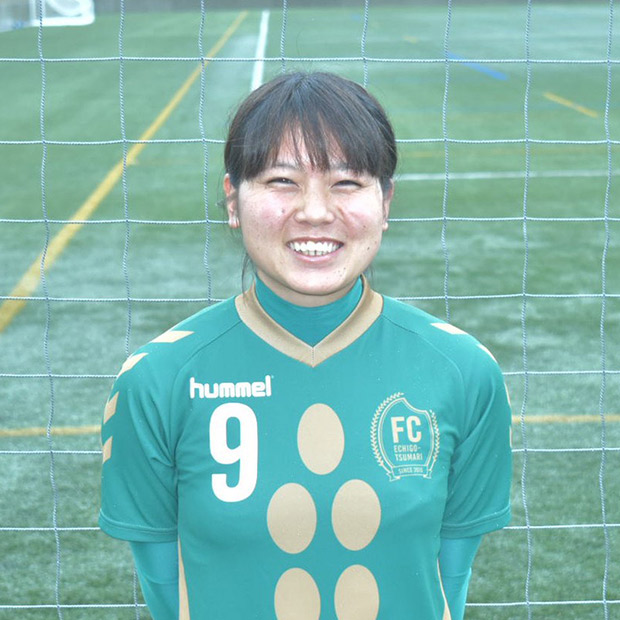
Profile
Ishiwata Misato
Hyogo Prefecture
・Squad number: 9
・Position: FW
・Year joined: 2016
― Looking back over the past five years, how do you feel?
Ishiwata: At first there were only two of us — Ohira* and me — and the project had just begun, so it was frustrating not being able to play football the way I wanted. But local residents invited us to meals, gave us vegetables, and supported us with genuine care. There were countless hardships, but now my life feels so fulfilling that I forget them. As the team grew, we were able to expand our training. Farming was especially difficult at the beginning, but over time I came to feel that we wanted to protect the rice paddies that local people have preserved with pride. Football and the busy farming season often overlap, which is challenging, but working in muddy paddies strengthens core muscles, so I try to see it positively. Many people here appear to be in their sixties but turn out to be in their eighties, still working energetically in the fields — it’s inspiring.
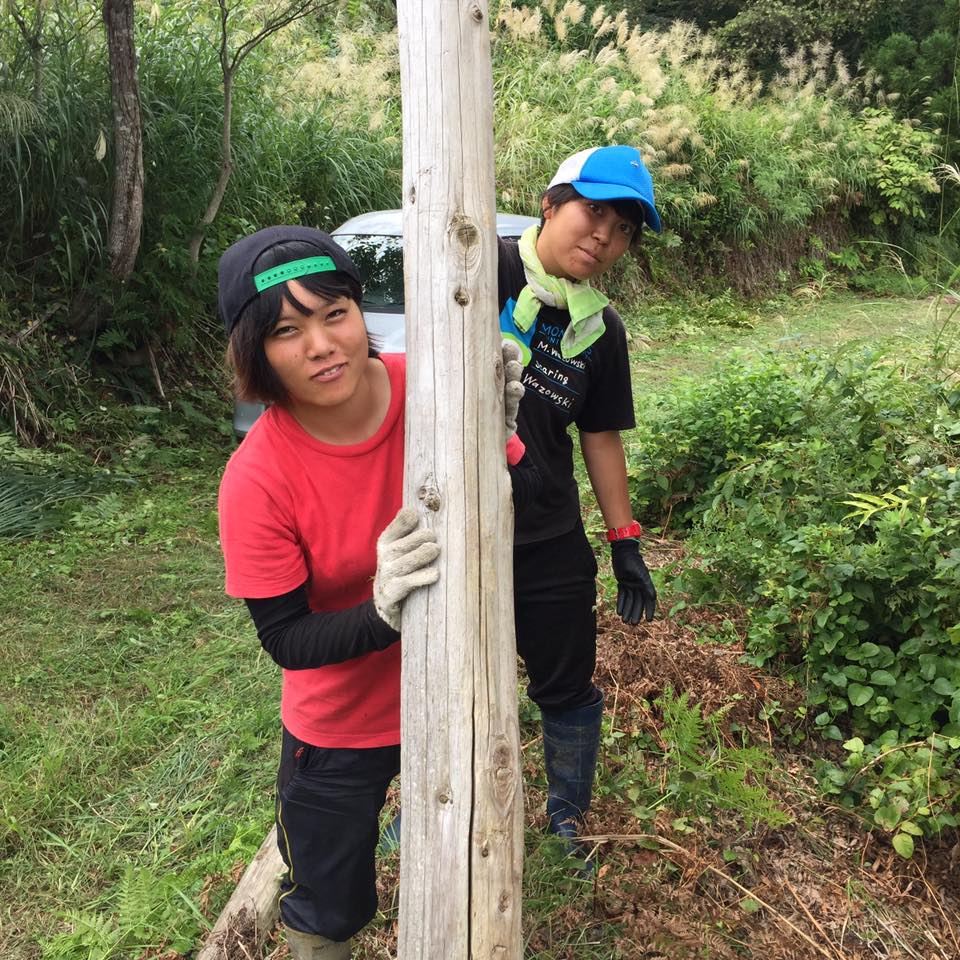
Ishiwata (left) and Ōhira (right), who supported the team from its earliest days. Training and farm work with just the two of them.
― You got married two years ago, and your proposal took place publicly at a village meeting in Murono.
Ishiwata: My partner joined Tsumaari as a member of the Community-Reactivating Cooperator Squad around the same time as me. We were introduced because we are the same age, and became close (laughs).
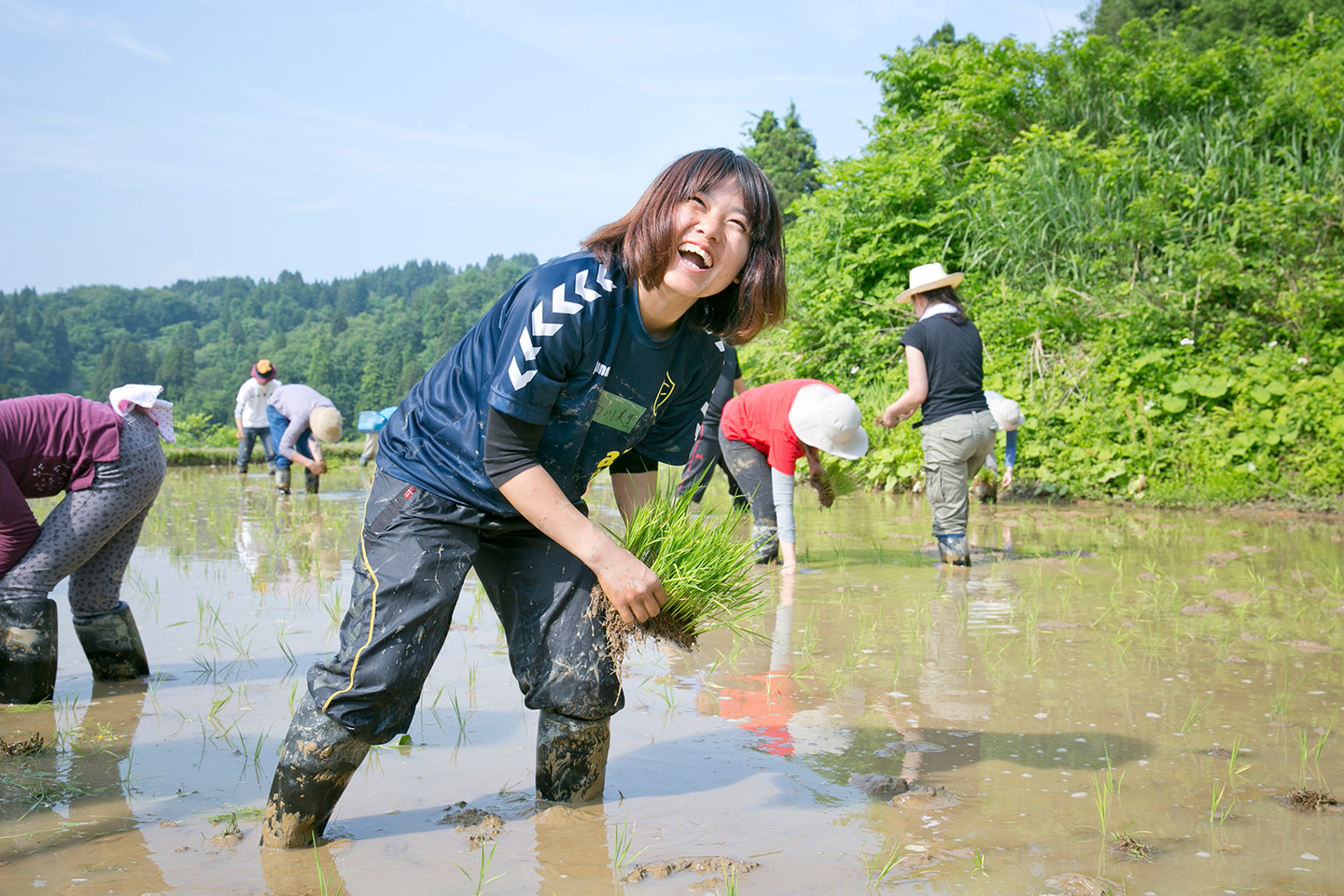
Rice planting event at “Matsudai Tanada Bank” (photo by Yoneyama Noriko)
※ Captain of FC Echigo-Tsumari. She has supported the team alongside Ishiwata since its founding and is currently recuperating from injury.
Being able to play football while engaging with social issues — that’s what makes this place unique. (Ms Mori)
― Ms Mori, this is your second year with the team. What led you to join FC Echigo-Tsumari?
Mori: My primary and junior-high club coach knew the club’s first GM. When I was in my final year of high school, before the team had fully taken shape, I visited Tsumari and was invited to help build the team together. I hesitated and chose to go to university, where I studied sports psychology in the Department of Lifelong Sports. Even then, Tsumari stayed on my mind. The idea of combining farming and football — and being able to play football while engaging with social issues — felt unique to this place, and that is what ultimately led me to join.
— Were there particular difficulties in continuing with women’s football?
Mori: As a child I often trained with boys, but people around me were supportive. I did not face major hardship. If anything, when choosing a high school, there were far fewer schools with women’s teams compared with men’s, which severely limited options.
Ishiwata: I cannot think of specific hardships either, but many players quit because the environment for women’s football is limited. When life circumstances change — marriage, family — it becomes difficult to continue without understanding and support from family, team and employer.

Niigata Prefectural League match (Photo by Hoshino Miho)
― Last year the team won the Niigata Prefectural League undefeated.
Mori: It may look glamorous when reported in the media, but that victory was built on five years of steady effort by players such as Ishiwata and Ōhira, who kept going through periods when they could barely play football because they were farming every day. It was not achieved easily. Being there to witness it was deeply memorable.
— How was the farm work over the past year?
Mori: There were days when, after training, we spent another five hours weeding, and times when my foot got stuck in the mud and I had to be pulled out. I relied entirely on my seniors, and learned in a very real way what it means to eat, and what it means to live. It sometimes felt like walking through a dark tunnel, but it was an invaluable experience.

Rice planting
— Art is also an important element in Echigo-Tsumari
Mori: After the harvest, I became involved in public relations work, guiding tours and learning about many artworks. I began to feel that art has a depth similar to football. Having lived in a sports-focused world, I once thought art was beyond me, but now I find it fascinating.
Ishiwata: I was never confident in art at school, but through working at artwork reception desks and creating works together with artists, I discovered a different appeal. Artists’ attention to presentation — even down to millimetres of angle — is something I learn a great deal from.
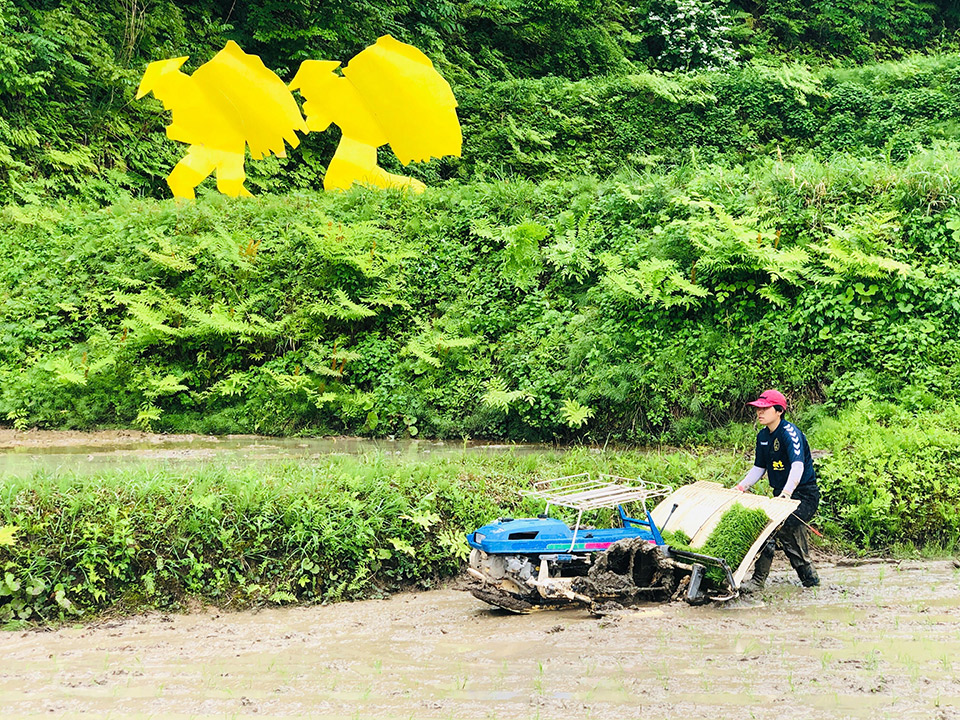
Farming at “The Rice Field” by Ilya and Emilia Kabakov
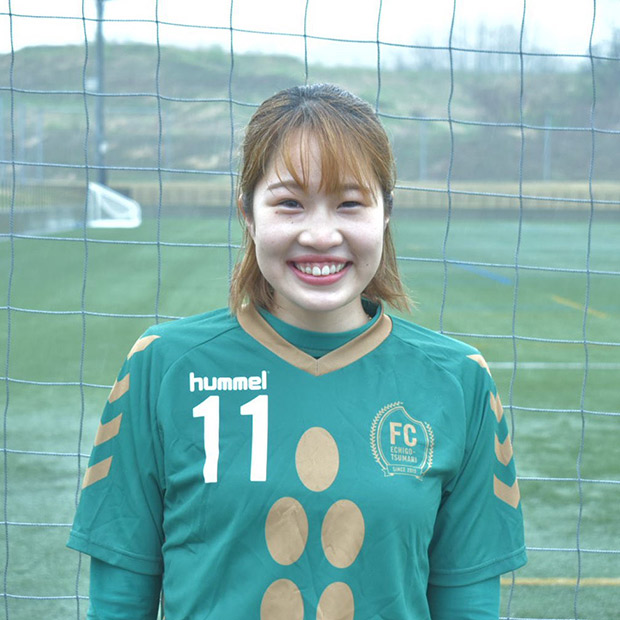
Profile
Mori Kisa
Tokyo
・Squad number:11
・Position: FW
・Year joined: 2020
The philosophy of the WE League already exists here in Echigo-Tsumari” (Motoi, GM & Head Coach)
— Could you tell us about your goals going forward?
Motoi: First, I want to build strong relationships of trust with the players and support them in reaching where they want to go. Of course, we want to win the scheduled matches, and to draw out each player’s strengths and potential to achieve better results.
Ishiwata: I want us to win the Hokushinetsu 2nd tier league. For Ōhira and others who have led the team, and for players sidelined by injury, we want to deliver results.
Mori: As a team, we aim to move up to a higher category. At the same time, I want us to find value here beyond football. If each of us develops our own strengths, we can become a team unlike any other.
— The “WE” in the WE League stands for Women’s Empowerment. Its philosophy, “To contribute, through women’s football, to a society that embraces diverse dreams and ways of living, and in which every individual can shine”, is compelling.
Motoi: Many teams are now moving towards that ideal, but I believe it already exists here. I had planned not to meet the players before officially accepting the role, but when I met these two in Echigo-Tsumari, I was deeply moved.
“FC Echigo-Tsumari has the potential to create innovation in the region” (Sakaguchi, Senior Director)
— Mr Sakaguchi, you are joining FC Echigo-Tsumari in the newly established role of Senior Director. What led to your involvement?
Sakaguchi: The direct trigger was being asked by Hara Mitsu, Secretary-General of the NPO, to help find a head coach. We have been friends since junior and senior high school, and I had been hearing about FC Echigo-Tsumari since its early days. I had always said, “It sounds interesting — you should absolutely do it. If there’s anything I can help with, just let me know.”
— You are a lawyer by profession. How have you been involved in sport?
Sakaguchi: I started playing baseball in primary school, quit in my second year of junior high, and then joined the karate club. After becoming a lawyer, I began thinking about what themes to pursue — which fields might grow in Japan, and where I could be genuinely useful. That led me to focus on agriculture, sport, and small local businesses. These may seem modest, but if properly supported, I believe they can form the foundation for happy lives even in regional cities in Japan. I have also established an agricultural corporation. Around the same time, I was asked to manage the independent professional baseball team Tokushima Indigo Socks, and became its president at the age of 37.
— Was that level of interest in regional communities unusual among people of your generation?
Sakaguchi: I was born and raised in Kanagawa. My mother is from Yokosuka, and my father from central Tokyo, so I didn’t have a countryside to return to. I remember envying friends who visited their grandparents in rural areas during the summer holidays. For me, the countryside was something I longed for — it sparkled. However, through my work in corporate law and business, I came to realise that the excessive concentration of people and resources in Tokyo was hollowing out regional Japan and had become a serious social issue. I began to feel that unless this was properly addressed, there would be no future for Japan. That realisation became my starting point.
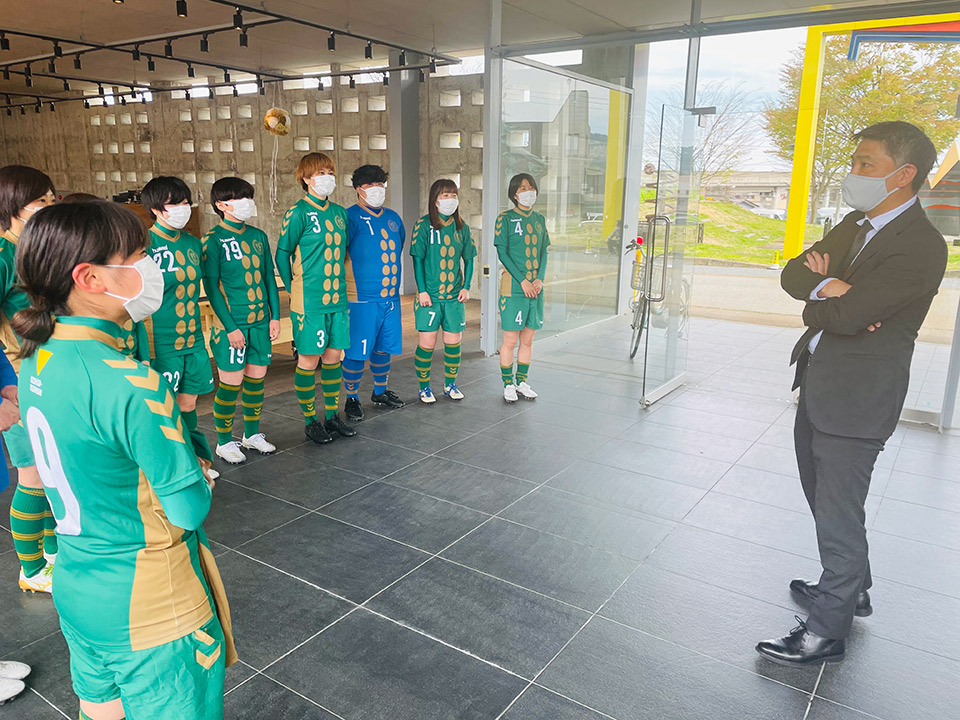
Sakaguchi with FC Echigo-Tsumari on the day before the opening match
— Tokushima is home to distinctive initiatives such as Kamiyama, known for its IT ventures, and Kamikatsu, famous for its leaf business.
Sakaguchi: To understand Tokushima, I travelled extensively around the prefecture. That was when I met Yokoishi Tomoji, who launched the leaf business in Kamikatsu. I was struck by the idea of turning leaves into a business, but what impressed me most was what he said: “All I did was give grandmothers and grandfathers a role, and show them that this is one way they can be connected to society.”
This was before the term “SDGs” existed, but it was a story of older women finding purpose in a sustainable way and revitalising their community together. Hearing this, I decided that with the baseball team, I wanted to contribute — even in a small way — to creating locally rooted, right-sized businesses where people’s hearts are truly connected, spread across Japan. Rather than focusing attention solely on players’ performances, I felt it was more important to go out into the community and engage in activities beyond the playing field — initiatives that would be featured not only on sports pages, but also in local and business sections of newspapers.
Athletes are incredibly pure and sensitive. They won’t do something unless they truly understand it. Our team carried out around 300 community activities a year — such as rice harvesting and visits to welfare facilities — alongside roughly 80 baseball games. At first, the players complained, but once they understood the purpose, they began to take initiative themselves. Creating that kind of environment is the role of the front office.

— In professional sport today, financial value — such as salaries — often becomes the primary benchmark.
Sakaguchi: Independent teams initially aspired to follow the same model as the Central and Pacific Leagues, but competing on those terms is unrealistic. They need to create and sustain themselves through entirely different forms of value. One background factor behind the emergence of independent leagues was the decline of the old model in which a single company could sponsor an entire team — a system that only worked during periods of continuous economic growth. At the same time, observing professional baseball, the J.League developed a management style rooted in close relationships with local communities. There is no doubt that the establishment of independent leagues was influenced by the J.League’s approach.
— What are your thoughts on becoming involved in women’s football?
Sakaguchi: I grew up in a female-centred family, where caring for and respecting women was a given, so I like to think my “women’s awareness” is fairly high (laughs). That said, both the legal profession and the sports world are still full of gender-based challenges. I have also seen many women overcome those barriers and demonstrate abilities equal to — or exceeding — those of men. The power that women possess is immense. Baseball, meanwhile, is a sport with a strong individual element, whereas football is an organisational sport played by a collective of eleven. I am deeply interested in what kind of landscape players see from within that collective experience.
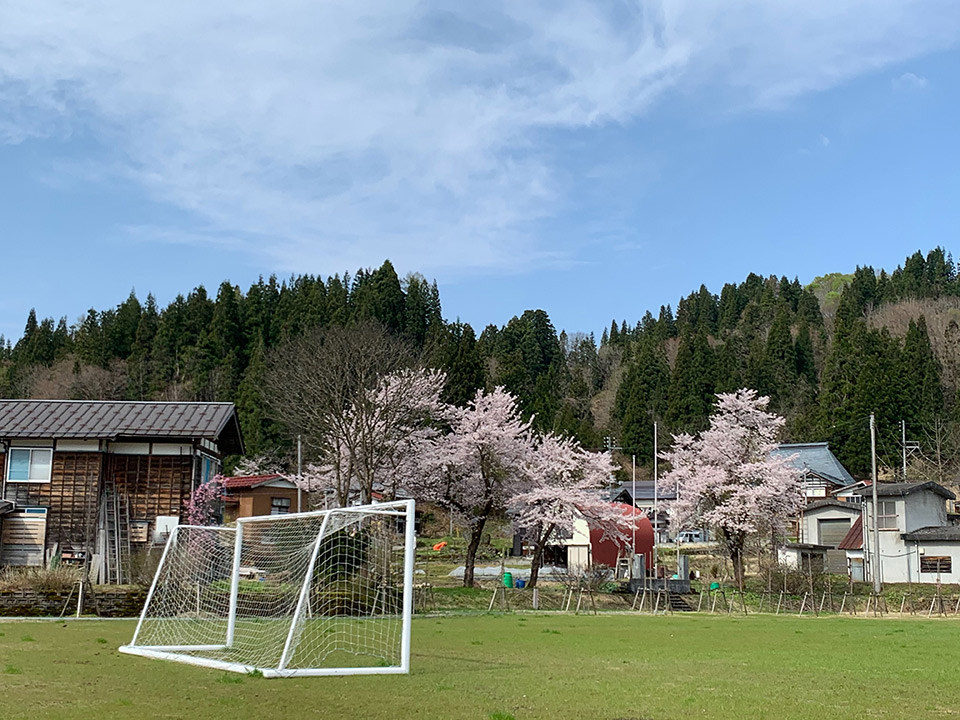
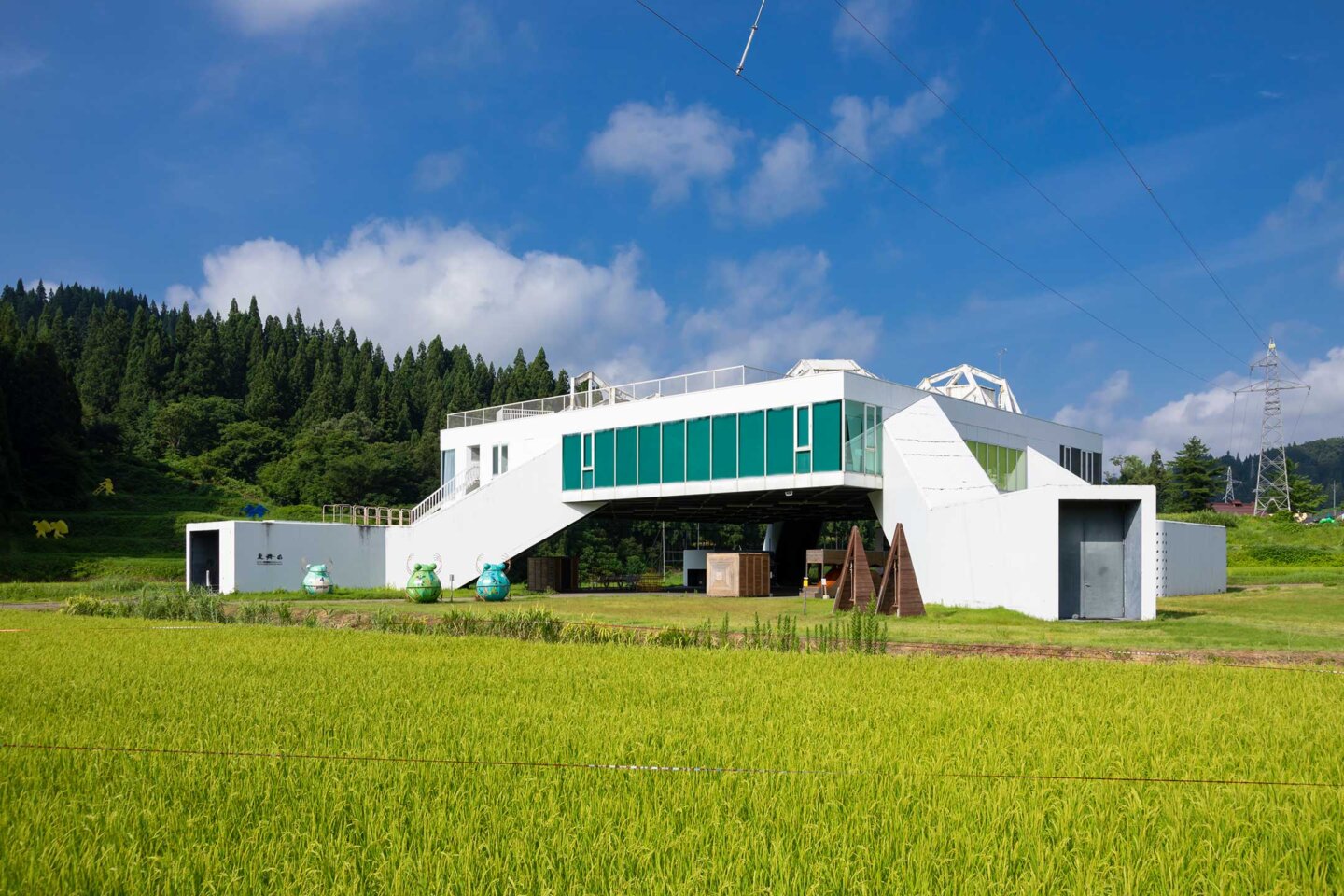
FC Echigo-Tsumari’s base facility, Nunagawa Campus
— What were your impressions after travelling around Echigo-Tsumari?
Sakaguchi: I found it truly wonderful — and felt that a strong foundation is already in place. You can sense, very clearly, how local people and art have built trust together over the past twenty years. I can only imagine the effort it has taken to reach this point. The artworks and architecture go beyond beauty alone — they feel alive, as though blood is flowing through them.
— Finally, could you tell us about your goals going forward?
Sakaguchi: FC Echigo-Tsumari has the potential to make innovation happen in the region. Through football, I want us to explore new ways of relating to society, and to propose new ways of creating value locally. I want to create an environment in which each player can discover an entirely new form of happiness together with the people of the region. The players are not coming here simply to play football; they are also seeking their own ways of living well. I want to see what lies beyond football — the landscape that comes after it. Perhaps I should say, “We’re aiming for the WE League” (laughs), but more than anything, I want us to build momentum together.
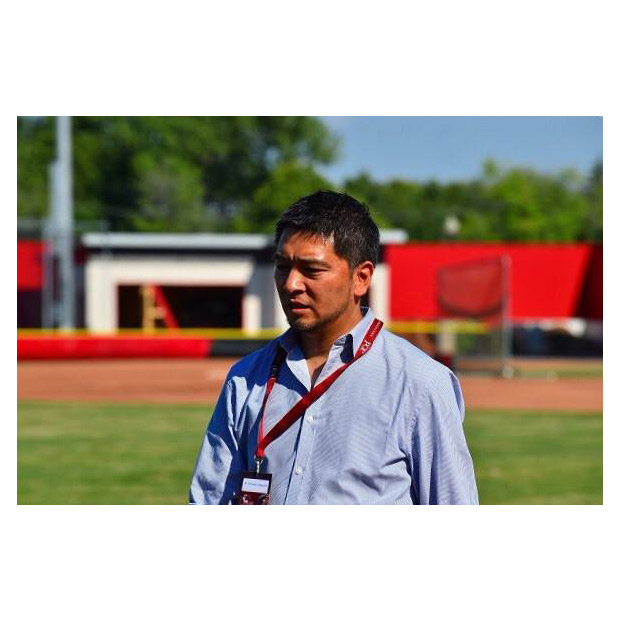
Profile
Sakaguchi Hiroaki, Senior Director
Kanagawa Prefecture
Graduated from the Faculty of Law, the University of Tokyo. Lawyer specialising in corporate legal affairs, including business restructuring and M&A. In February 2011, he became representative of the independent professional baseball team Tokushima Indigo Socks (Shikoku Island League Plus). After serving as Secretary-General of the league from January 2016, he went on to hold positions including Chair, President and Chairman. After stepping down as Chairman in March 2020, he was appointed COO of GATHER Co., Ltd. (current), and Executive Advisor to Hisamitsu Springs (V1 Women, current). Other roles include member of the Tokushima Prefectural Board of Education (2013–2017) and Visiting Professor at Tokushima University (current). Appointed Senior Director of FC Echigo-Tsumari in April 2021.

Articles


Latest Articles




Stay connected with the ETAT official social media to receive the latest news and event information, and the many seasonal faces of Echigo-Tsumari as well as new issue of the ETAT official media, “Art from the Land”.